North America
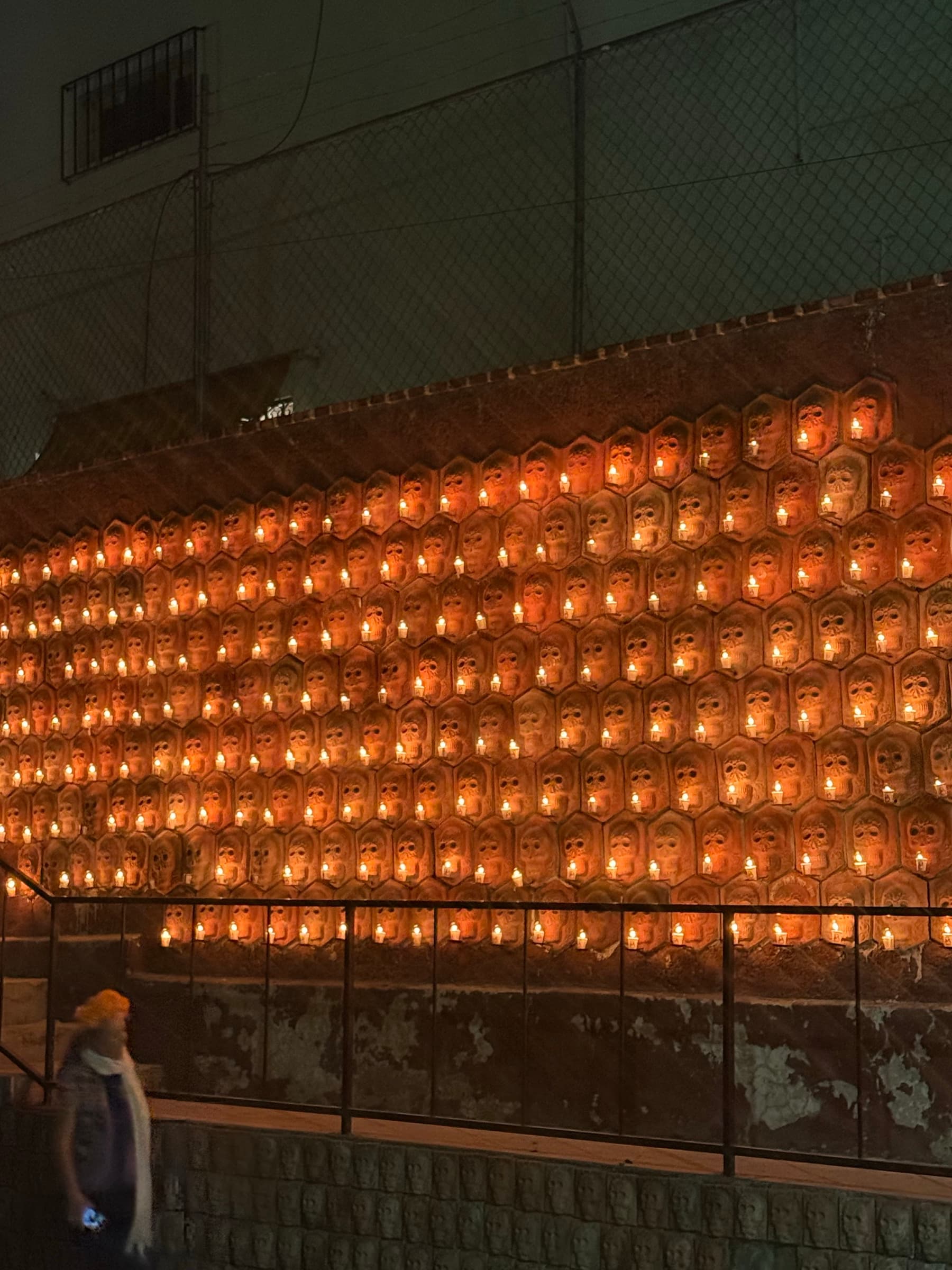
Tlaquepaque is a Pueblo Mágico folded into the Guadalajara metro area in Jalisco — a historic pottery and handicraft town of pedestrian streets, leafy courtyards, and a cantina culture that runs deep. It is also where I learned that Mexico's most famous holiday has a quieter face. The Día de los Muertos spectacle most people picture — the painted-skull crowds, the full-scale pageantry — belongs to Oaxaca and Mexico City. Guadalajara and Tlaquepaque do the same dates differently: more familial than theatrical, built around home altars and neighborhood gatherings rather than a show staged for visitors. I came expecting a party and found something far more intimate, and that is exactly why it stuck.
Things to Do
Tlaquepaque earns its Pueblo Mágico designation the moment you step onto Calle Independencia, the pedestrian spine lined with the ceramics workshops, galleries, and handicraft trade the town has been known for since long before tourism found it. Spend a morning working through the artisan shops and the Centro Cultural El Refugio, then sit in the Jardín Hidalgo and let the town move at its own pace.
The social heart of it all is El Parián, billed as the world's largest cantina — a block of roughly eighteen restaurant-bars wrapped around a central kiosk where mariachis play. It began as a market in 1878 and became a cantina in 1905. Know its recent history before you go: part of the structure collapsed in September 2024 and was reopening in stages when I visited that November, with restoration still underway — so expect a working space mid-repair, not a polished one. It was packed and loud regardless, mariachi and tequila and families crowded around the tables, which is rather the point of the place.
Best Time to Visit
Late October into the first days of November, for Día de los Muertos, is the time to come — but set your expectations correctly. The version of the holiday that fills travel feeds belongs to Oaxaca and Mexico City. Guadalajara and Tlaquepaque do it quieter and more familial, built around family altars and neighborhood gatherings rather than a spectacle arranged for outsiders. The big parade runs through Guadalajara proper, stretching across the city, and Tlaquepaque sits inside that metro area as the more intimate end of it. We had our faces painted in town and were waved in by locals nearby with a warmth that felt genuinely communal, not performed. I had half-expected an Oktoberfest-style party and instead got something far more personal — and that surprise is the strongest reason I'd point anyone toward this corner of Mexico for the holiday.
Outside of Día de los Muertos, the dry season from roughly November to May is the most comfortable stretch, with warm days and cooler evenings at Guadalajara's elevation. The summer months bring reliable afternoon thunderstorms.
Where to Stay
Where you base yourself decides which version of the trip you get. Stay in Centro Tlaquepaque, within walking distance of the Jardín Hidalgo and El Parián, for the quiet artisan-town experience and slow mornings among the galleries. Base yourself in central Guadalajara instead if you want to be nearer the Día de los Muertos parade route and the bigger-city nightlife, then taxi over to Tlaquepaque for the day.
Budget: La Villa del Ensueño, a restored villa with two courtyard pools and a hot breakfast, walkable to the Centro and one of the best-value stays in town.
Mid-range: Quinta Don José Boutique Hotel, in the heart of Centro Tlaquepaque steps from Independencia Avenue, with an outdoor pool and its own Italian restaurant.
Luxury: Casa Morales Hotel Boutique, the town's top boutique stay rather than a grand resort — an intimately restored guesthouse in the center with a garden, terrace, and the kind of personal service that earns near-perfect reviews.
These are affiliate links — booking through them supports Viator Modus at no extra cost to you. Same room, same price, it just helps keep the guides coming.
Getting Around
Fly into Guadalajara International Airport (GDL), the main gateway for all of Jalisco. Tlaquepaque sits inside the Guadalajara metro area, so the simplest approach is to treat the whole city as your base: rideshare and taxis are plentiful and inexpensive, and they are how most visitors move between Tlaquepaque, central Guadalajara, and the day trips out to tequila country and Lake Chapala. Once you are in Centro Tlaquepaque, everything worth seeing is walkable — the historic core is compact and built for it.
Hidden Gems
The two best days I had near Tlaquepaque were both trips out of the city. The first is tequila country — the Valle de Tequila, around the towns of Tequila and Amatitán, where the agave fields run to the horizon. In Amatitán, make for Cantaritos El Güero, which started as a roadside stand and now does essentially one thing better than anyone: the cantarito, a mix of tequila, citrus, grapefruit soda, and salt served in unglazed clay pots. They scale it all the way up to roughly twenty-liter pots for a group, and the raw clay keeps the drink cold and lends it a faint earthy taste you will not get from glass. When you have drained it, smash the empty pot — our taxi driver insisted it was for good luck, and who argues with that.
The second is Ajijic, a town on the north shore of Lake Chapala that has drawn a large American and Canadian expat community. A walkable malecón, color-washed streets, and the lakefront make for an easy, slow afternoon away from the city.