Caribbean
Negril sits on the westernmost tip of Jamaica, which means it gets the last light in the country every single night. That alone would make it worth the trip. Add a long, flat run of white sand that is routinely ranked among the best beaches in the Caribbean, and the loose, easy atmosphere that makes Jamaica feel like Jamaica, and in my opinion you are looking at one of the best beaches in the world. I have been twice: once in 2023, and again on New Year's Day 2026, just weeks after the strongest hurricane in the island's recorded history came ashore a few miles from town. Both trips told me something about this place.
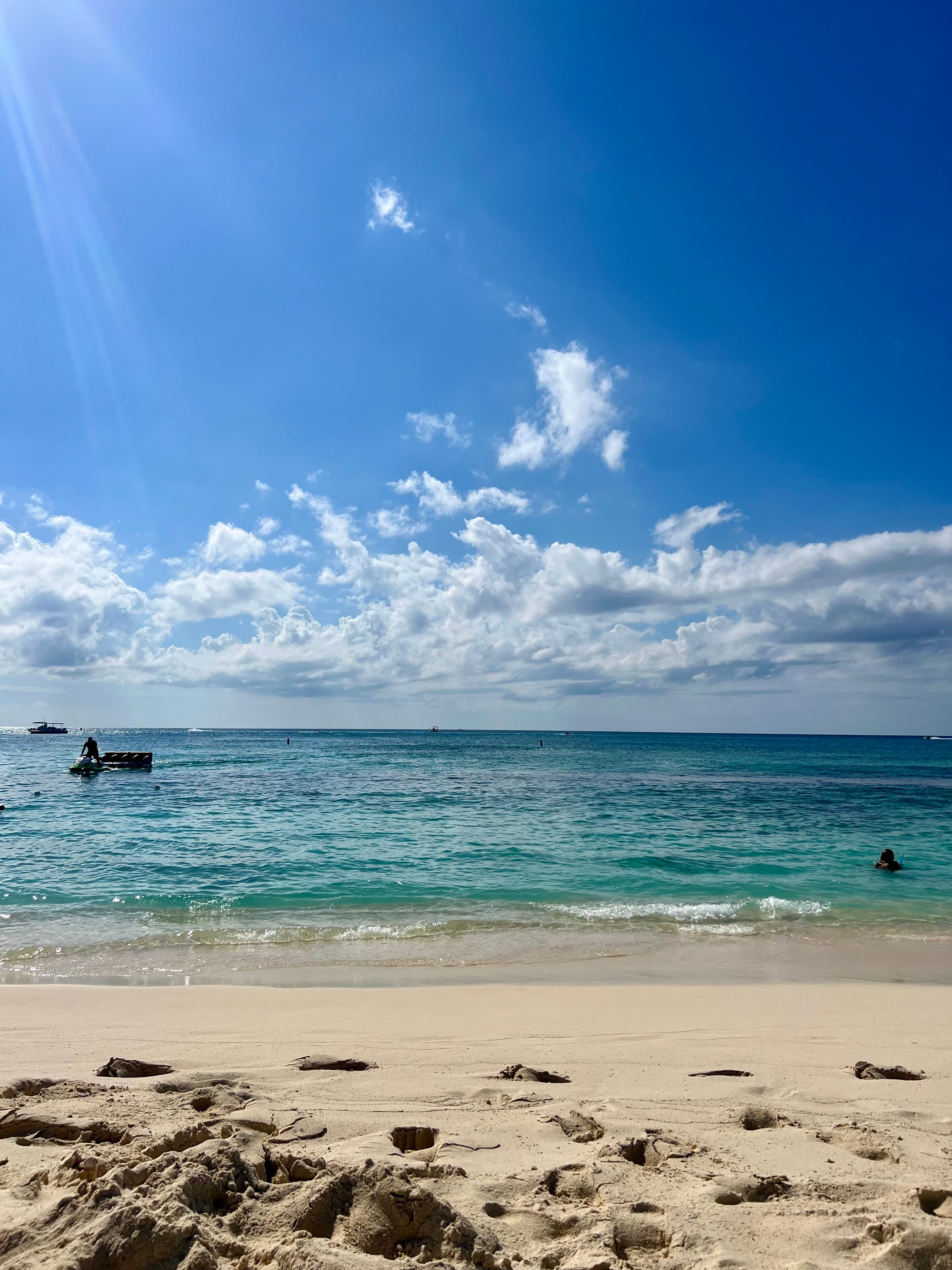
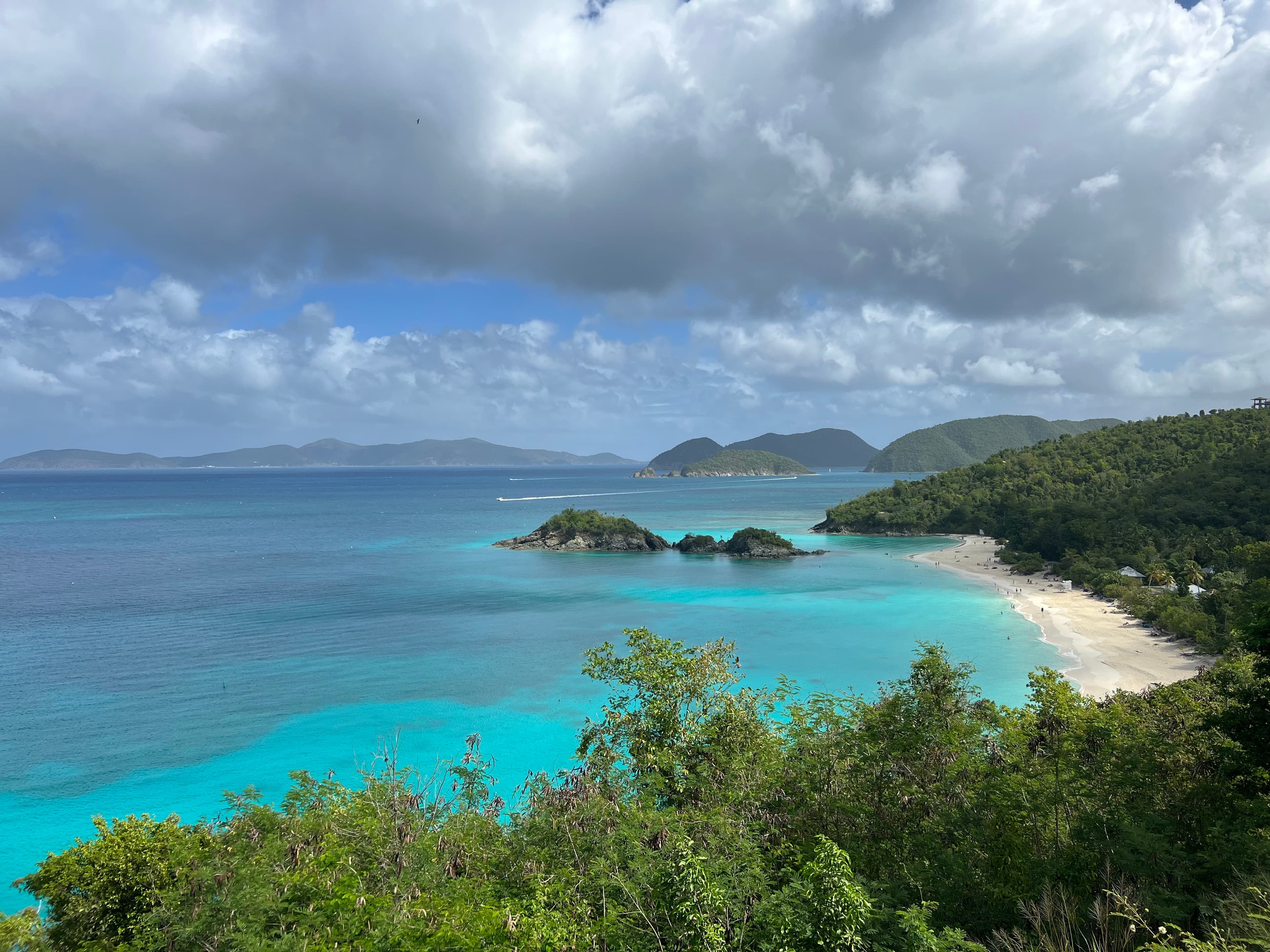
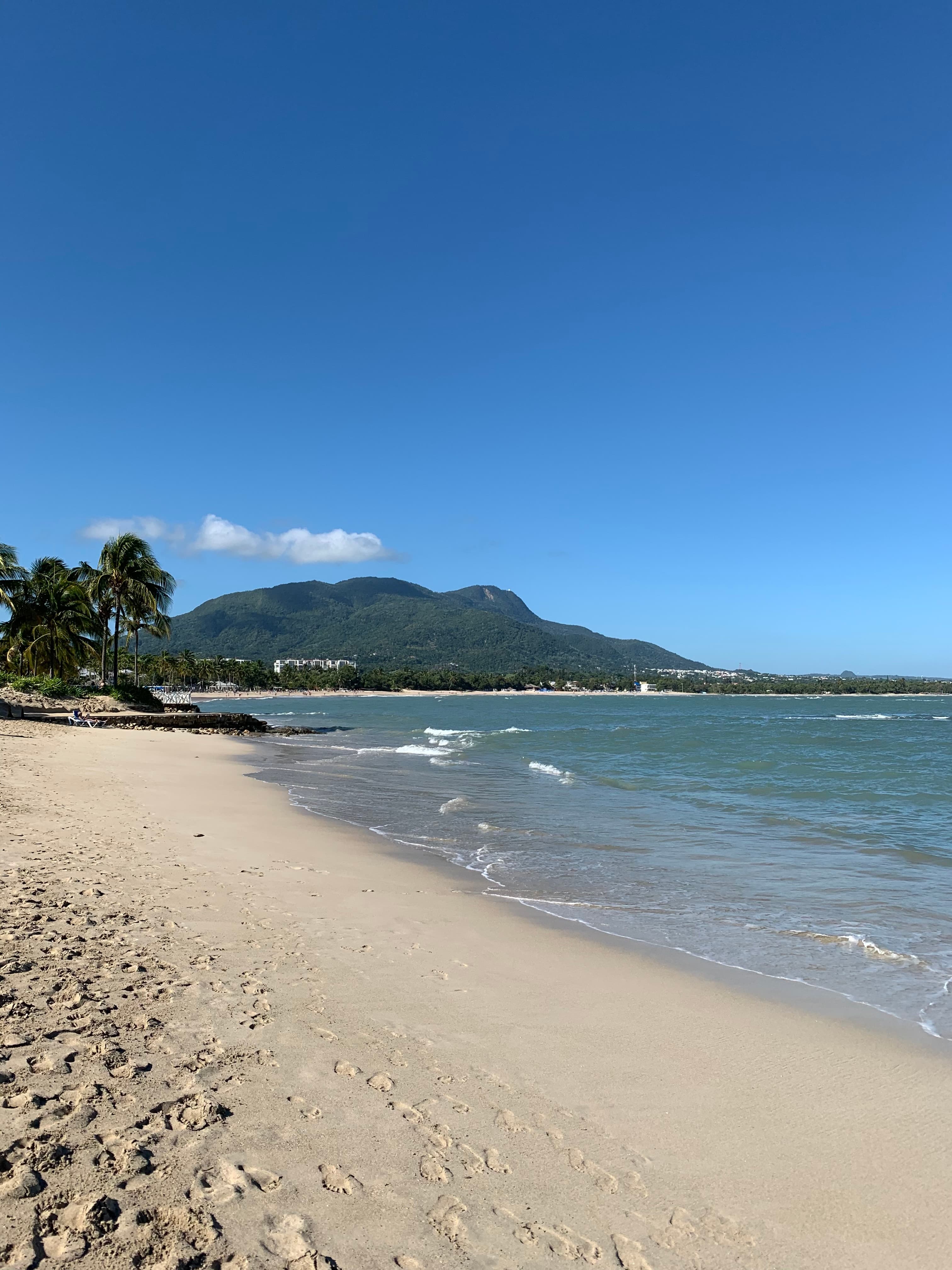
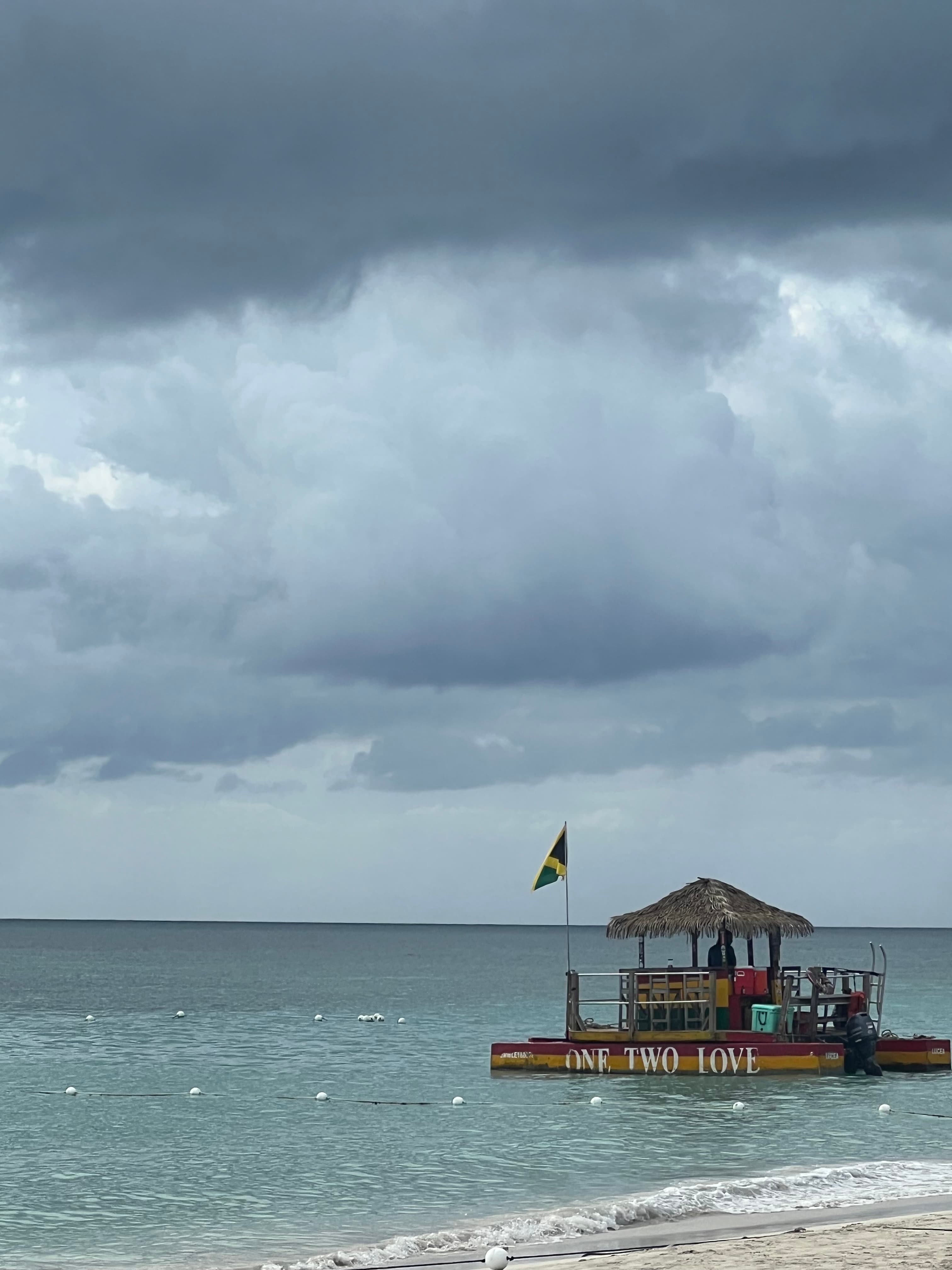
Negril, from the West End cliffs to Seven Mile Beach at sunset, captured on my trips.
Getting There
Negril has no major airport of its own, so you fly into Montego Bay and its Sangster International Airport, then make the drive west. It runs about an hour and fifteen minutes along the coast to reach town. Do not rush it. This stretch of road is your first real look at Jamaica's west coast, and it sets the pace for everything Negril is about.
Seven Mile Beach and a Village That Stayed Loose
Locals call it Seven Mile Beach, though the continuous soft-sand stretch runs closer to four miles. Either way, it is a long, flat, uninterrupted run of sand, which is exactly what makes it special. There are no rocky breaks, no jarring resort walls cutting it into pieces, just beach.
It was not always a resort town. The name comes from the Spanish Negrillo, meaning "little black ones," a reference to either the dark cliffs on the West End or the black eels once common in the water. For centuries Negril was a quiet fishing village and, before that, an isolated hideout for pirates, cut off by surrounding mangroves and swamp. Then in the late 1960s and 1970s, hippies and backpackers found it, and their laid-back, do-nothing ethos never left. A longstanding local rule even kept buildings from rising above the palm trees, which is a big part of why the beach still feels low-slung and unhurried instead of walled in by towers.
Where to Stay
Stay on Seven Mile Beach itself, and put CoCo La Palm at the top of your list. It sits directly on the sand in the heart of the beach strip, which is exactly where you want to be: you walk out your door and onto one of the best beaches in the world, with the bars, food, and sunset all within reach.
These are affiliate links — booking through them supports Viator Modus at no extra cost to you. Same room, same price, it just helps keep the guides coming.
The West End Cliffs, Rick's Cafe, and the Lighthouse
The other side of Negril could not be more different from the beach. Follow the coast southwest and the sand gives way to dramatic black limestone cliffs, and this is where you come for sunset. The anchor is Rick's Cafe, opened in 1974 by an American named Richard Hershman and the very first public bar on the West End cliffs. It made its name on two things: the sunset, and the cliff diving. Visitors leap from platforms up to about 35 feet, while local daredevils climb the trees above them and go higher. Rick's has also been destroyed twice, by Hurricane Gilbert in 1988 and Hurricane Ivan in 2004, and rebuilt bigger both times. Remember that.
Keep going to the actual western tip and you reach the Negril Lighthouse, built in 1894 to mark the westernmost point of Jamaica. It stands about 66 feet tall and sits on a water-filled tank engineered to keep it steady through earthquakes, a clever bit of Victorian engineering most visitors never bother to walk out and see.
Where to Eat and Drink
This is my firsthand shortlist. For a sunset dinner, book Rockhouse restaurant on the West End, and ask for the table that sits alone out on the cliff, the one with nothing around it. It is the best seat in Negril. For cocktails, Pushcart. For dinner on another night, Ivan's. When you want music and the full Negril mood, Roots Reggae Bar and Tiki Pon Da Sea deliver it, and Rick's is worth doing once for the spectacle even if you eat better elsewhere.
Negril After Melissa
On October 28, 2025, Hurricane Melissa made landfall in Westmoreland Parish, the same parish Negril sits in, as a Category 5 storm with sustained winds near 185 mph. It was the strongest hurricane ever recorded to strike Jamaica. Roughly 120,000 buildings across the island lost their roofs and most of Jamaica lost power.
I arrived on New Year's Day 2026, just over two months later, and the marks were everywhere. Some areas still did not have consistent power. Roofs were still being nailed back on. You could not miss it. But here is the thing I kept coming back to: this is a place that rebuilds. Rick's Cafe alone has been leveled by hurricanes twice and come back both times, and the town around it has done the same for decades. Negril was still Negril, still pouring drinks and catching the last light in the country every evening. If you are deciding whether to go, go. Tourism is how this coast pays for its own recovery, and the people rebuilding those roofs are the same ones who will pour you a Red Stripe at sunset.
Two trips, one before the storm and one after, and Negril earned my vote for one of the best beaches on Earth both times. Save this before you book, fly into Montego Bay, and follow along for the firsthand version of the rest of the Caribbean.