Central Asia
Tashkent is Central Asia's largest city and one of its most underrated, a sprawling Soviet-era capital that's quietly modernizing while holding onto a culture shaped by the Silk Road, Persian influence, and decades of Soviet urban planning. Fun fact that I work with the government of Uzbekistan's IT Park to help grow Uzbekistan's technology ecosystem (side note - if you're interested in getting involved and looking for tech talent, happy to share more about how Uzbekistan can help). It's often skipped in favor of Samarkand, but that's exactly what makes it worth your time. Tashkent is one of the fastest-growing destinations in the world right now, and almost nobody in the West has noticed. Between 2019 and 2025, international arrivals to Uzbekistan grew 73%, placing it among only seven countries globally ranked by UN Tourism among the fastest-growing destinations. The government has been on a relentless visa liberalization push: as of 2025, citizens of 90 countries can enter Uzbekistan visa-free, including Americans aged 55 and over.
Things to Do
Start at the Chorsu Bazaar, one of the oldest and most atmospheric markets in Central Asia, a genuine working bazaar where locals shop for spices, dried fruits, bread, and livestock under a distinctive blue-tiled dome. The Khast Imam complex houses rare Islamic manuscripts including a 7th-century Quran, and the surrounding religious quarter is one of the most historically significant in the region. For Soviet architecture enthusiasts, the Tashkent Metro is a must, each station is a palatial work of Soviet-era art, mosaics, and chandeliers. The Independence Square and surrounding government district gives a clear picture of modern Uzbekistan's national identity.
Khast Imam Complex (Hazrat Imam)
The spiritual center of Tashkent has been on this site for over a thousand years. The complex takes its name from Abu Bakr Muhammad Kaffal al-Shashi, a 10th-century scholar born in the city when it was still called Shash: a busy trading node on the Silk Road where goods from China, Persia, and the Arab world changed hands daily.
The main draw is the Muyi Mubarak Library, which houses the Uthman Quran, also known as the Samarkand Kufic Quran. It is one of the oldest surviving Quran manuscripts in the world. Traditional Islamic belief holds that it was the personal copy of the third Caliph, Uthman ibn Affan, who was assassinated while reading from it in 656 AD. Modern scholarly analysis has dated the manuscript to the 8th or 9th century, but the physical object remains extraordinary: 250 surviving pages written on deerskin in early Hejazi script, predating almost any other Quranic text on Earth. UNESCO included it in the Memory of the World register in 1997. Almost no Western traveler has seen it.
Chorsu Bazaar
Tashkent's largest market is one of the few bazaars in Central Asia that still functions primarily as a working local market rather than a tourist attraction. The central blue-tiled dome is the landmark, but it's the alleys radiating out from it that matter. That's where you find the shashlik stalls, the samsa baked fresh from clay tandoor ovens, and the dried fruit and spice vendors who have been at the same stall for decades. Go hungry. A full lunch here, samsa, lagman noodles, and tea, runs under $3.
Amir Timur Square and the Soviet Modernist Walk
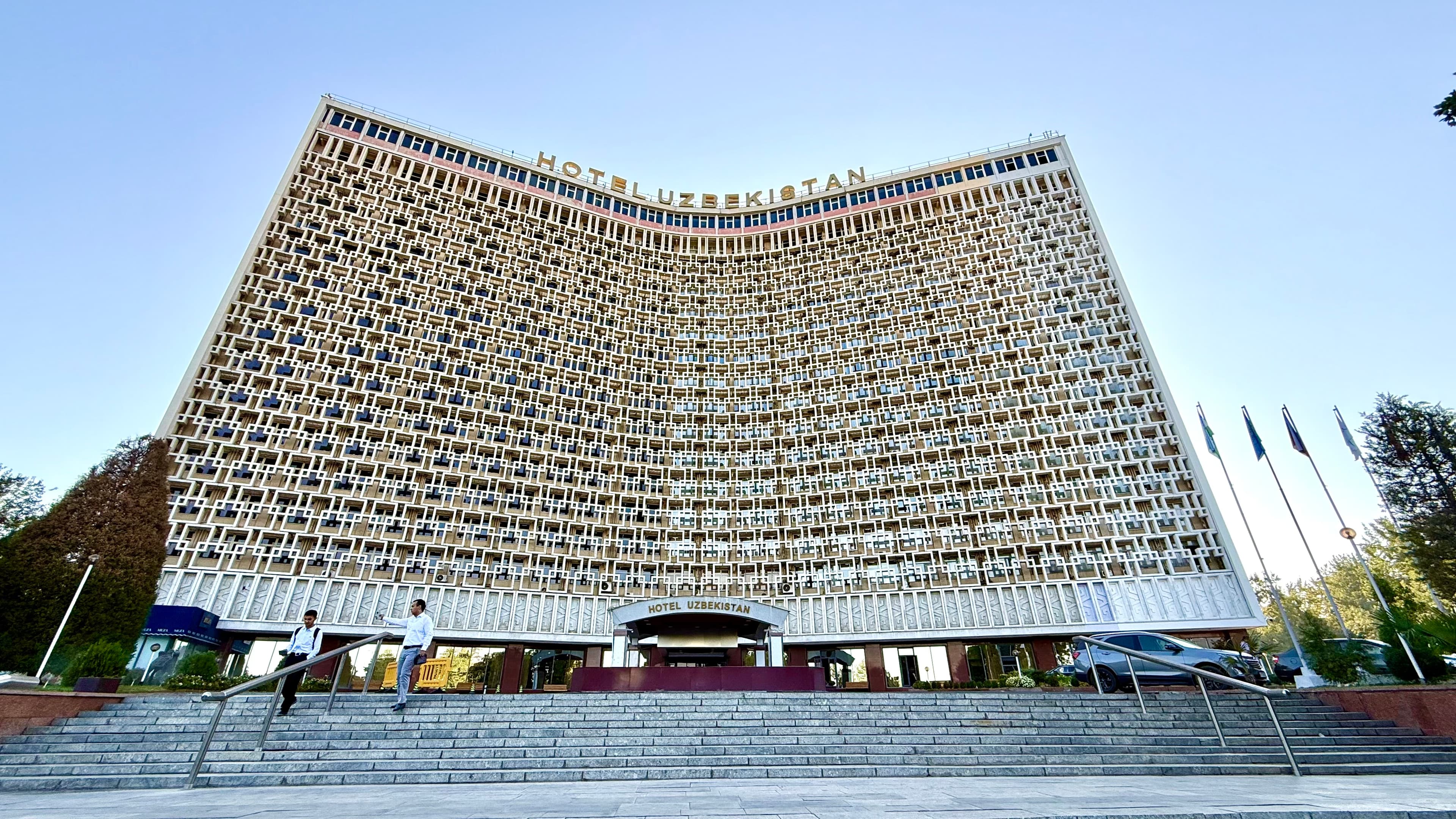
The square named after Tamerlane (Timur) is Tashkent's civic center, and the surrounding blocks are the best place to understand what the 1966 reconstruction actually built. The Hotel Uzbekistan, a brutalist concrete tower that somehow reads as elegant, anchors one corner. Within a 15-minute walk you'll pass monuments, fountains, and public buildings that collectively make Tashkent one of the most underappreciated cities in the world for Soviet modernist architecture. The combination of scale, preservation, and almost zero tourist crowds makes it genuinely singular.
What to Eat in Tashkent
Uzbek cuisine is Central Asian in structure: slow-cooked, lamb-heavy, built around communal tables and cast-iron kazan pots. But it carries unmistakable Persian, Arab, and Russian influences layered in over centuries of Silk Road traffic. In Tashkent, you can eat extraordinarily well for almost nothing.
Plov (osh) — The national dish. Rice slow-cooked in lamb fat with julienned yellow carrots, whole garlic cloves, and braised mutton. Tashkent has dedicated plov centers (osh markazi) that open early and are often sold out by 1pm. The version here is cumin-forward with a slightly crunchier base than Samarkand's. Go at 11am before it's gone.
Samsa — Flaky lamb-and-onion pastries baked in a clay tandoor. The best ones come out with charred blisters on the base and a broth-soaked interior. Street stalls sell them for a few thousand som, well under a dollar.
Shashlik — Lamb ribs or minced kofta grilled over saxaul wood. The smoke is the point. The charred edges are the point. Order the ribs.
Lagman — Hand-pulled noodles in a lamb and pepper broth. The dish traveled the Silk Road from China and settled here permanently. The hand-pulled version is called chuzma lagman; it's the one worth asking for by name.
Restaurants outside the tourist center charge the equivalent of $4 to $6 per person for a full meal with drinks. Even mid-range local restaurants rarely break $10 per person. Tashkent runs roughly 60% cheaper than the US across food, accommodation, and transport.
Day Trips from Tashkent
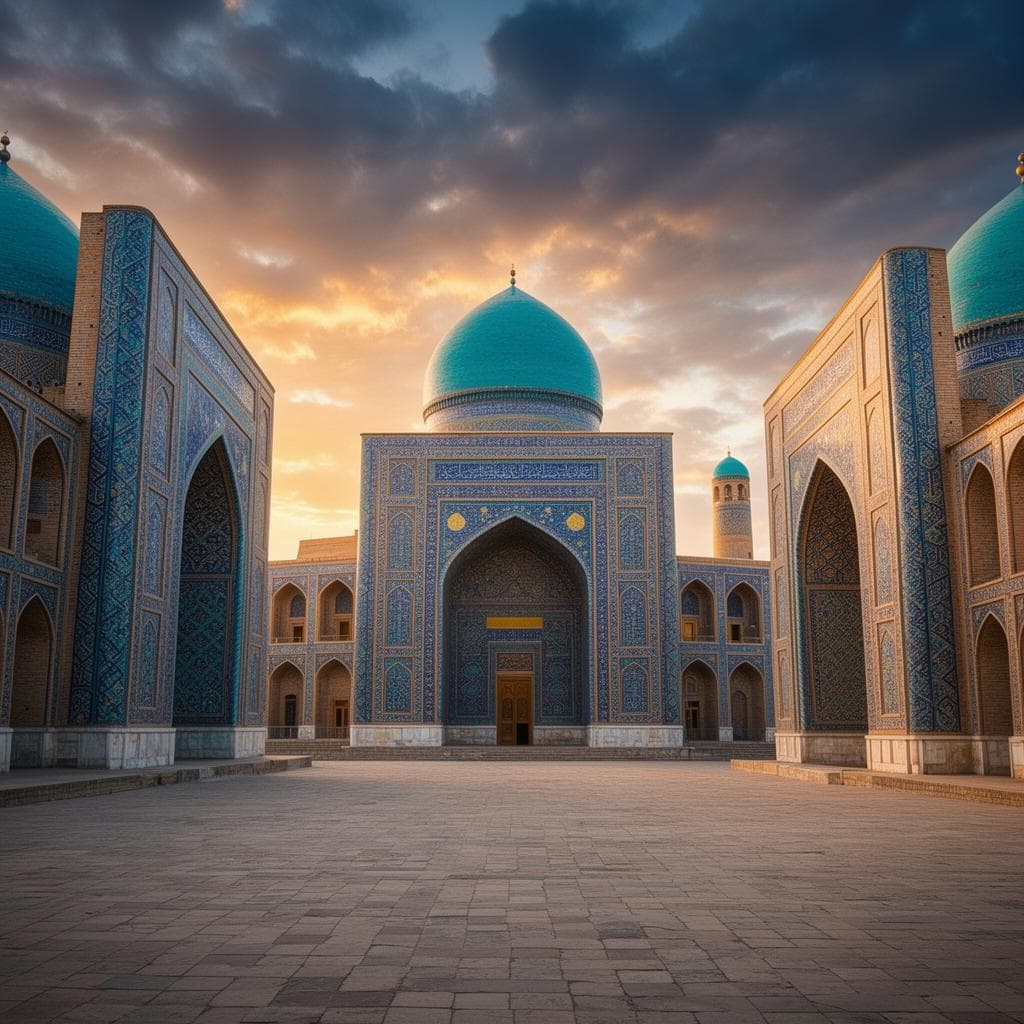
Samarkand — Samarkand is the most significant day trip available from any city in Central Asia. The Afrosiyob high-speed train connects Tashkent to Samarkand in approximately 2 hours, reaching speeds above 200 km/h. Samarkand's Registan Square, three facing madrasas arranged around a single courtyard, is arguably the most spectacular ensemble of Islamic architecture in the world. Day trips are common and feasible; book Afrosiyob tickets at tickets.railway.uz in advance, as they sell out during peak season.
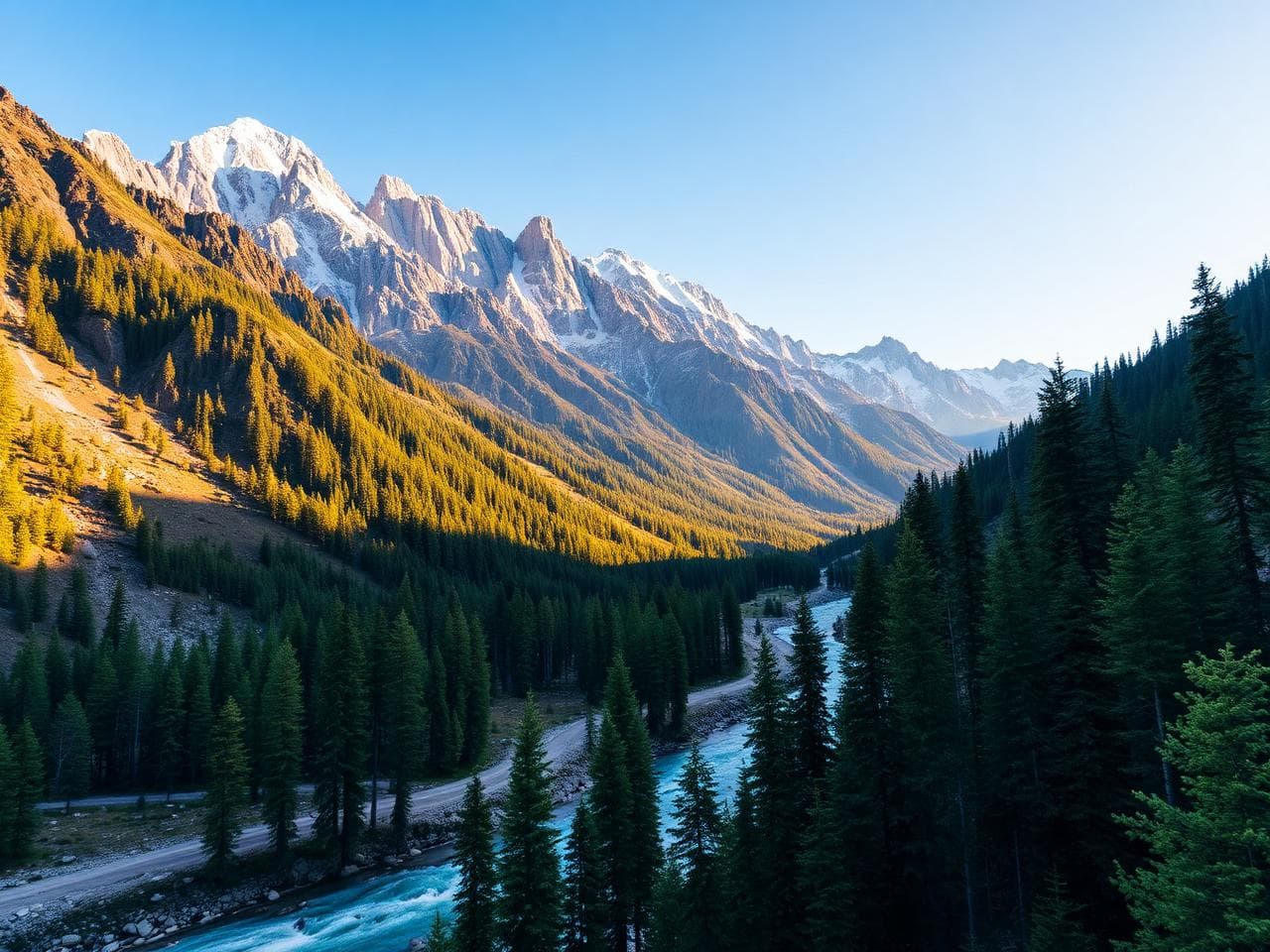
Charvak Lake — Located 80 km northeast of Tashkent, Charvak is a Soviet-era reservoir backed by peaks of the Tian Shan mountains. It is popular with locals for swimming and water sports in summer and makes for a straightforward half-day out of the city.
Recommended Experience
City Park
Do not miss City Park, an ultra-modern entertainment and leisure complex that feels like the Dubai of Central Asia. With its sleek architecture, fountains, green spaces, and contemporary attractions, it is a striking contrast to Tashkent's Soviet-era city center and a glimpse into where the city is heading.
Recommended Experiences
A full day in the western Tian Shan mountains, with stops at Amirsoy (Uzbekistan's largest ski resort), a chairlift ride up into the Chimgan Mountains, and swimming or boating on Charvak Lake. Hotel pickup and an English-speaking guide are included.
A three-hour small-group walk through Tashkent's essentials: the Khast Imam complex (home to one of the world's oldest Qurans), the sprawling Chorsu Bazaar, the ornate metro stations, and Amir Temur Square.
Best Time to Visit
Spring (April–May) and autumn (September–October) are the sweet spots, temperatures are comfortable and the bazaars and parks are at their most vibrant. Summer in Tashkent is brutally hot, regularly exceeding 40°C (104°F), so plan accordingly if visiting in July or August. Winter is cold but manageable, and the city is far less touristy, good for independent travelers who don't mind the chill.
Where to Stay
The city center near Amir Temur Square puts you close to the metro, major sights, and the best restaurants. Tashkent has a growing range of boutique guesthouses and renovated Soviet-era hotels, both offer a distinctly different experience. The boutique options in the older residential neighborhoods give a more authentic feel than the large international hotels near the business district.
Personally, I'm a fan of Hotel Uzbekistan.
Budget: Topchan Hostel, long-running traveller hostel in a quiet residential street, with a shaded courtyard for evenings.
Mid-range: Hotel Uzbekistan, iconic Soviet modernist landmark on Amir Timur Square, dated rooms but unmatched location and history.
Luxury: Hyatt Regency Tashkent, the city's leading five-star, with the most reliable spa and pool in town.
These are affiliate links — booking through them supports Viator Modus at no extra cost to you. Same room, same price, it just helps keep the guides coming.
Getting Around
What Does Tashkent Actually Cost?
Tashkent is one of the best-value cities in Asia right now. Budget travelers can cover a hostel bed, three meals, the metro, and entry fees to everything for $30 to $40 per day. A comfortable mid-range trip, with a private room, sit-down restaurants, and the occasional taxi, runs around $50 to $70 per day. Hotels average about 56% cheaper than equivalent accommodation in the US.
For context: a metro fare is around $0.15. A samsa from a street vendor is under $0.30. A full sit-down lunch at a local restaurant is $3 to $5. A meal at a good mid-range restaurant is $8 to $12. The one entry fee worth flagging: the History of Uzbekistan Museum charges around 60,000 som (approximately $5) for foreign visitors, and is worth a visit once it has completed its renovation.
Hidden Gems
The State Museum of History of Uzbekistan houses an extraordinary collection of Silk Road artifacts that most visitors walk past on their way to Samarkand. The Alisher Navoi Opera House, a Stalin-era architectural showpiece, runs surprisingly world-class performances at a fraction of what you'd pay in Europe. And the backstreet mahallas (traditional neighborhood quarters) in the older parts of the city, away from the wide Soviet boulevards, offer a glimpse of a quieter, older Tashkent that's rapidly disappearing.