Europe
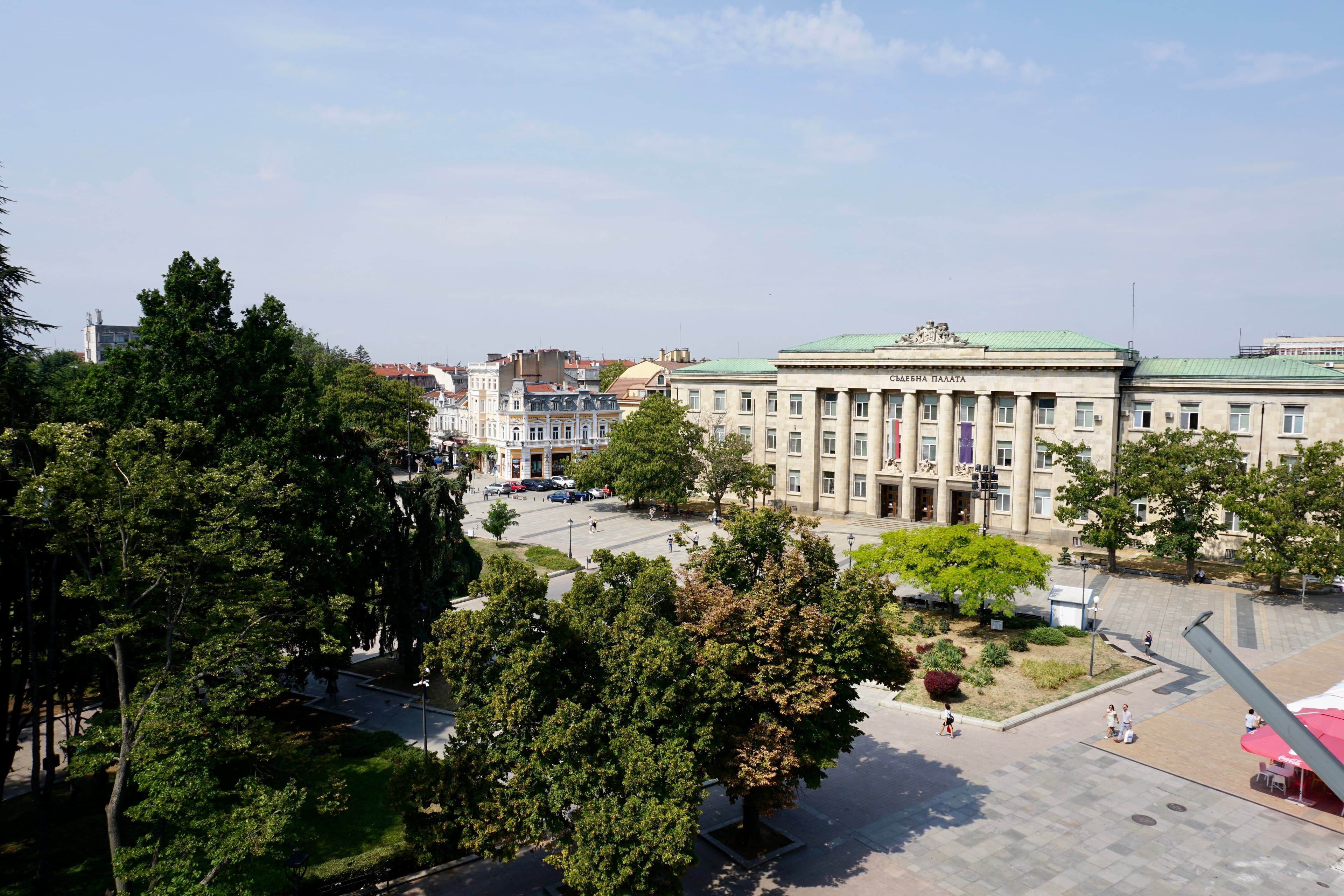
I crossed into Ruse on a bus from Bucharest, back before Bulgaria and Romania joined the EU, when the Danube was still a real border with a crossing to clear. I arrived at 5am, and my first impression was grim: a grey city with nothing open yet. Then the sun came up. Watching the first light climb the neo-baroque facades of the old center, I understood the nickname. This is the city Bulgarians call Little Vienna, and one walk through its heart makes it feel earned. Ruse sits on the south bank of the Danube where Bulgaria meets Romania, a city of grand facades, leafy boulevards, and a 19th-century European elegance you do not expect in this corner of the Balkans. For a stretch of that century it was the most modern and most cosmopolitan city in the country, and the architecture along Svoboda Square and Alexandrovska Street still carries that confidence. Most travelers skip it. That is their loss.
Ruse, the Danube's Little Vienna, from Svoboda Square to the riverside monuments, captured on my trip.
A City of Firsts
Ruse has always punched above its size. In the 1860s it was the capital of the Ottoman Danube Province, a territory roughly the size of modern Bulgaria, which made it the region's administrative and commercial center. That status left its mark. Ruse built Bulgaria's first railway, the line to Varna completed in 1866, and it was where the country's first modern industrial companies were founded. By the late 19th century the city hosted 11 foreign consulates, and the European architects those diplomats and merchants brought in are the reason the center still looks the way it does. Its most famous son is Elias Canetti, born here in 1905, who won the 1981 Nobel Prize in Literature and remains the only Nobel laureate ever born in Bulgaria. He wrote that everything he experienced afterward had already happened to him in Ruse. His birthplace still stands at 13 General Gurko Street.
Things to Do
Wander Svoboda Square (Liberty Square) and admire the Monument of Liberty along with the surrounding neo-baroque ensemble. Walk Alexandrovska Street, the pedestrian spine lined with cafes and 19th-century facades. Visit the Regional Historical Museum and the House-Museum of Zahari Stoyanov to understand Ruse's outsized role in Bulgaria's national revival. See the birthplace of Nobel laureate Elias Canetti, the only Nobel Prize winner born in Bulgaria. Step inside the Holy Trinity Church, a half-sunken Orthodox church from 1632. Cross the river for a day trip to the Romanian town of Giurgiu, or head south to the rock-hewn churches of Ivanovo, a UNESCO World Heritage site. End the day with a walk along the Danube embankment as the river traffic glides past. For more of the Danube and its history, Belgrade sits upstream where the Sava meets the river, and Istanbul was the imperial capital that once governed this stretch of the Ottoman Danube.
Best Time to Visit
Late spring (May–June) and early autumn (September–October) are ideal, warm days, cool evenings, and the riverside cafes in full swing. Summer can be hot and humid along the Danube. Winters are grey and cold but the city is quietly atmospheric under a dusting of snow.
Where to Stay
The historic center around Svoboda Square is the obvious base, most of the grand 19th-century hotels and boutique stays are within a few minutes' walk of the square and the pedestrian street. Staying central means you can roll out of bed and into the architecture.
Budget: Hotel Splendid, simple, well-located three-star steps from Svoboda Square with friendly staff and reliable wifi.
Mid-range: Cosmopolitan Hotel & Spa, modern rooms, a small spa, and a rooftop terrace overlooking the city center.
Luxury: Grand Hotel Riga, the city's classic riverside property with Danube-facing rooms and old-school Bulgarian service.
These are affiliate links — booking through them supports Viator Modus at no extra cost to you. Same room, same price, it just helps keep the guides coming.
Getting Around
Central Ruse is compact and made for walking. Taxis are cheap and metered if you need to cover ground quickly. For day trips, the train station has connections to Sofia, Varna, and Bucharest, and buses run regularly to Veliko Tarnovo and the Romanian border.
I gave Ruse two days, working remotely one evening, and that was exactly enough time to walk the whole center and get a real feel for the place.
What Most Visitors Miss
Most visitors miss the Kaliopa House, a beautifully preserved 19th-century interior that shows exactly how Ruse's merchant class lived. The Pantheon of National Revival Heroes, a striking modernist mausoleum in the city's central park, is another underappreciated stop. And the riverside walk west of the port, past old warehouses being slowly reclaimed, gives you a quieter, working-river view of the Danube.
Found this useful?
If this guide helped plan your trip to Ruse, you can help fund the next one.
Buy me a coffee →