Europe
Romania is one of Europe's most underrated countries, a place where medieval Saxon villages, Gothic citadels, and some of the continent's last truly wild forests sit just a few hours apart. Transylvania, ringed by the Carpathian Mountains, is the heart of it: a region of fortified churches, painted monasteries, brown bears in the hills above town, and cobbled old cities most travelers fly right over on their way to Western Europe.
Things to Do
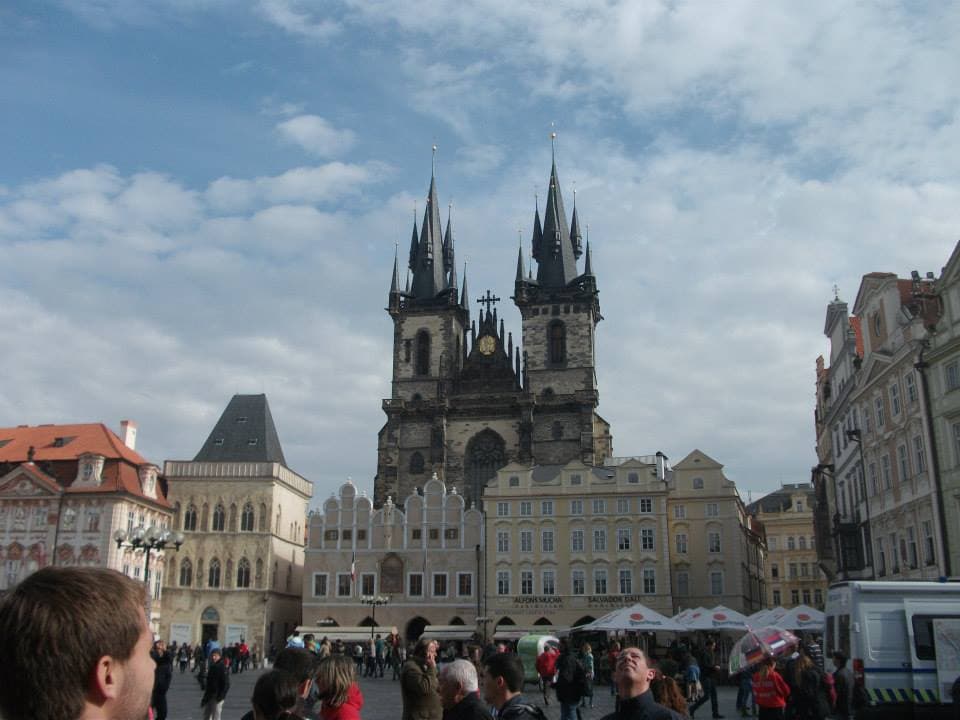
Wander the medieval old town of Brașov beneath Tâmpa mountain and visit the Gothic Black Church. Drive or hike up to Bran Castle, marketed as Dracula's castle but worth the visit for the views and the Carpathian foothills around it. Explore Sighișoara, one of the few inhabited medieval citadels left in Europe and a UNESCO World Heritage site. Take the Transfăgărășan or Transalpina highways through the Carpathians in summer for some of the most dramatic mountain driving on the continent. In Sibiu, sit in the Piața Mare with a coffee and watch the city watch you back through its famous "eyes", the eyebrow-shaped attic windows on the old houses.
Recommended Experience
Dracula's Castle, Peleș Castle & Brașov Day Trip
I did this tour and highly recommend it. You are picked up from Bucharest and taken into the heart of Transylvania, visiting the iconic Bran Castle (Dracula's Castle), the stunning Peleș Castle in Sinaia, and the charming medieval city of Brașov. It is the perfect way to experience the region's legends, architecture, and mountain scenery in a single day.
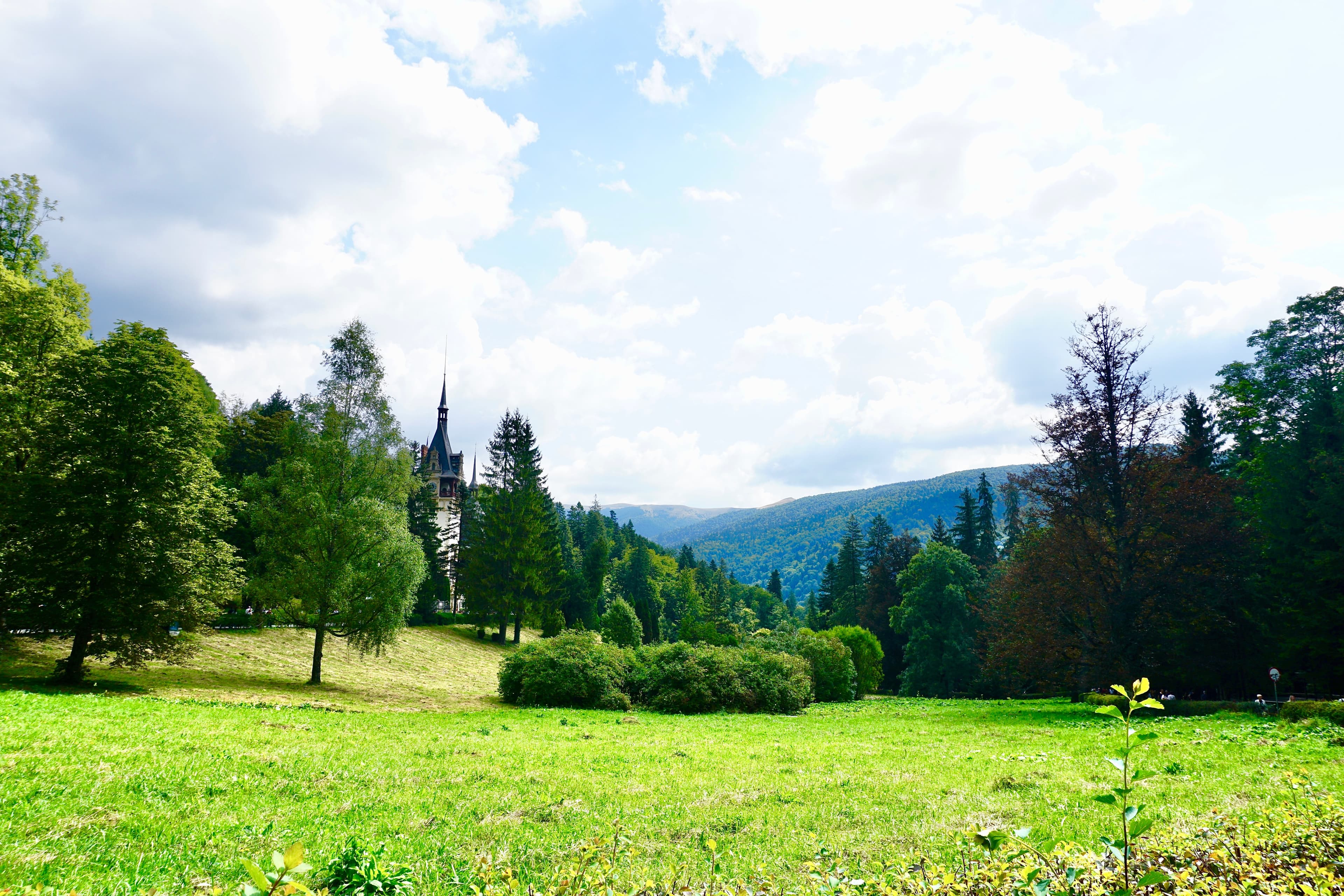
I visited on a day trip from Bucharest. On the drive up you pass through the Prahova Valley and the town of Sinaia, which sits in Prahova County (historically part of Wallachia, not Transylvania) and serves as the southern gateway into the region. It's a quaint ski town, serene and peaceful, a good option for anyone looking to get away from the city and closer to nature. In hindsight I wish I'd given myself more time in Brașov, which was truly stunning and deserves more than a few hours.
Recommended Experience
Bucharest Parliament Building Tour
If you are staying in Bucharest before or after your Transylvania trip, I highly recommend taking a tour of the Parliament Building, one of the largest administrative buildings in the world. It is an astonishing feat of architecture and a fascinating glimpse into Romania's history.
Sinaia and Peleș Castle
Peleș was the stop that surprised me most on the day trip. King Carol I commissioned it, and it was built between 1873 and 1914 in German neo-Renaissance style as the summer residence of the Romanian royal family. What sets it apart is the engineering: Peleș was the first castle in Europe fully powered by locally produced electricity, generated by its own hydroelectric plant, with the electrical system completed in 1884. It also had central heating, an elevator, hot and cold running water, and a theatre hall with a movable glass ceiling. More than 160 rooms sit behind that timbered facade, and the interiors are as intricate as the outside.
Right next door is Pelișor Castle, smaller and built in Art Nouveau style for the crown prince. Down in the town itself is Sinaia Monastery, which the town takes its name from.
Above town, the Bucegi Mountains plateau holds two rock landmarks worth the ascent: the Sphinx, a natural formation at 2,216 meters that weather has carved into a rough profile, and the Babele formations nearby. You can reach the plateau by cable car from Sinaia, which runs in two stages, or by the more direct cable car from Bușteni.
Keep the geography honest: Sinaia sits in Prahova County, historically part of Wallachia rather than Transylvania, and works as the southern gateway into the region.
Corvin Castle
If Bran is the castle Dracula's name is attached to, Corvin is the castle most travelers actually picture when they imagine a medieval fortress. It stands above the Zlaști River in Hunedoara, in Hunedoara County in western Transylvania, and it is one of the largest and most complete Gothic-Renaissance castles in Europe. John Hunyadi (Iancu de Hunedoara) began building it in the 1440s on top of an older fortification. Drawbridge, tall buttressed hall, colored roof tiles, and a deep courtyard well: this is the real thing that Bran is often expected to be.
The best-known story here is that Vlad the Impaler was held prisoner in the castle for years. Treat that as legend. There is no solid historical evidence for it, and it belongs with the region's other Dracula tales rather than with documented fact.
The Real Vlad and the Dracula Question
Bram Stoker's Count is introduced as a nobleman "from Transylvania," and that one line has done a century of tourism work for the region. The history is messier. The real Vlad III ruled Wallachia, the land south of the Carpathians, and there is no documented record of him living at Bran Castle. Historians generally describe the Bran-Dracula link as marketing rather than biography.
His genuine ties to Transylvania are elsewhere. Sighișoara, the inhabited medieval citadel already worth a stop on its own, is traditionally identified as his birthplace around 1431. Hedge that too: historians debate whether he was actually born there, though his father did own a house in the town. Corvin Castle, covered above, is where legend places his imprisonment.
The site with the strongest real claim to Vlad is Poenari, a cliff-top ruin reached by a climb of 1,480 steps on the Transfăgărășan. Technically it sits in Wallachia, in Argeș County, but it is on the same mountain road this guide already sends you up, which makes it an easy addition for anyone chasing the actual history behind the legend.
Carpathian Wildlife and Brown Bears
Romania holds the largest brown bear population in Europe outside Russia. The exact number is contested: official estimates put it at around 8,000, while a 2025 DNA-based census suggested as many as roughly 13,000, so take it as a range rather than a firm figure. The same mountains hold significant wolf and lynx populations and some of the last old-growth forest left in Europe.
To see bears responsibly, the Libearty Bear Sanctuary near Zârnești, close to Brașov, rehomes rescued bears and is billed as the world's largest bear sanctuary.
A safety note worth taking seriously: bear encounters on trails are a genuine risk, not a photo opportunity. Stick to marked trails, never leave food behind, and keep your distance. If you want a close look, do it from a guided watching hide rather than on the trail.
Salina Turda Salt Mine
Half an hour from Cluj-Napoca, near the town of Turda, is a salt mine with roughly 2,000 years of salt history behind it. It was worked from Roman times until 1932, then served as a bomb shelter during the Second World War and later as a cheese store.
It reopened as a tourist site, and the scale underground is the draw. About 120 meters down it holds an amphitheater, an underground lake you can row across in a boat, and a Ferris wheel, and it holds a world record as the largest underground theme park. The operator bills its Ferris wheel as the only one operating underground in the world, so take that as their own claim. One thing not to repeat: it is often called the world's largest salt mine, which is contested, so leave that label off.
Food and Drink
Romanian cooking is hearty and worth arriving hungry for. Sarmale, cabbage rolls stuffed with minced pork and rice, are the national dish, usually served with mămăligă, a polenta, and a spoon of sour cream. Mici, also called mititei, are skinless grilled rolls of minced meat, the barbecue and street-food staple, eaten with mustard and bread. For something sweet, papanași are fried doughnuts made with sweet cheese and topped with sour cream and jam, and cozonac is the swirled holiday bread filled with walnut or poppy seed. The traditional welcome drink is țuică, a plum brandy.
Transylvania has its own regional specifics. Varză à la Cluj is a layered, unrolled version of sarmale from Cluj, and kürtőskalács, or chimney cake, comes from the region's strong Hungarian and Székely heritage.
Best Time to Visit
Late May through September is the sweet spot, the mountain passes are open, the weather is warm, and the long evenings make the medieval towns glow. June and July are peak for wildflowers in the Carpathians; September brings cooler air and fewer crowds. Winter (December through February) is magical in the old towns and the ski resorts of Poiana Brașov, but mountain roads close and many rural guesthouses shut down.
Getting There
The main gateways are Bucharest (Henri Coandă, airport code OTP) and Cluj-Napoca (Avram Iancu, CLJ), with smaller airports at Sibiu (SBZ) and Târgu Mureș (TGM) that put you closer to the heart of the region.
Romania uses the leu (RON), not the euro, despite being in the EU. Cards are widely accepted in the cities, but carry some cash for rural guesthouses and mountain huts where a card machine is not a given.
Where to Stay
Brașov is the easiest base for a first visit, walkable, beautiful, and well-connected by train to Bucharest and Sighișoara. Sibiu is the cultural counterpoint: smaller, quieter, and arguably the prettiest old town in the country. For something rural, stay in a guesthouse in the Saxon villages around Viscri or Mălâncrav, where Prince Charles famously bought a house. Avoid building an itinerary around Bucharest hotels, Transylvania deserves its own days.
Budget: Casa Reims, well-priced guesthouse just outside the walls of Sibiu's old town, a five-minute walk to the main squares.
Mid-range: Casa Wagner Brașov, 15th-century building right on Piața Sfatului, central to everything in Brașov.
Luxury: Zalánpatak Guesthouses, King Charles III's restored Saxon and Székely cottages in a remote valley, the most distinctive luxury stay in Transylvania.
These are affiliate links — booking through them supports Viator Modus at no extra cost to you. Same room, same price, it just helps keep the guides coming.
Getting Around
Romanian trains are slow but cheap and scenic, the Brașov–Sibiu line is one of the prettiest rides in Eastern Europe. For more flexibility, rent a car: distances are short but mountain roads are slow, and many of the best villages and monasteries are off the rail network. Avoid driving in central Bucharest if you can; traffic is intense and parking is scarce. Buses (Autogari) connect smaller towns where trains don't reach.
Suggested Itineraries
Treat these as flexible frames rather than fixed schedules, and stretch or trim them to fit your pace.
Three days: Brașov old town and the Gothic Black Church, then Bran Castle and the Carpathian foothills around it.
Five days: add Sibiu and a Saxon village such as Viscri, plus the Transfăgărășan in summer when the pass is open.
Seven days: add Cluj-Napoca with Salina Turda, Corvin Castle in Hunedoara, and the Poenari and Transfăgărășan "real Vlad" trail.
Hidden Gems
The fortified Saxon village of Viscri, accessed by a dirt road through fields, feels like stepping into the 1700s, and the local sheep cheese is worth the detour alone. The painted monasteries of Bucovina, in the country's northeast, are covered inside and out in 500-year-old frescoes. And the Hoia-Baciu forest outside Cluj-Napoca, with its strangely twisted trees and local UFO legends, is one of the most atmospheric walks in the country, quiet, eerie, and almost completely empty of tourists.
Is Transylvania a country or a region?
Transylvania is a region of central Romania, ringed by the Carpathian Mountains, not a country of its own.
Is Bran Castle really Dracula's castle?
No. There is no documented link between Bran Castle and the historical Vlad III, so the association is essentially marketing. The fortress with the strongest real tie to Vlad is Poenari, and his traditionally identified birthplace is the citadel of Sighișoara.
Is it safe to hike where the bears are?
Romania has the largest brown bear population in Europe outside Russia, and encounters do happen. Stick to marked trails, do not leave food behind, and keep your distance, or watch the bears from a guided hide instead.
When is the best time to visit Transylvania?
Late May through September, when the mountain passes are open. September brings fewer crowds. Winter is scenic, but many mountain roads and rural guesthouses close.
Can I see Bran and Peleș in one day?
Yes. Pairing Bran Castle and Peleș Castle is a common day trip from Bucharest or Brașov, which is exactly how I did it.
Does Romania use the euro?
No, Romania uses the leu (RON), despite being a member of the EU.