Southeast Asia
Most people call it Bangkok. Almost nobody knows its real name. The city's full ceremonial title holds the Guinness World Record as the longest place name on Earth, a chain of Pali and Sanskrit honorifics that locals mercifully shorten to Krung Thep, "City of Angels." That name was minted in 1782, the year King Rama I moved the capital across the river and founded the Rattanakosin Kingdom. Hold onto that date. It quietly explains almost everything you are about to see: the palace, the temple across the water, and the Chinatown that had to move to make room. I have been to Bangkok three times now, and it rewards you the deeper you go.
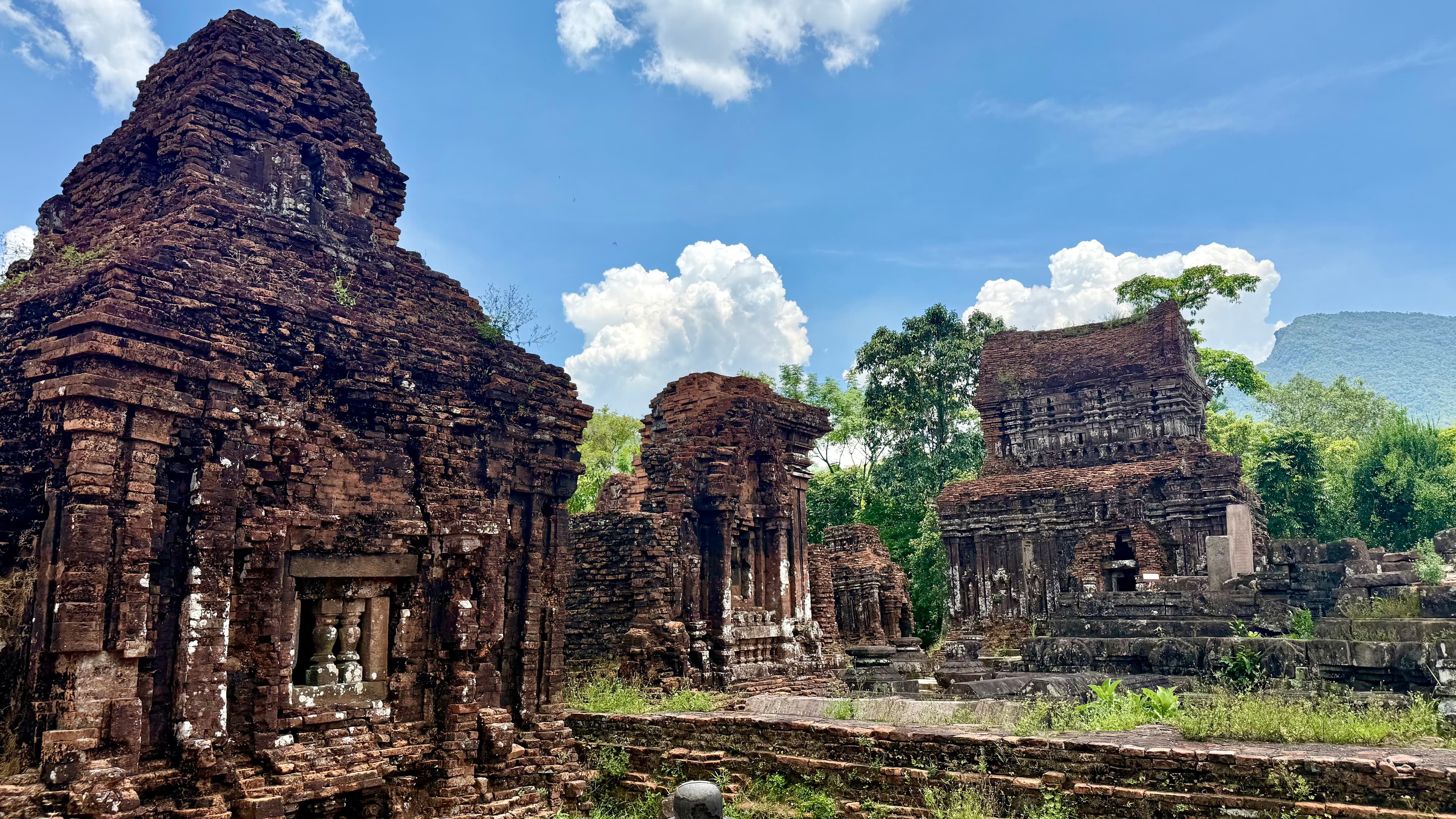
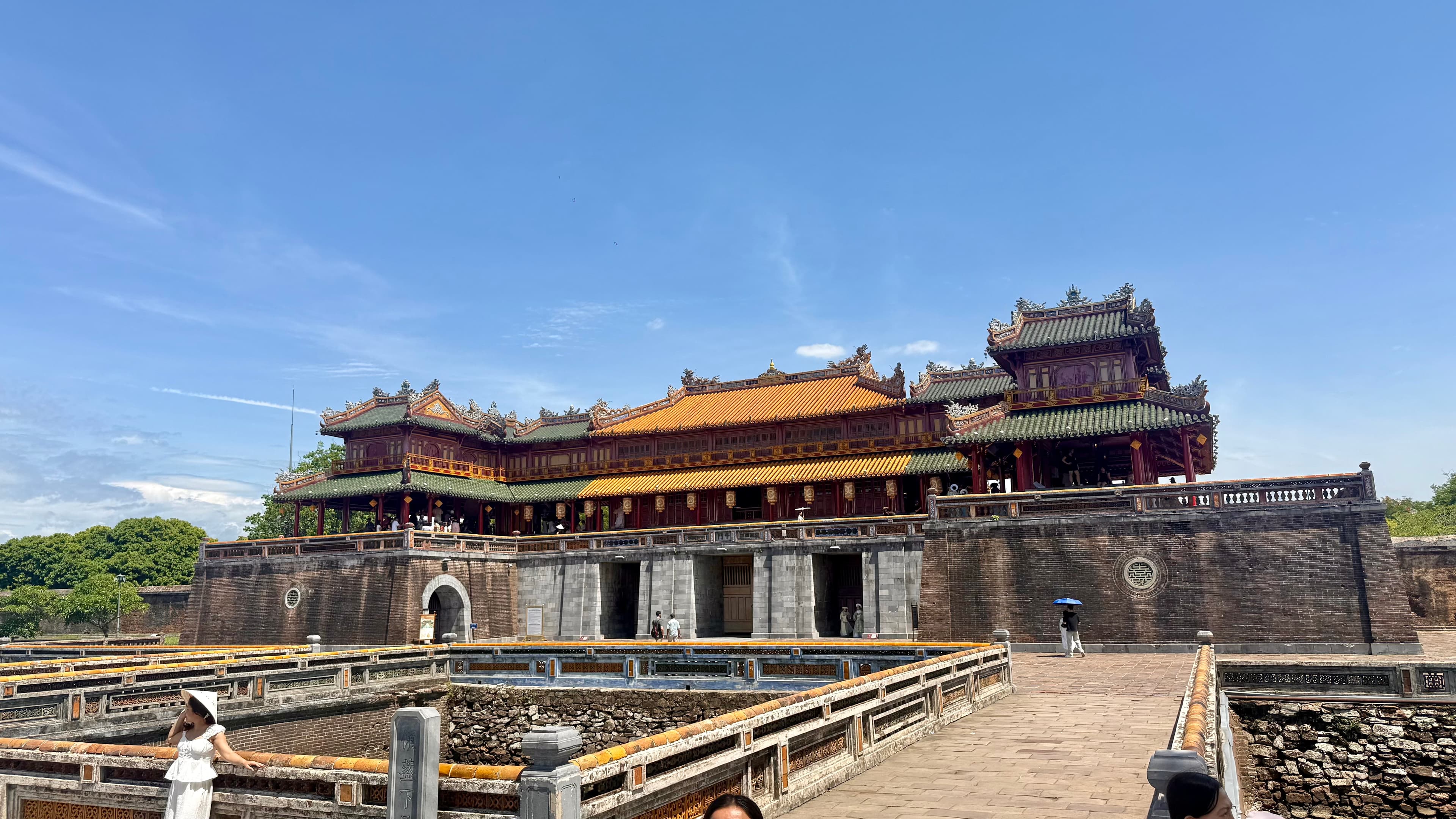
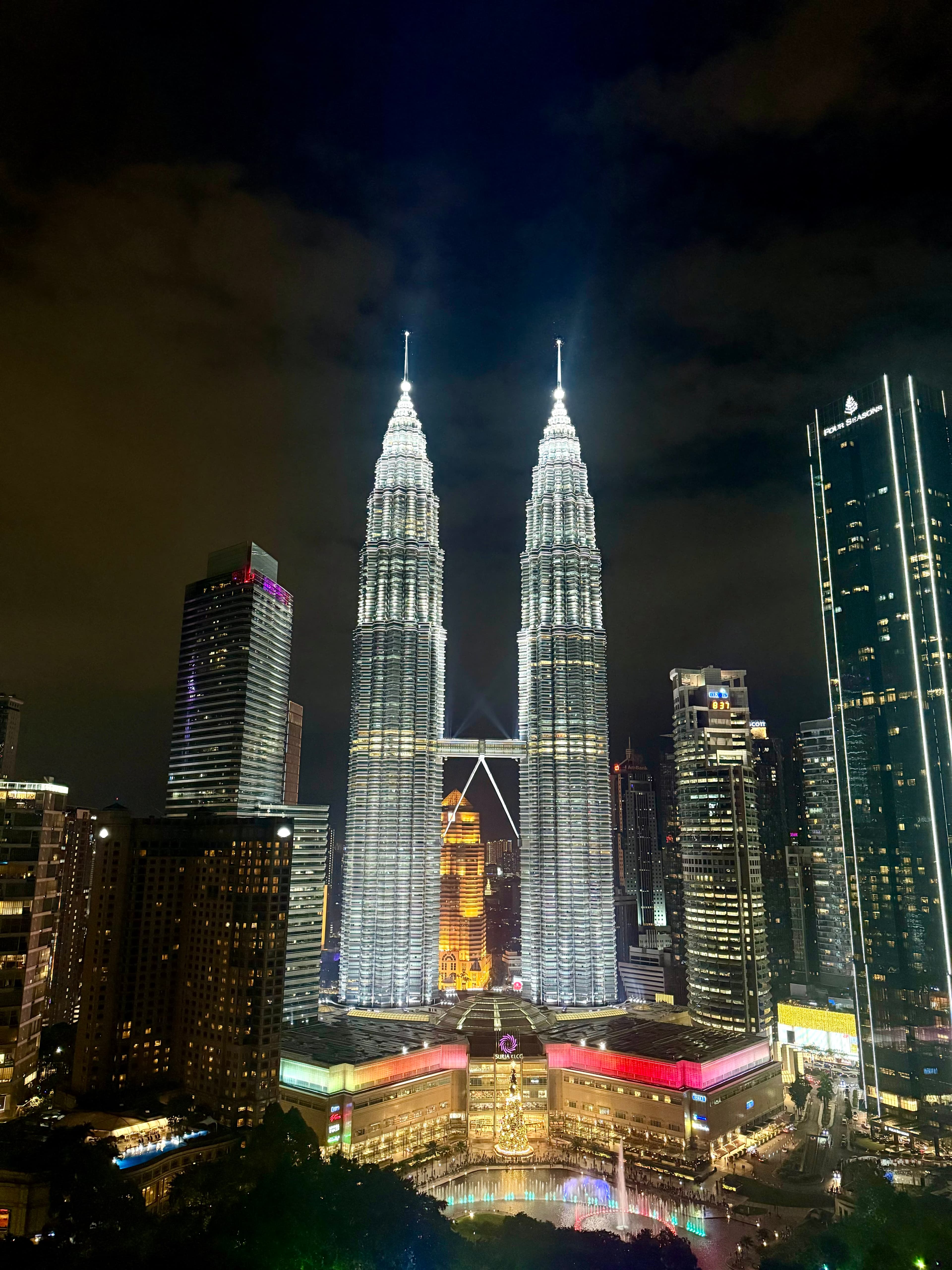
Scenes from three trips to Bangkok, from the Grand Palace to Chinatown at night, captured on my trips.
The Grand Palace: 1782, and the Buddha That Isn't Emerald
Bangkok's founding monument went up in 1782, rising as a new royal capital after the old one, Ayutthaya, was razed. For roughly 150 years it was the official residence of the Thai kings. Inside its walls sits Wat Phra Kaew, the most sacred temple in Thailand, home to the Emerald Buddha. Here is what most visitors never learn: the Emerald Buddha is not emerald at all. It is carved from a single block of jade, and it is treated as the palladium of the Thai monarchy. Three times a year the king personally changes its golden robes to mark the hot, rainy, and cool seasons, a ritual no one else is permitted to perform.
Firsthand: this is one of the most impressive temple complexes in Southeast Asia, and the gold is genuinely staggering in person. One rule trips people up. You cannot enter in shorts, and men need long pants. Skip the touts outside. They sell pants at the entrance for less than what you will get quoted on the street.
Eagle's Nest and Wat Arun: A Spire Built From Broken Dishes
Directly across the Chao Phraya River from the old city stands Wat Arun, the Temple of Dawn, named for Aruna, the Hindu god of the rising sun. Its central spire climbs around 82 metres, one of the tallest religious structures in Bangkok, and up close it reveals its secret: the entire surface is covered in millions of pieces of broken Chinese porcelain. The shards arrived in Bangkok as ballast in Chinese trading ships, were dumped as worthless, then pressed into the wet stucco as decoration. A temple clad in recycled dinnerware, glittering at dawn. There is a full-circle detail here too. The Emerald Buddha you just saw at the Grand Palace was housed at Wat Arun first, before it crossed the river in 1785.
Firsthand: the Eagle's Nest rooftop bar, on top of the Sala Arun hotel, is one of the best places in the city to take in Wat Arun. Grab a crisp Chang, watch the boats work the river, and time it for golden hour. It is small and does not take reservations, so arrive before sunset to claim a spot on the deck.
Yaowarat: A Food Tour Through One of the Oldest Chinatowns on Earth
There are Chinatowns in most major cities. Then there is Bangkok's. Yaowarat is one of the largest and oldest Chinatowns in the world, founded in that same year, 1782. It exists because of the Grand Palace: the Teochew Chinese community living on the palace site was relocated downriver to make room for the new capital, and they built a commercial empire where they landed. The main artery, Yaowarat Road, is a winding, dragon-shaped street that was not even paved until the 1890s. What makes it worth a night is that, unlike so many Chinatowns that have become theme parks, this one is still a living, working district. It is also home to Wat Traimit and its Golden Buddha, the largest solid-gold Buddha statue in the world.
Firsthand: come hungry and come after dark. The street food here is sprawling and authentic, block after block of woks firing on the pavement. A walking food tour is the single best way to eat your way through it without getting overwhelmed.
Khaosan Road: The Rice Market That Became the Backpacker Capital
Before it was the loudest street in Southeast Asia, Khaosan Road was a rice market. The name literally means "milled rice." Its second life began in the 1980s, when the first guesthouses opened and budget travelers started using it as a launchpad into the region. Then Alex Garland's 1996 novel The Beach opened its story right here, the film adaptation followed in 2000, and Khaosan was cemented as ground zero of the global backpacker trail.
Firsthand: it is pure, unfiltered chaos, and it skews young, roughly the 18 to 25 crowd. If you are older than that, it is still a good time in short doses. Go for an hour, have a drink, watch the circus, and move on.
Rajadamnern Stadium: The Oldest Ring in Muay Thai
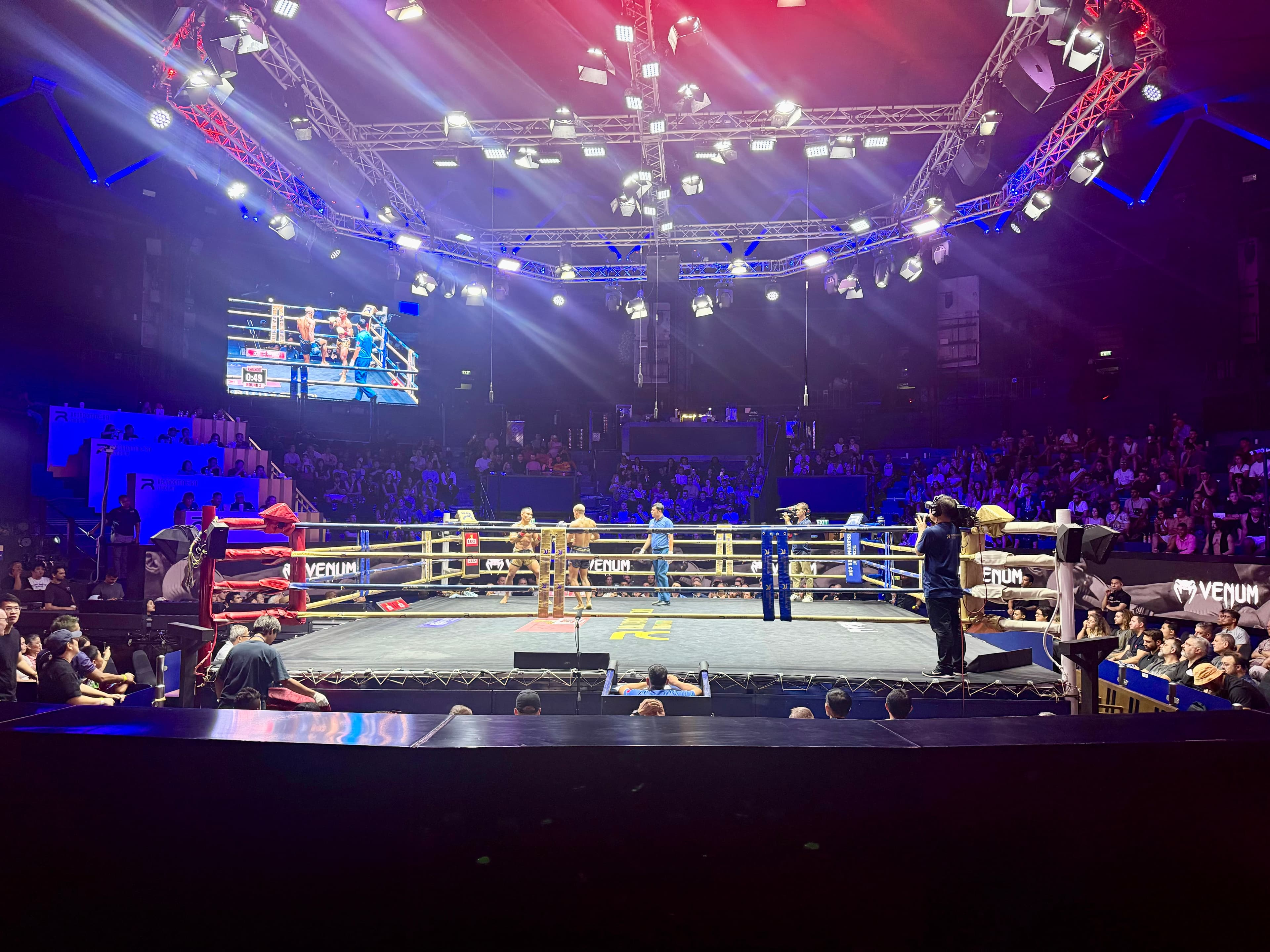
Rajadamnern opened in 1945 as the world's first purpose-built Muay Thai stadium. It was commissioned in 1941 by Prime Minister Field Marshal Plaek Phibunsongkhram as a national symbol, and construction dragged through the Second World War before it finally opened its doors. Two details make it special. The ring sits inside a circular amphitheater so that every seat has a clean line to the action, and on the upper level, gamblers still place their bets by hand signal, waving across the crowd like a stock exchange trading floor.
Firsthand: this was one of the most exciting live sporting events I have ever been to. You can get a beer delivered right to your seat and even see the fighters warming up backstage. One pro tip that will change your night: ringside is actually too close to see the fights well. Aim for the first one or two rows of Club Class, which puts you at eye level with the fighters and gives you the full view.
Where to stay: Sukhumvit
For a first trip, base yourself in Sukhumvit. It runs along Sukhumvit Road, which is one of Thailand's longest roads: officially Highway 3, it stretches roughly 488 kilometres from Bangkok all the way to the Cambodian border. In the city, it is the modern, international spine of Bangkok, with the BTS Skytrain running directly overhead.
Firsthand: this area feels more modern and western than the district around the Grand Palace and Khaosan Road. If you want good coffee, reliable transit, restaurants from every corner of the world, and a comfortable home base, this is it.
Siam: The Beating Heart
Siam is where Bangkok's two main Skytrain lines cross, which makes it the single busiest transfer point in the city and the natural center of gravity for shopping and commerce.
Firsthand: it is central, busy, and about as close to Bangkok's beating heart as it gets. Even if you do not stay here, you will pass through it constantly, and it is a fast, air-conditioned launchpad to everywhere else on this list.
Where to stay
Here is a live map to compare pricing across Sukhumvit, Siam, and the rest of the city.
These are affiliate links — booking through them supports Viator Modus at no extra cost to you. Same room, same price, it just helps keep the guides coming.
Three trips in, Bangkok still has layers I have not peeled back. Save this for your first trip, and follow along for the firsthand version of the rest of Thailand.