Africa
Most travelers rush Luxor in a single day. Here's the firsthand case for three nights in the world's greatest open-air museum: Karnak at dawn, the Valley of the Kings, and which bank of the Nile to sleep on.
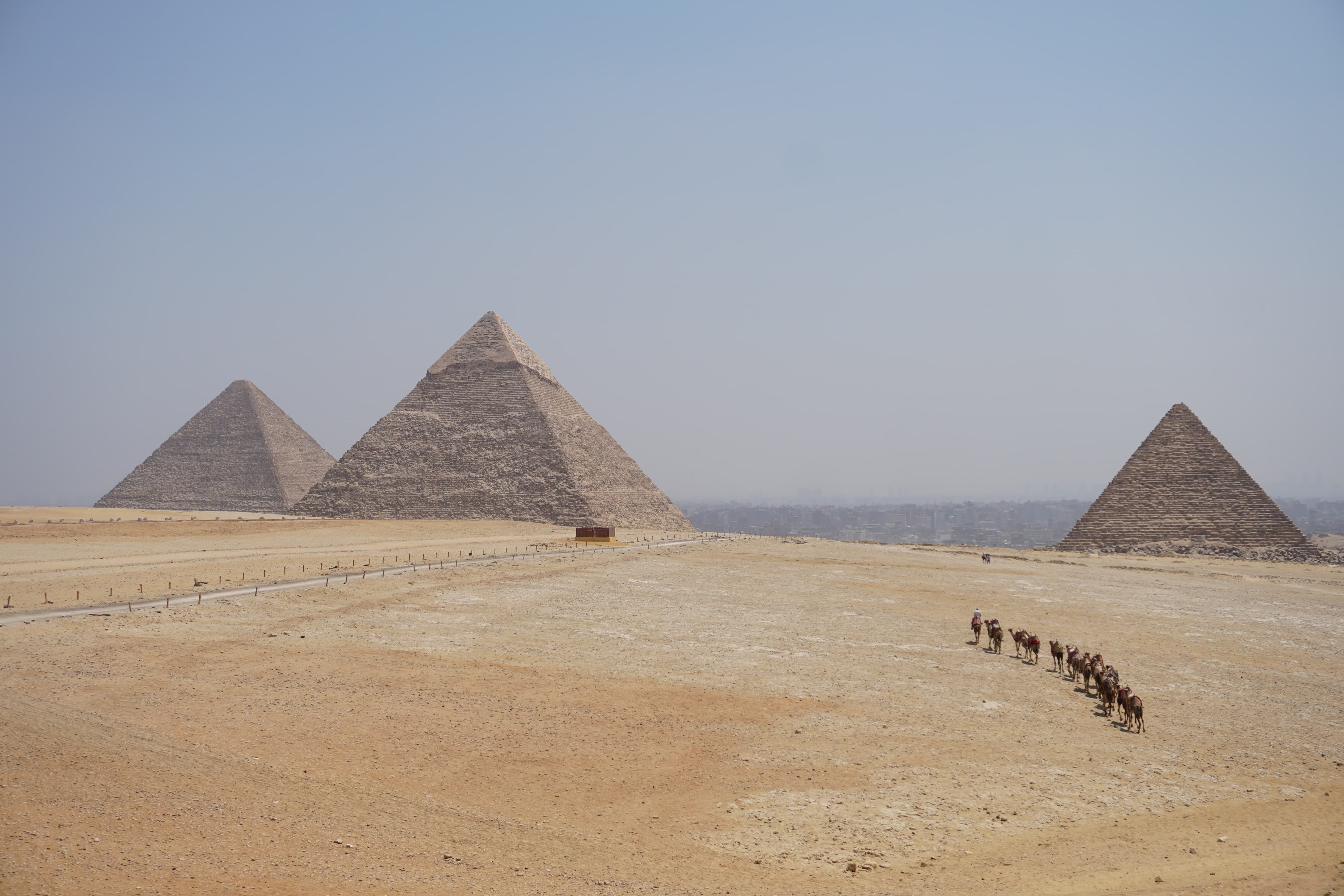
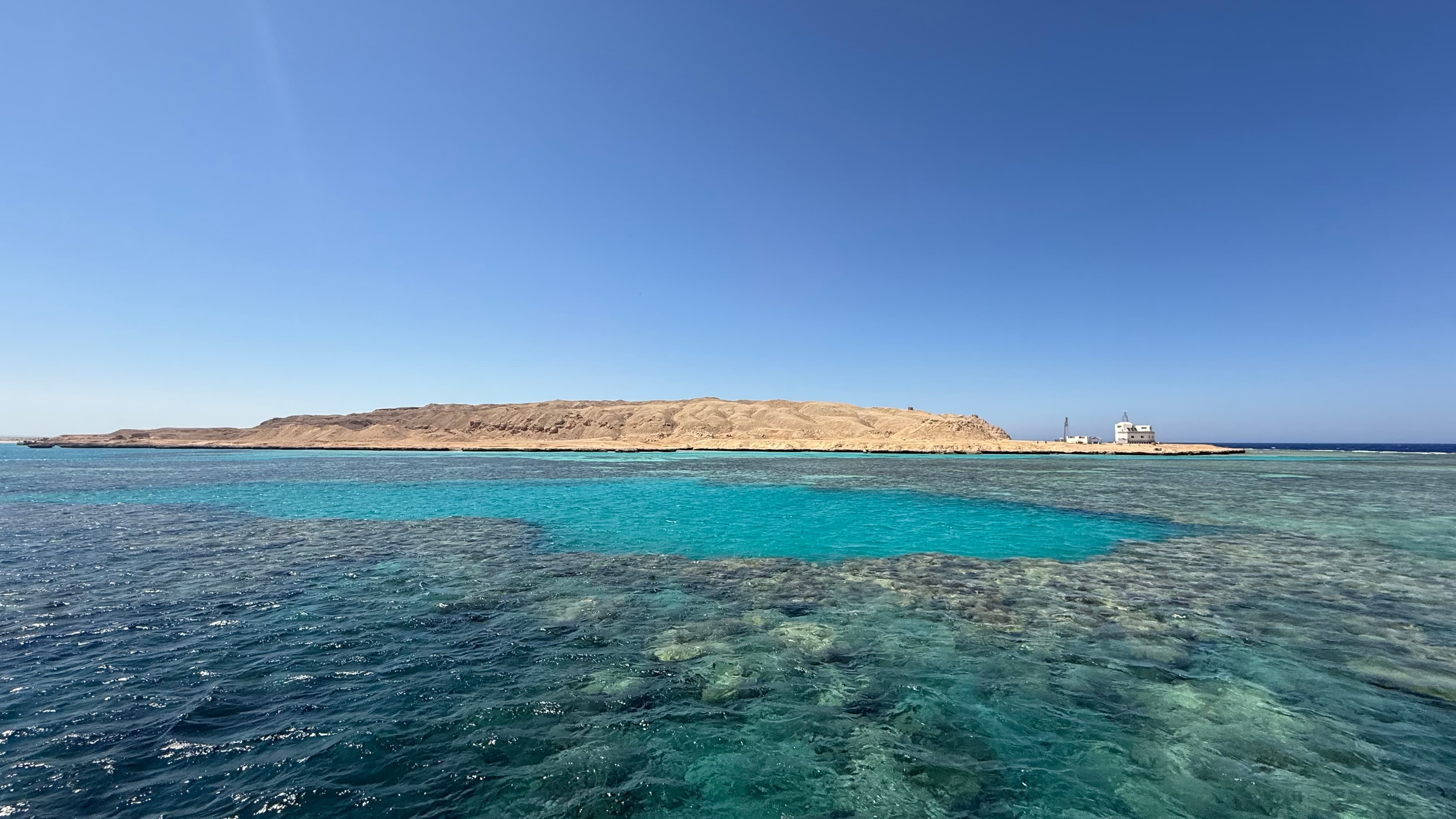
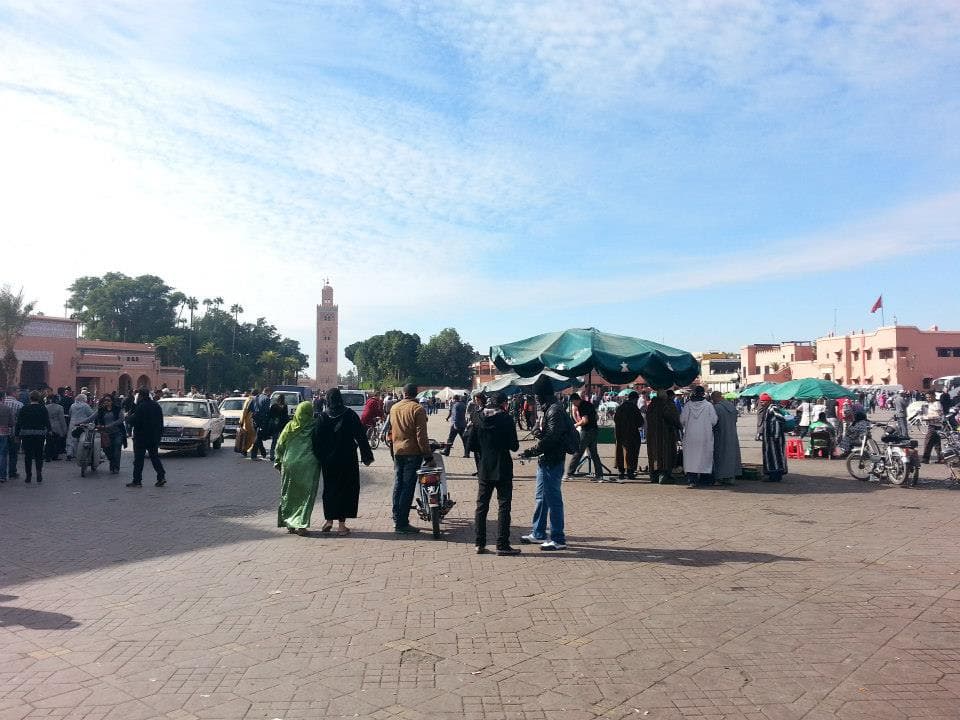
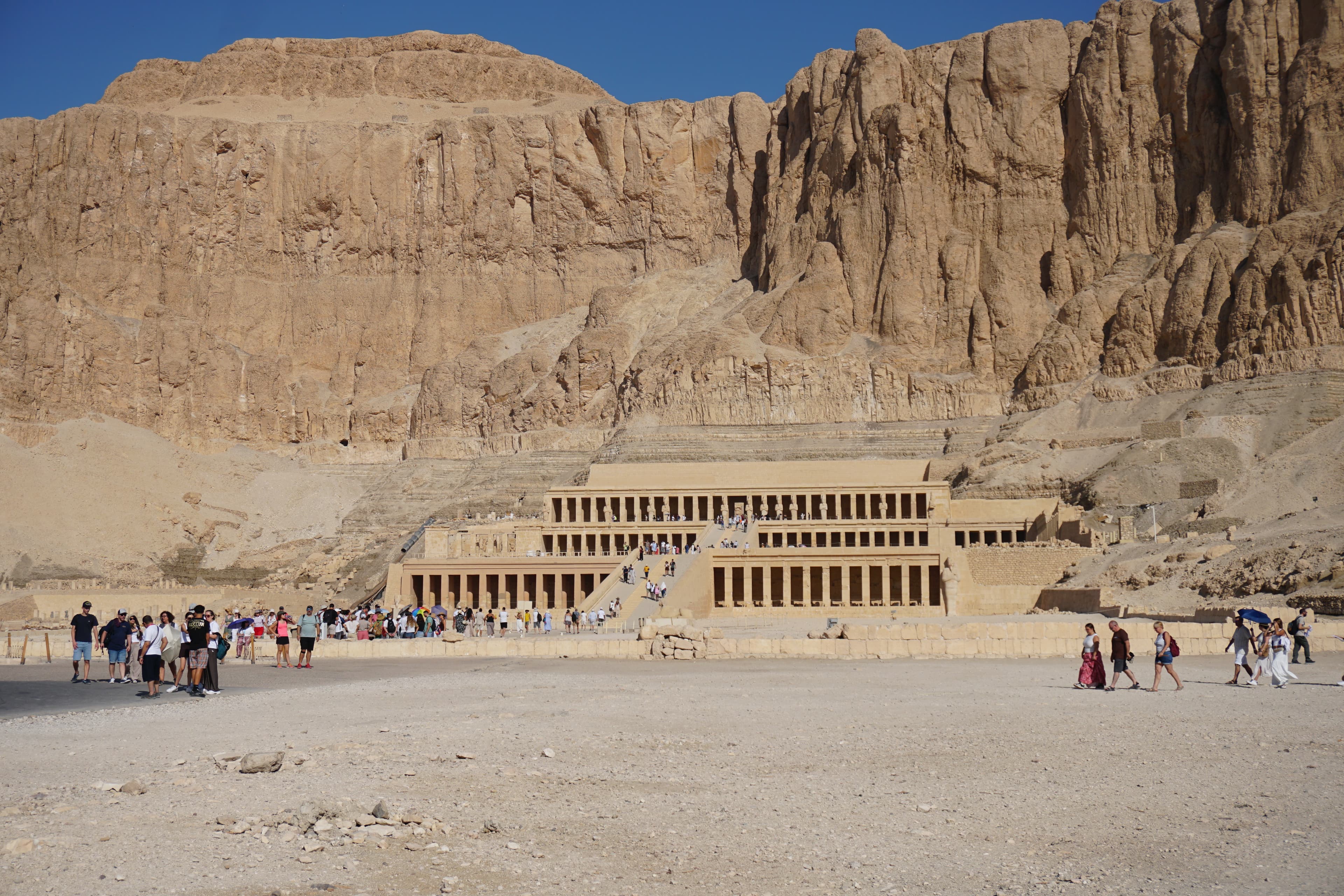
Scenes from Luxor and ancient Thebes on the Nile, captured on my trip.
Most travelers give Luxor a single rushed day between a Nile cruise and a flight out. That is a mistake. This is the site of ancient Thebes, the New Kingdom capital, and it holds a concentration of standing monuments that no other city on Earth matches. Egyptologists and tour boards call it the world's greatest open-air museum, and after three nights here I understood why.
What makes Luxor worth more than a day trip?
Luxor sits on the site of ancient Thebes, capital of Egypt through the New Kingdom (roughly 1550 to 1070 BC), when the pharaohs were at the height of their power. The Nile splits the city in two. The East Bank was the land of the living: the modern town, the markets, and the two great temples of Karnak and Luxor. The West Bank was the land of the dead: the royal necropolis, including the Valley of the Kings. That split still shapes a visit today, and it is worth planning around.
Should you stay on the east bank or the west bank?
I stayed on the West Bank to be within a few minutes of the Valley of the Kings and Hatshepsut's temple, which meant early access before the tour buses arrived. The trade off is that the actual town, with most of the restaurants, shops, and life, is across the river on the East Bank. Getting between them is simple. The local ferry costs 25 EGP each way and works perfectly. Sometimes you wait a few minutes for it to fill before it departs, because this is the everyday transport locals use, not a tourist boat. Want quiet mornings at the tombs, stay west. Want to be in the middle of things, stay east.
Why is Karnak the largest temple ever built?
Karnak is the largest religious building ever constructed, in any era, anywhere on Earth. It is not one temple but a city of them, raised over nearly 2,000 years by more than 30 pharaohs, each adding pylons, obelisks, and sanctuaries to outdo the last. The centerpiece is the Great Hypostyle Hall: 134 stone columns packed into a single room, the tallest rising around 21 meters. Standing among them, you lose all sense of scale. Go right at the 6am opening to have it to yourself before the crowds.
Is Luxor Temple worth visiting?
Yes, and ideally twice, once in daylight and once after dark when it is lit. Luxor Temple anchors the south end of the Avenue of Sphinxes, a 2.7 kilometer ceremonial road that once connected it directly to Karnak. The avenue lay buried under the modern town for centuries and only reopened to the public in November 2021 after decades of excavation. The temple's strangest detail sits above the ruins: the Abu Haggag Mosque, built directly onto the temple's first court in the 11th century and still in active use today. That makes Luxor Temple one of the only pharaonic monuments on Earth in continuous religious use for more than 3,000 years, across Egyptian, Roman, Christian, and Islamic worship. One of its two original obelisks still stands at the entrance. Its twin was gifted to France in 1833 and stands today in the Place de la Concorde in Paris.
For dinner, go to Al Sahaby Lane Restaurant, a rooftop spot on the East Bank with a direct view over Luxor Temple and out to the Nile. Time it for sunset and the moment the temple lights come on.
What should you know before visiting the Valley of the Kings?
More than 60 tombs have been cut into this one desert valley, the burial ground of the New Kingdom pharaohs. Here is the part that trips people up: your standard ticket gets you into three tombs, chosen from whichever are open in the rotation that day. A handful of the most famous tombs require a separate ticket on top of that, including Tutankhamun, Seti I, and Ramesses V and VI. Decide before you go whether the add ons are worth it to you. Tutankhamun's tomb is the reason the whole valley is world famous. Howard Carter found it nearly intact in 1922, the only pharaoh's tomb ever discovered with its treasures still inside. Go at opening. The tombs turn hot and airless fast once the sun is up.
Why does Hatshepsut's temple matter?
Hatshepsut was one of the very few women ever to rule Egypt as pharaoh, and one of the most effective, presiding over a long stretch of peace and expanded trade. Her mortuary temple at Deir el-Bahari rises in three colonnaded terraces straight out of the cliff face, a design that still looks modern 3,500 years later. There is a darker story in the stone. After her death, her successor Thutmose III had her name and image chiselled off monuments across Egypt in a deliberate attempt to erase her from history. He nearly succeeded. Her identity was only firmly recovered in the modern era.
How do you get around Luxor?
The local ferry is the key to the whole city. At 25 EGP each way it links the West Bank necropolis to the East Bank town in a few minutes, and it runs on local rhythm rather than a fixed timetable, leaving once it fills. On the West Bank, arrange a taxi or a driver for the day to connect the Valley of the Kings, Hatshepsut's temple, and the other sites, since they are spread across the desert.
Where should you stay in Luxor?
Luxor rewards travelers who slow down. Give it three days, cross the river on the ferry, and start at the tombs before the sun does.
Found this useful?
If this guide helped plan your trip to Luxor, you can help fund the next one.
Buy me a coffee →