Caribbean
American soil where you drive on the left, need no passport, and can be snorkeling twenty minutes after landing. Nine weeks based on St. Thomas, plus the island that steals the show, St. John, two-thirds of it national park.
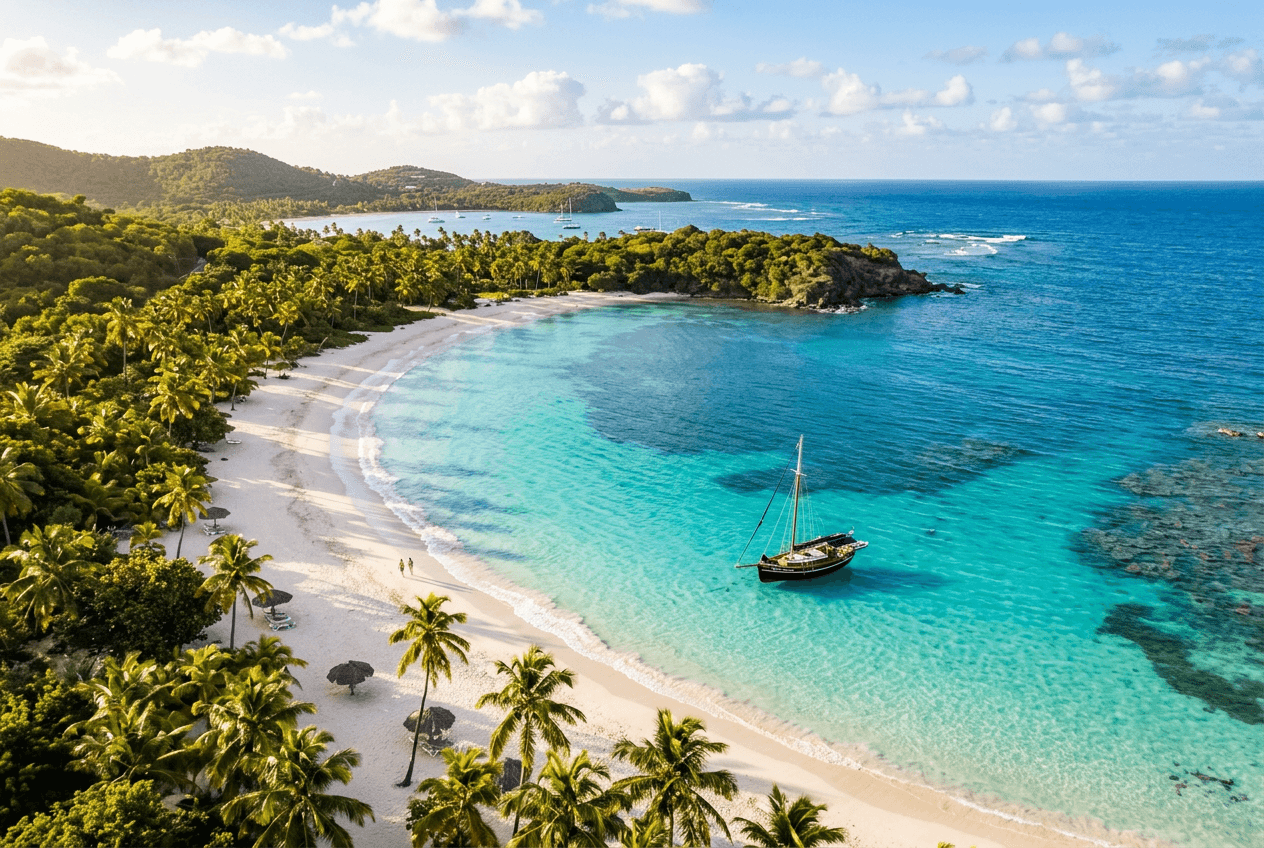
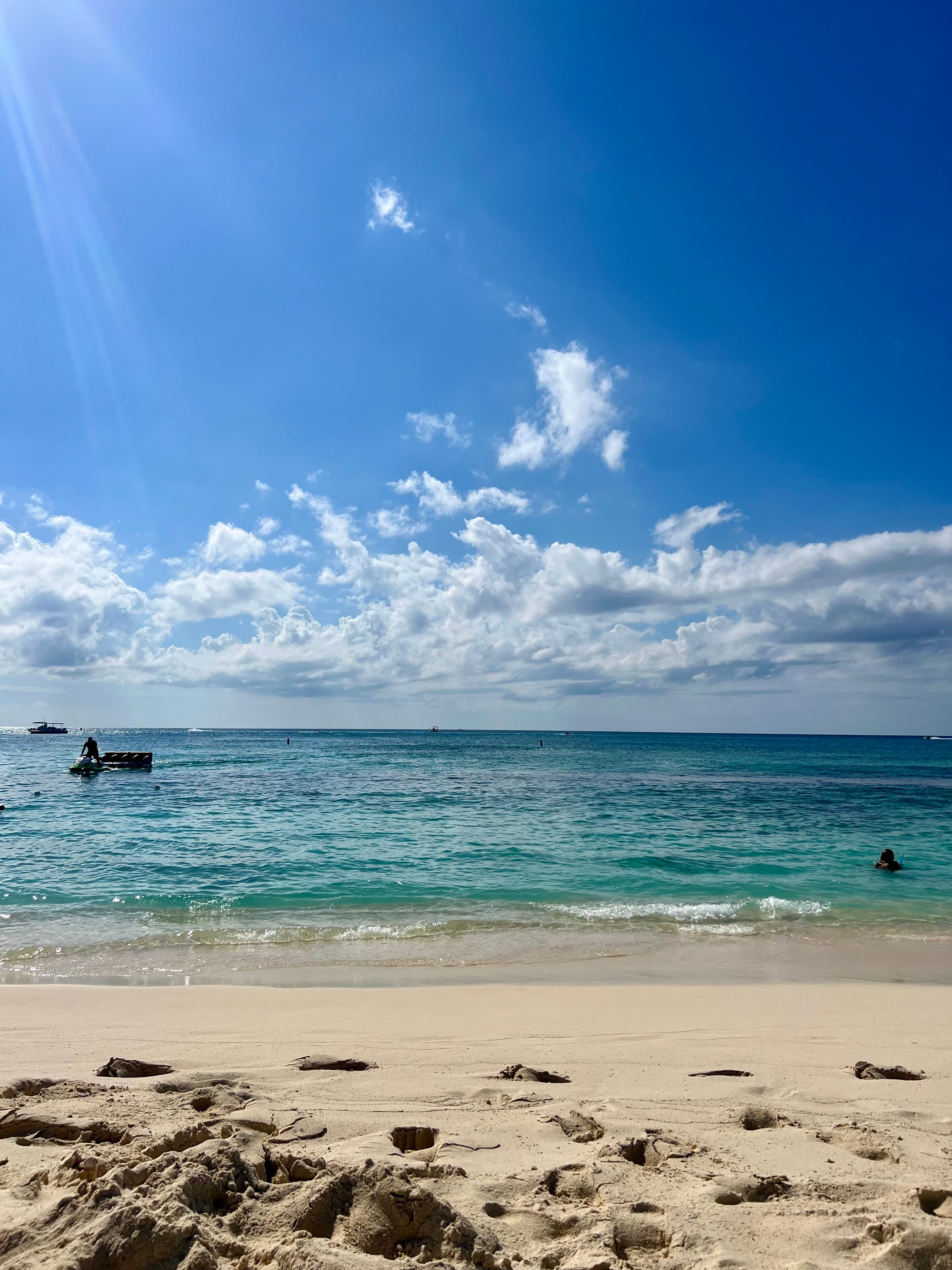
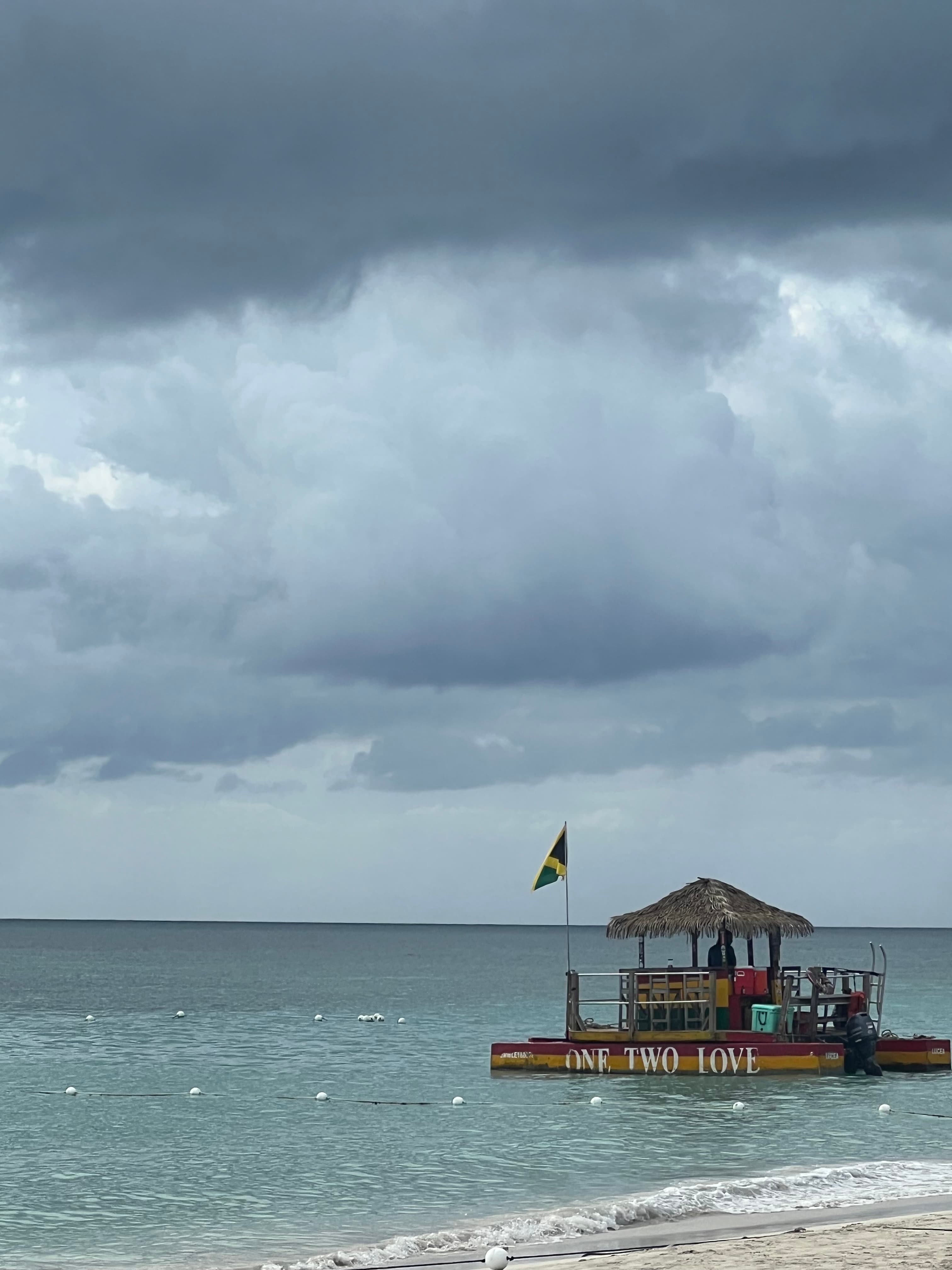
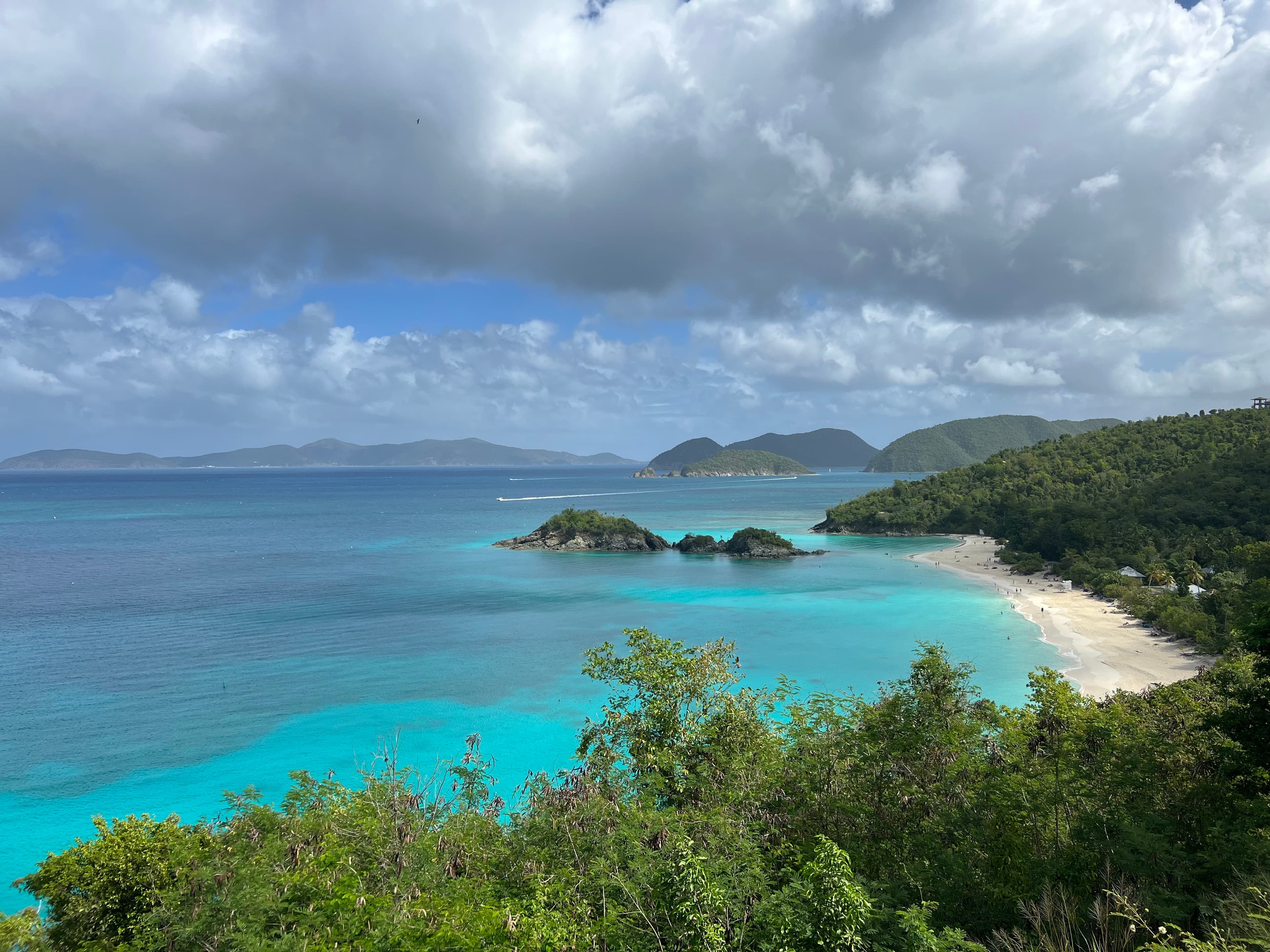
The U.S. Virgin Islands, from Magens Bay on St. Thomas to Trunk Bay on St. John, captured on my trip.
I have spent about nine weeks living on St. Thomas, spread across two long remote-work stints, and it took me until the second one to understand the thing most visitors never do: the U.S. Virgin Islands are American soil where you drive on the left, pay in dollars, need no passport, and can be snorkeling over a coral reef twenty minutes after landing. My fiance and I based ourselves in the same spot both times, on the far east end of St. Thomas, and used it as a launch pad for the island that actually steals the show, St. John.
Things to Do
Start on St. Thomas. Magens Bay is the headline, a mile-long horseshoe of white sand on the north shore that lands on nearly every list of the world's best beaches, calm and shallow enough to float for an hour. For something quieter, Secret Harbor on the east end is a small, protected cove with easy snorkeling straight off the sand. If you dive, the reefs and rock formations off the east end are the draw; I dove Calf Rock on one trip and, on another, the reef right off Little St. James, the private island that belonged to Jeffrey Epstein, more on that below. Then take the twenty-minute ferry from Red Hook across to St. John, where two-thirds of the island is protected national park. Trunk Bay is the famous one, home to an underwater snorkel trail with plaques you read below the surface, and Maho Bay is the shallow, seagrass-lined beach where green sea turtles come in to graze. Base your day around Cruz Bay, the walkable main town locals call Love City, where High Tide on the waterfront is the spot for morning coffee, then head to the quieter east side and Coral Bay for tacos and a cocktail at Lime Out, the only floating taco bar in the Virgin Islands, where you are served in the water. For the water itself, book a sunset sail with Sailing the Cosmos or a day cruise with Kekoa out of St. John, day-trip to the beach club on Lovango Cay, and if you have your passport, catch a boat over to Jost Van Dyke in the British Virgin Islands for the afternoon.
The Only Place in America Where You Drive on the Left
Here is the fact I lead with every time someone asks about the islands: the U.S. Virgin Islands are the only place under the American flag where you drive on the left side of the road. And because nearly every car is imported from the mainland, you do it from the left side of the car too, which takes a full day to stop feeling wrong. The reason is history. These were the Danish West Indies for almost 250 years, and Denmark sold St. Thomas, St. John, and St. Croix to the United States in 1917 for 25 million dollars in gold coin, the most the country had ever paid for territory at the time. The deal went through during World War I, when Washington feared Germany might seize the islands and threaten the approach to the Panama Canal. Every March 31 the territory still marks Transfer Day, and the left-side driving, the Danish street names, and the pastel colonial buildings of Charlotte Amalie are what stuck.
The Island That Is Two-Thirds National Park
St. John is the smallest of the three main islands, roughly nine miles by three, and about two-thirds of it is Virgin Islands National Park. That is not an accident of geography. In 1956, Laurance Rockefeller, who had fallen for the island a couple of decades earlier, bought up thousands of acres and handed them to the federal government to protect, and the park was created that December. It is why St. John feels so different from its developed neighbor: no high-rises, no cruise dock, just forested hills running down to bays like Trunk, Maho, and Cinnamon. Trunk Bay holds one of the world's first underwater snorkel trails, a marked route on the seabed with submerged signs identifying the coral and fish as you float over them. It is one of the few national parks in the country you experience mostly by swimming.
The Private Island You Can Dive Past
About a mile off the east end of St. Thomas sits Little St. James, a small private island that for two decades belonged to the late financier and convicted sex offender Jeffrey Epstein. I dove the reef right off it on my second trip, in early 2022, just as his estate was being wound down and the island was being listed for sale. Long-time dive guides here will tell you that back when Epstein owned it, security guards would walk down to the water's edge whenever a boat of divers got close. The estate settled with the Virgin Islands government in late 2022, and in 2023 both of his islands sold to an investor who announced plans for a resort. Little has been built since. It is a strange, quiet coda to one of the more notorious properties in the country, and from a dive boat it looks like nothing more than another green rock in a very blue sea.
Best Time to Visit
The high season runs December through April, with the driest weather, the calmest water, and the best diving visibility, along with the highest prices and the cruise-ship crowds. I went once in July and once in March, and the difference was real: July is hot, quiet, and cheap, with a slightly higher chance of an afternoon shower, while March is close to perfect. Hurricane season is June through November, peaking in September and October; St. Thomas and St. John were both hit hard by Irma and Maria in 2017, so it is worth watching the forecast if you travel late summer, or setting up hurricane alerts for your trip dates in Farhaven so the warnings come to you.
Where to Stay
We stayed both times in Sapphire Village, on the east end of St. Thomas, and I would recommend it without hesitation. It sits above Sapphire Beach, so you have sand and a marina right there, views across to St. John and the British Virgin Islands, and it is a short drive to Red Hook, where the St. John ferry leaves. That east-end location is the move if you want to split your time between the two islands. If you would rather be near the shopping, dining, and cruise energy, base yourself around Charlotte Amalie or the north shore near Magens Bay. And if nature is the whole point of the trip, skip St. Thomas as a base entirely and stay on St. John itself, around Cruz Bay or Coral Bay, where you wake up inside the national park. Compare options here:
These are affiliate links — booking through them supports Viator Modus at no extra cost to you. Same room, same price, it just helps keep the guides coming.
Getting Around
Rent a car if you plan to explore, and remember the golden rule: keep left. The roads are steep, narrow, and switchbacked, especially on St. John, so drive slowly and let the locals pass. The other half of getting around here is the water. The Red Hook to Cruz Bay ferry runs roughly every hour and takes about twenty minutes, and there is also a car barge if you want your vehicle on St. John. On both islands, open-air "safari" taxi trucks run set routes and are cheap, though they fill up and stop often. If you are staying put on one beach you may not need a car at all.
What Most Visitors Miss
Most people fly into St. Thomas, do Magens Bay and a single day on St. John, and never scratch the surface. The misses: Secret Harbor and Lindquist Beach on the east end of St. Thomas, both calmer and emptier than Magens. Maho Bay on St. John at first light, before the turtles have company. The east side of St. John around Coral Bay, which is scruffier, more local, and home to Lime Out. And the day trips almost nobody books: the beach club on Lovango Cay, a tiny island turned into a swim-and-dine spot between St. Thomas and St. John, and Jost Van Dyke in the British Virgin Islands, where the Soggy Dollar Bar claims to have invented the Painkiller. Just remember Jost is a different country, so bring your passport and clear customs.
Do you need a passport for the US Virgin Islands?
No. The U.S. Virgin Islands are a U.S. territory, so American citizens travel there with just a government-issued ID, no passport required. You will want a passport only if you day-trip to the neighboring British Virgin Islands, like Jost Van Dyke or Tortola.
Which is better, St. Thomas or St. John?
St. Thomas has the airport, the shopping, the nightlife, and the most resorts. St. John is quieter and wilder, with two-thirds of the island protected as national park and the best beaches. The ideal trip uses St. Thomas as a base and spends real time on St. John, which is why a lot of people stay on the east end near the ferry.
Do they really drive on the left in the US Virgin Islands?
Yes. The USVI is the only place under U.S. jurisdiction where you drive on the left, a holdover from Danish and British rule. Oddly, most cars are still left-hand drive American imports, so you sit on the left and drive on the left.
What is the best beach in the US Virgin Islands?
Trunk Bay on St. John, with its underwater snorkel trail, regularly tops world's-best-beach lists, and Magens Bay on St. Thomas is the other headliner. For fewer crowds, try Secret Harbor or Lindquist on St. Thomas and Maho on St. John.
When is the best time to visit?
December through April for the best weather and water, though prices peak then. Summer is hotter, cheaper, and quieter, with hurricane season running June through November.
Found this useful?
If this guide helped plan your trip to US Virgin Islands: St. Thomas, St. John, and the Left Side of the Road, you can help fund the next one.
Buy me a coffee →