Europe
France's food capital was Rome's capital of Gaul first. The oldest Roman theatre in the country, a basilica that started a global light festival, silk-weavers' secret passageways, and the chef who reinvented French cooking.
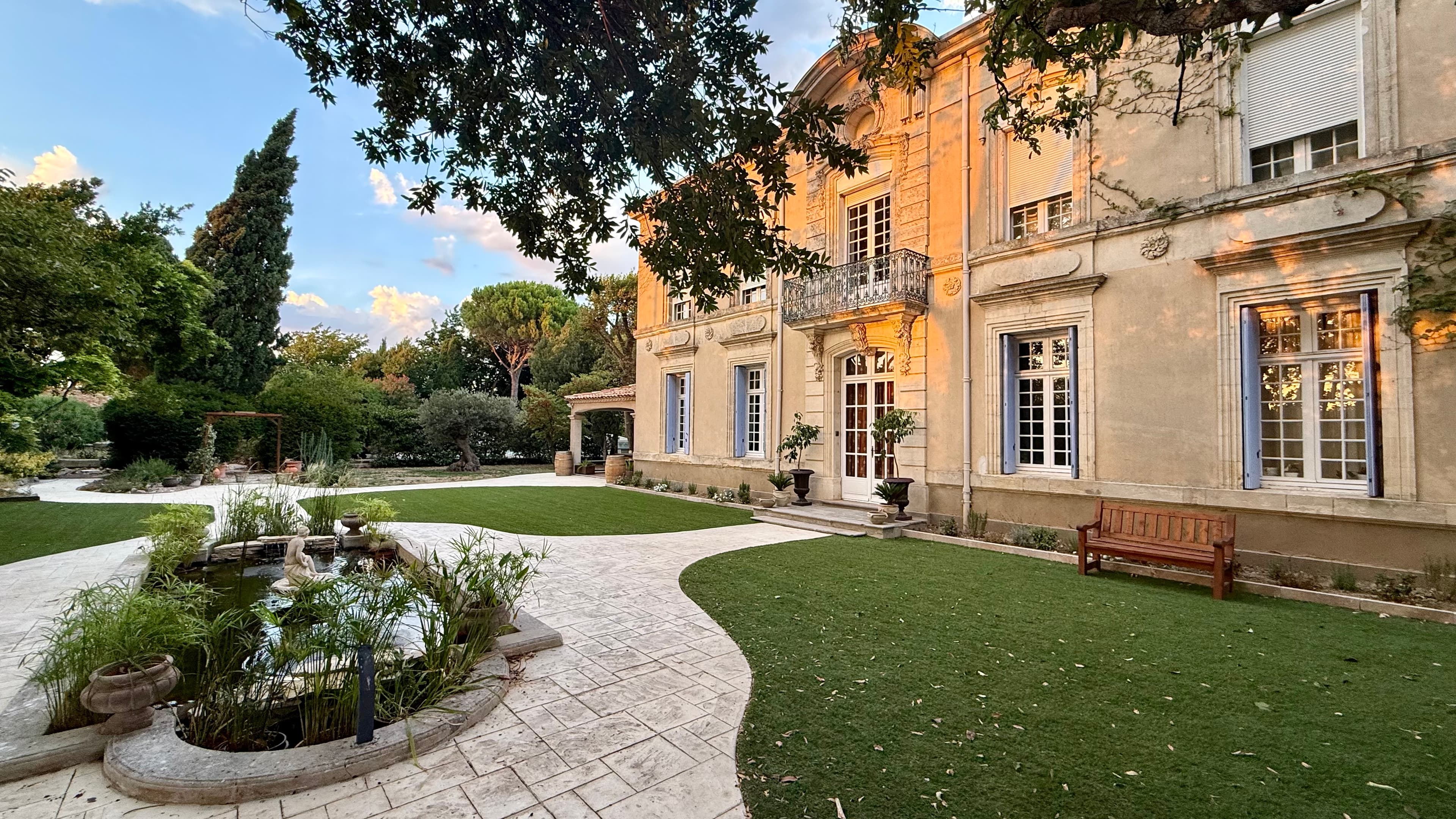
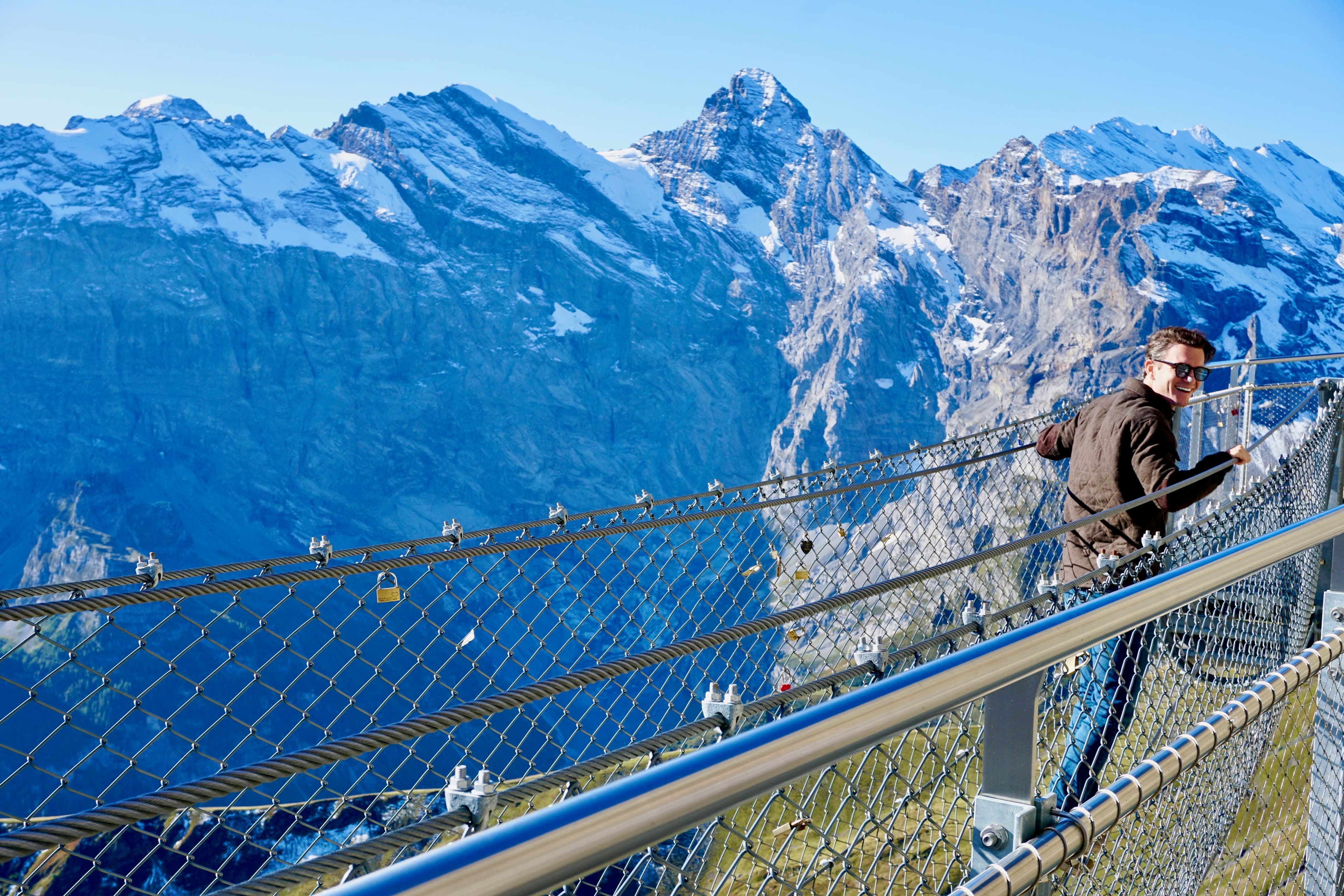
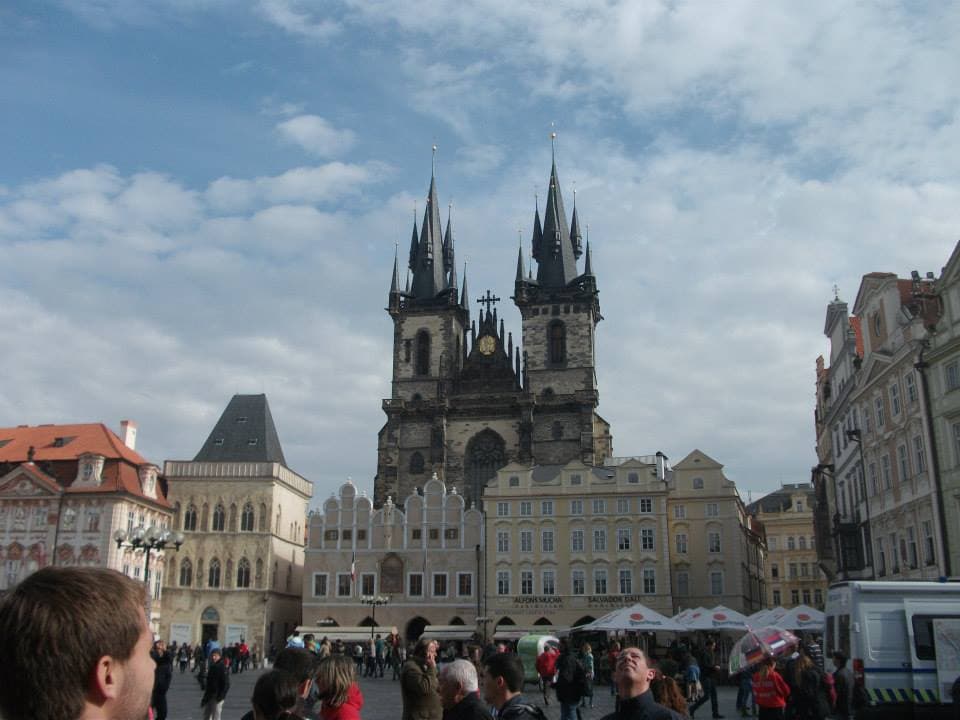
Scenes from Lyon, from Roman Fourvière to the bouchons and the Beaujolais vineyards, captured on my trip.
Most people know Lyon as the place France goes to eat. That reputation is earned, and we will get to it. But it undersells the city, because before Lyon was France's kitchen it was Rome's capital in Gaul, and the two rivers and two hills that shaped it are still the whole story.
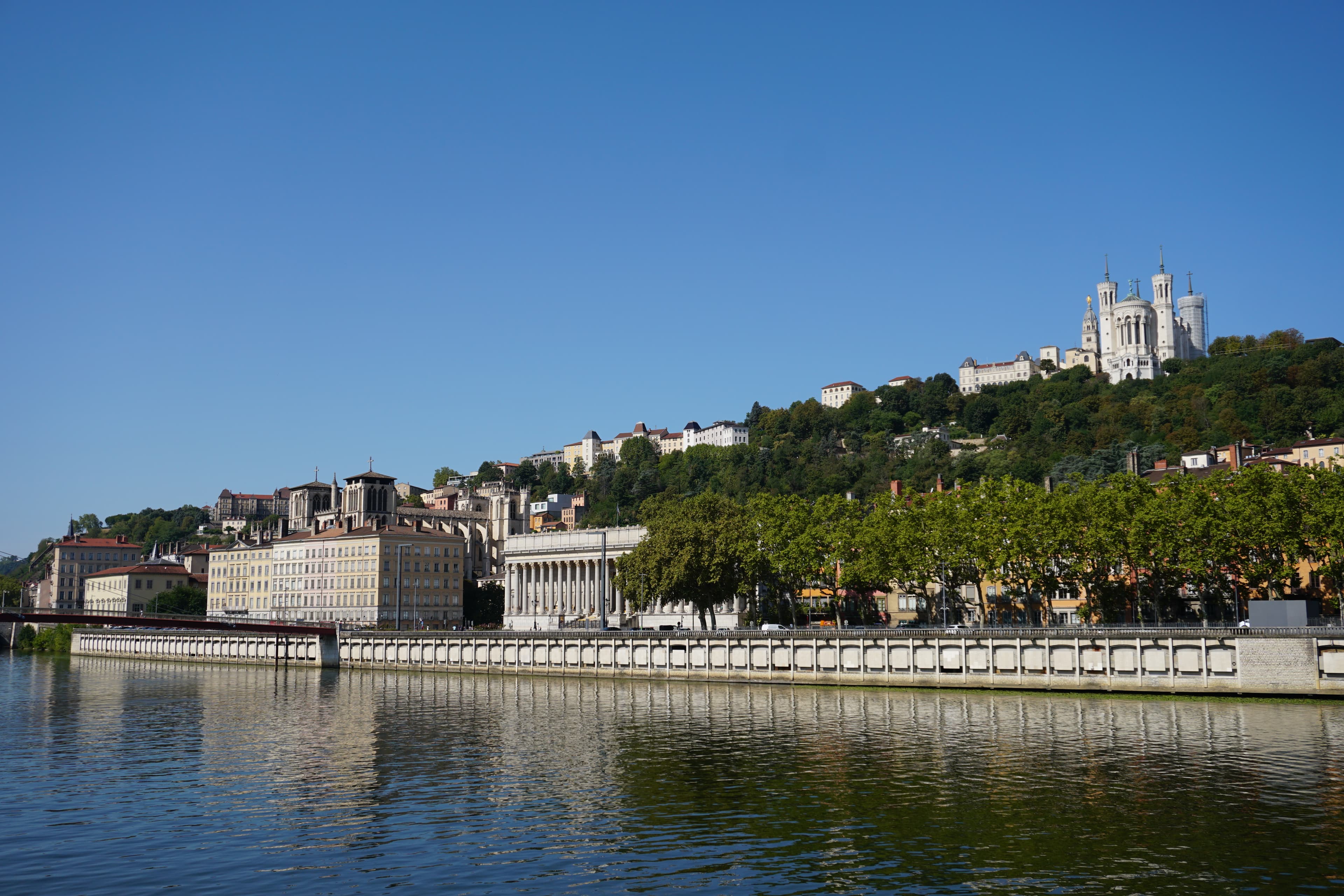
I arrived where the Rhône and the Saône meet, rented a small boat and cruised up the Saône beneath the old town, biked the riverbanks, climbed to the basilica that crowns the skyline, ate the way you are supposed to eat here, and took a day up into the vineyards of Beaujolais. Lyon rewards all of it. Here is how to use your time.
Why is Lyon considered the food capital of France?
Because the title predates any single chef. Lyon sits at the crossroads of France's best larder, between the poultry of Bresse, the wine of Burgundy and Beaujolais, and the produce of the Rhône valley, and it has been cooking seriously since the Renaissance silk trade made it rich.
The people who built the reputation were mostly women. The Mères Lyonnaises, the "mothers of Lyon," started as cooks for wealthy families and opened their own restaurants, and one of them, Eugénie Brazier, became the first chef ever awarded six Michelin stars at once, in 1933. The everyday version of that culture is the bouchon, the small, rich, family-run restaurants that emerged here in the 17th and 18th centuries and still serve the classics: quenelles, salade lyonnaise, andouillette. Start at Les Halles de Lyon Paul Bocuse, the covered market that functions as the city's pantry, and eat your way out from there.
What did Paul Bocuse do for Lyon?
He made it the center of modern French cooking. Paul Bocuse, born just outside Lyon in 1926, trained under Eugénie Brazier and went on to lead nouvelle cuisine, the movement that stripped French food of its heavy sauces in favor of lighter, seasonal, ingredient-led dishes. The food world called him the "pope of gastronomy," and he earned it.
The numbers back the title. His restaurant outside the city, L'Auberge du Pont de Collonges, held three Michelin stars every single year from 1965 to 2020, one of the longest unbroken three-star runs in the history of the guide. In 1987 he created the Bocuse d'Or, now the closest thing cooking has to a world championship, still held in Lyon every two years. The central market carries his name because, in a real sense, the modern reputation of the whole city carries it too.
Was Lyon really the capital of Roman Gaul?
It was, and the name gives it away. The Romans founded the colony of Lugdunum in 43 BC on Fourvière hill, above the meeting of the rivers, and it grew into the capital of the Three Gauls, one of the most important cities in the empire north of the Alps. The Emperor Claudius was born here. The modern word "Lyon" descends directly from "Lugdunum."
You can still sit in the proof. On the slope of Fourvière stands the Grand Théâtre, begun around 15 BC under Augustus, the oldest Roman theatre in France. Enlarged over the following century to hold as many as 10,000 spectators, it was quarried for stone in late antiquity, buried, and only fully excavated in the 20th century. It is not a ruin behind glass. Every summer it fills again for the Nuits de Fourvière festival, an audience sitting on 2,000-year-old Roman stone to watch a show.
Is the climb to Notre-Dame de Fourvière worth it?
Yes, for the building and the view both. The Basilica of Notre-Dame de Fourvière was built between 1872 and 1884 on the exact site of the old forum, which is where the hill gets its name: forum vetus, the old forum, worn down over centuries into "Fourvière." Its mix of Romanesque and Byzantine styles is so unusual that locals have always called it "the upside-down elephant," for the rounded body and four corner towers that look like legs in the air.
It sits at the top of what Lyon calls "the hill that prays," and from the esplanade beside it the whole city opens up, with the Alps on a clear day. The basilica is dedicated to the Virgin Mary, credited with sparing Lyon from the plague of 1643, and that vow is the origin of the Fête des Lumières, the Festival of Lights every December 8th, when the entire city fills windows with candles and lights up its facades. It began as a religious thank-you and is now one of the largest light festivals on Earth. Take the funicular up if your legs are done, but the climb is the better arrival.
What are the traboules, and why does Lyon have them?
They are the city's best-kept secret in plain sight: covered passageways that cut straight through the middle of buildings, linking one street to the next through private courtyards. Lyon has hundreds of them, concentrated in the old town and on the Croix-Rousse hill.
Their purpose was silk. Croix-Rousse is "the hill that works," the counterpart to Fourvière, and in the 19th century it was packed with canuts, the silk weavers who made Lyon the silk capital of Europe. The traboules let them carry bolts of finished silk across town under cover, out of the rain that would ruin it. A century later, the same hidden network let the French Resistance move through the city and vanish during the Second World War. Most are unmarked and easy to walk straight past. Push on a few heavy doors in Vieux Lyon and you will find them.
Should you day trip to Beaujolais?
If you have a spare day, yes. Beaujolais begins less than an hour north of Lyon and is built almost entirely on one grape, Gamay, grown on pink granite hills that give the wine its lift. Most of the world knows the region only for Beaujolais Nouveau, the young, fruity wine released to a global party every third Thursday of November, and that marketing success has badly undersold the place.
The wines worth the trip are the ten crus in the granite north, village appellations like Fleurie, Morgon, and Moulin-à-Vent that produce structured, age-worthy reds often compared to red Burgundy at a fraction of the price. I spent my day among the vineyards and villages north of the city and would happily have stayed the night. Go for the crus, not the Nouveau.
Where to stay in Lyon
Base yourself in Vieux Lyon, the Renaissance old town below Fourvière, and you are steps from the funicular, the traboules, and the river, in one of the largest surviving Renaissance quarters in Europe and part of the UNESCO World Heritage site Lyon received in 1998. For food and nightlife, the Presqu'île, the narrow tongue of land between the two rivers, puts you in the middle of everything. Wherever you land, do what I did and get down to the water: rent a boat on the calm Saône, or just bike the long riverbanks in the evening when the whole city comes outside.
Use the map below to compare stays across Vieux Lyon, the Presqu'île, and the riverfront.
These are affiliate links — booking through them supports Viator Modus at no extra cost to you. Same room, same price, it just helps keep the guides coming.
Found this useful?
If this guide helped plan your trip to Lyon, you can help fund the next one.
Buy me a coffee →