North America
Crossing Panama by bus and boat: Bocas del Toro's banana-empire history, Boquete's record-breaking coffee, Casco Viejo, and the Miraflores Locks.
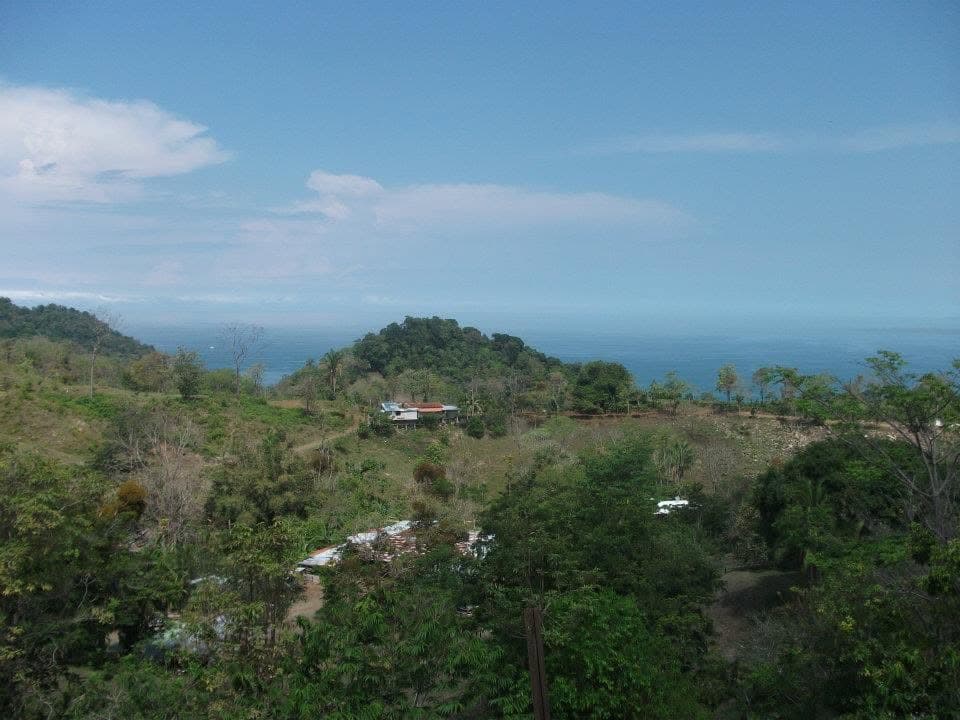
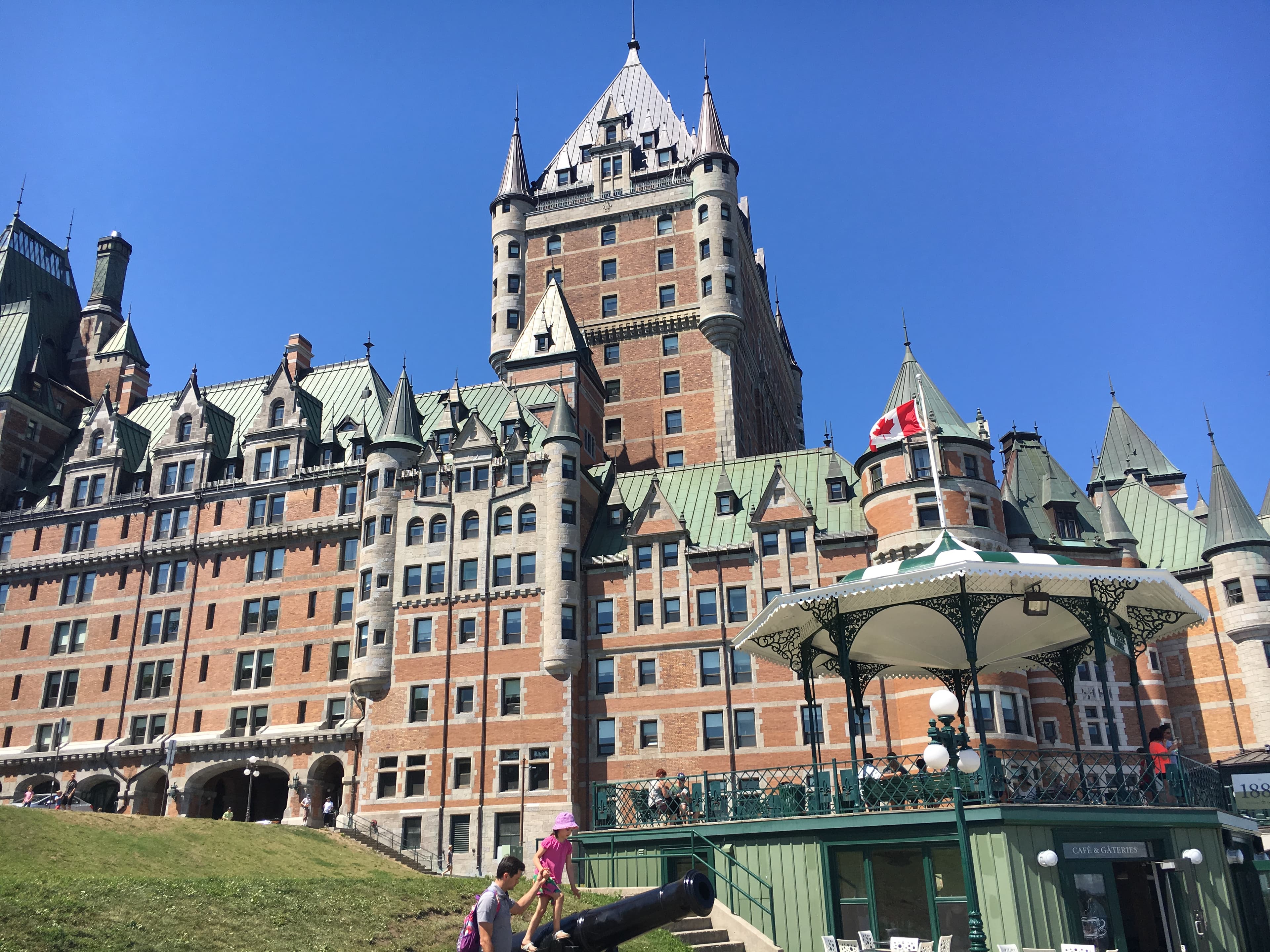
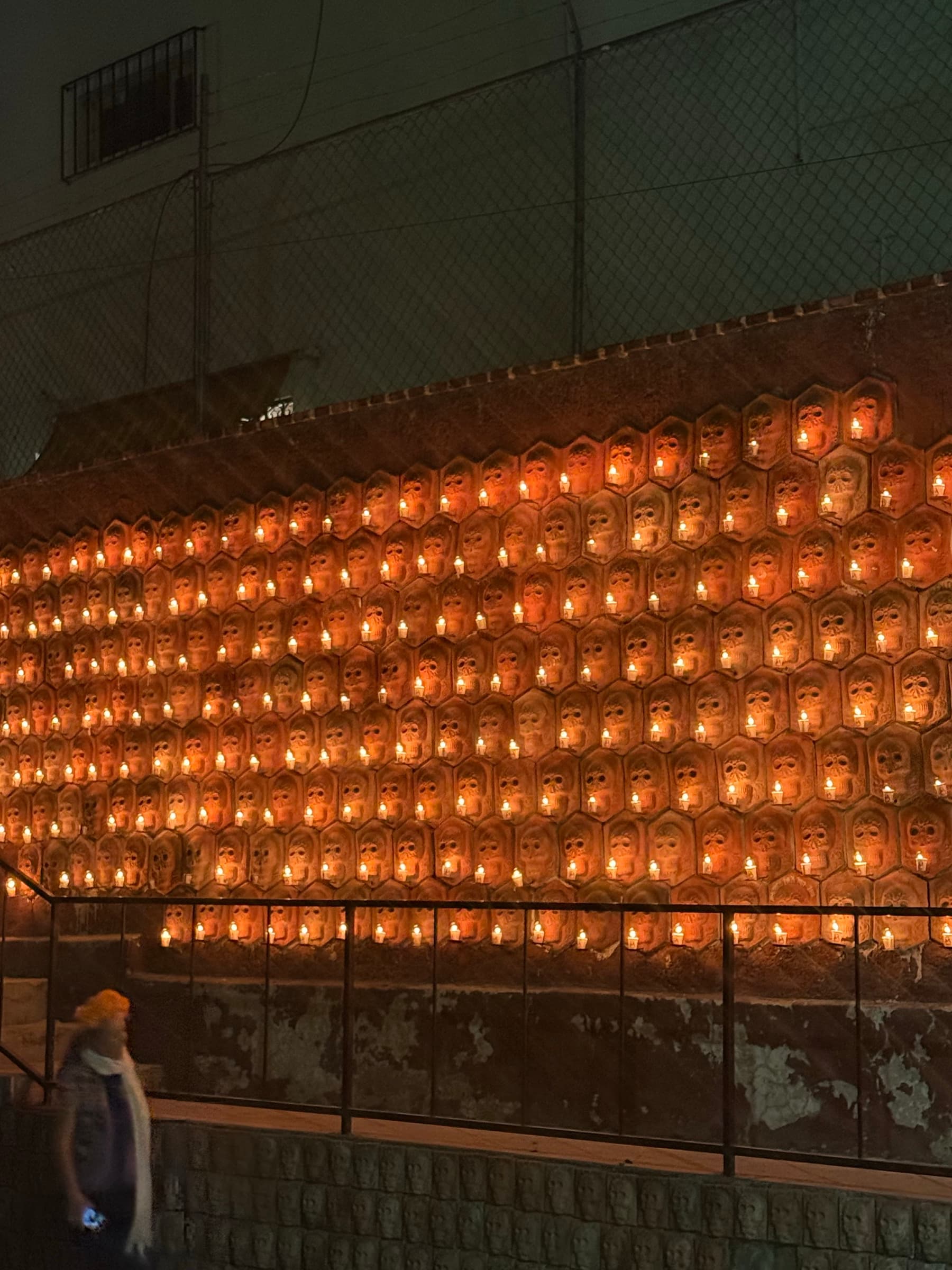
Panama overland, from the Boquete highlands to Panama City and the Miraflores Locks, captured on my trip.
Panama is the only place on Earth where you can watch a 50,000-ton ship climb a staircase of water between two oceans, and most travelers see it from a tour bus window on day one. In May 2012 I came at it from the opposite direction: overland from Puerto Viejo de Talamanca in Costa Rica, across the border at Sixaola, out to the islands of Bocas del Toro, up into the coffee highlands of Boquete, and finally down to Panama City and the canal. Local buses, water taxis, and no smartphone map. This is that route, updated with what you need to know today.
How do you cross the border from Costa Rica to Panama at Sixaola?
The Sixaola to Guabito crossing is the main land border on the Caribbean side, and it is the natural next step after Puerto Viejo. You get stamped out in Sixaola, walk across the bridge over the Sixaola River, and get stamped into Panama at Guabito. When I crossed, that meant walking the old banana-company railway bridge. It has since been replaced.
Three things to know before you go:
- Set your watch forward. Panama is one hour ahead of Costa Rica.
- Carry US dollars in cash. Panama uses the US dollar, and many transactions in Bocas del Toro are cash only.
- Start early. The full trip from Puerto Viejo to Bocas Town takes most of a morning with connections.
How do you get from the border to Bocas del Toro?
From Guabito, a local bus or shared taxi runs to the port town of Almirante, roughly an hour's drive through banana plantations. In Almirante you switch to a water taxi for the ride across the bay to Isla Colón, the archipelago's main island and home to Bocas Town. Water taxis run frequently throughout the day.
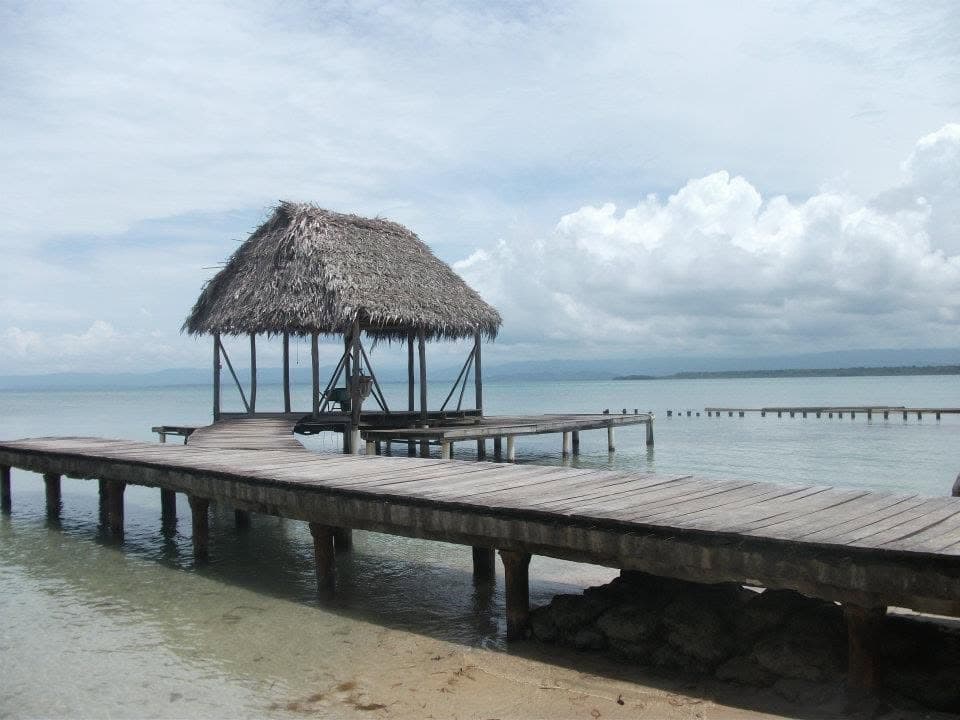
Bocas del Toro is an archipelago reachable only by boat or plane, which is a big part of why it still feels like a frontier.
Why was Bocas del Toro once the capital of a banana empire?
Christopher Columbus sailed into these waters in October 1502 on his fourth and final voyage, and the main island still carries his name: Isla Colón. Four centuries later, bananas made it briefly one of the most important places in Central America.
American growers started planting bananas here in the 1890s, and in 1899 their farms were absorbed by the newly formed United Fruit Company, which made Bocas Town its headquarters. Workers arrived from Jamaica and the Colombian islands of San Andrés and Providencia, and by the 1920s Bocas Town had more than 20,000 residents. Then disease hit the plantations, the company moved its operations to the mainland, and the town faded.
That collapse is why Bocas looks the way it does today. The colorful wooden buildings along the waterfront were built in the banana era, and the English-based Bocas del Toro Creole you hear on the street traces back to those West Indian workers.
What should you do in Bocas del Toro?
Use Bocas Town as your base and get on the water every day:
- Find the red frogs on Isla Bastimentos. I found them there myself, and they are smaller than you expect. The strawberry poison dart frog lives along the Caribbean coast from Nicaragua to Panama, but nowhere does it come in more colors than in Bocas del Toro. Depending on the island, the same species can be red, orange, yellow, green, or blue. Bastimentos is a 10-minute water taxi from Bocas Town, and Red Frog Beach is named after them.
- Take the bus to Bocas del Drago. A shuttle runs from the market in Bocas Town to the far end of Isla Colón, where you can walk the shoreline to Playa Estrella.
- Book a snorkel day trip to Dolphin Bay and the Zapatilla Cays.
I left Bocas with a souvenir most travelers don't: a gecko tattooed on my right shoulder. I grew up in Hawaii, where geckos are part of everyday life, and I loved them as a kid. Getting one inked on another tropical island felt like closing a loop. If you plan to get tattooed here, ask your artist about swimming before you book, because island days revolve around the water.
Where should you stay in Bocas del Toro?
Stay on Isla Colón if you want restaurants, bars, and easy water taxi connections. Bastimentos, a short boat ride away, is quieter and closer to the beaches and wildlife.
These are affiliate links — booking through them supports Viator Modus at no extra cost to you. Same room, same price, it just helps keep the guides coming.
Why is Boquete coffee the most expensive in the world?
From Bocas, you take the water taxi back to Almirante and then head over the mountains to Boquete, a cool highland town in Chiriquí province. Coffee has grown here for more than a century, but the variety that made it famous is Geisha.
In August 2025, a 20-kilogram lot of washed Geisha from Hacienda La Esmeralda in Boquete sold at the Best of Panama auction for $604,080. That is $30,204 per kilogram, a world record for coffee and triple the previous high. The lot scored 98 out of 100, the highest washed Geisha score in the competition's history. High elevation, volcanic soil, cool temperatures, and constant mist all play a part in its floral, tea-like flavor.
You don't need to pay auction prices to taste it. I did a coffee tour in Boquete, and it is the best way to understand why these beans cost what they do: you walk the steep, misty slopes where the plants grow, then taste the difference in the cup. Several family farms around town run tours with tastings.
Can you really see two oceans from Volcán Barú?
Yes, on a clear morning. Volcán Barú towers over Boquete at 3,474 meters, making it Panama's highest point. Because the isthmus is so narrow, you can see both the Pacific Ocean and the Caribbean Sea from the summit. It is also the only place in tropical Panama where temperatures drop below freezing.
The volcano is technically active but hasn't erupted since the 16th century. The trail to the top runs about 13 km, and hikers start in the middle of the night to reach the summit before clouds roll in. The driest, clearest months are December through February.
How do you get from Boquete to Panama City?
Take a local bus down to David, Panama's main city in the west, then connect to a long-distance bus to Panama City's Albrook terminal. It is a full travel day, but it shows you how much the landscape changes as you go from cloud forest down to the Pacific lowlands.
Why is Casco Viejo built on a peninsula?
Because the original Panama City was destroyed. Panamá Viejo, founded in 1519 (according to tradition on August 15), was the first European city on the Pacific coast of the Americas. In 1671 the Welsh privateer Henry Morgan sacked it, and it was never rebuilt. On January 21, 1673, the Spanish founded a new city on a rocky peninsula they could defend with walls. That city is Casco Viejo.
In 1997, UNESCO declared Casco Viejo a World Heritage Site, and in 2003 it extended the listing to include the ruins of Panamá Viejo. What you see today is mostly French and early American architecture layered over the colonial street plan, a record of each boom in trade across the isthmus. After decades of decline, the neighborhood has been heavily restored, and it is now the best place in the city to stay, eat, and walk at sunset.
Is the Miraflores Locks visitor center worth it?
Yes. Miraflores is the easiest set of locks to visit from the city, and the viewing platform puts you right above the chambers as ships pass through. Its two chambers raise or lower ships 16.5 meters between the Pacific and Miraflores Lake, and many of the gates still in use are the originals from 1914. Go when ships are scheduled to transit, and you'll watch a vessel the length of a city block rise or fall in minutes.
What do most visitors miss about the Panama Canal?
- It runs the "wrong" way. Panama curves, so the Pacific entrance is east of the Atlantic entrance. Ships going from the Atlantic to the Pacific actually travel southeast.
- The French tried first and lost more than 20,000 lives. Ferdinand de Lesseps, who built the Suez Canal, led a sea-level attempt in the 1880s that collapsed under yellow fever, malaria, and landslides. The United States took over in 1904.
- It opened on August 15, 1914, when the SS Ancon made the first official transit.
- Panama has run it since 1999. Under the 1977 Torrijos–Carter Treaties, Panama took full control at noon on December 31, 1999.
- The cheapest toll ever paid was 36 cents. In 1928, adventurer Richard Halliburton swam the length of the canal and was charged by his body weight.
- It got bigger in 2016, when a third set of locks opened to handle the giant ships the original 1914 chambers couldn't fit.
How long do you need for this Panama route?
Plan at least 10 days: three or four in Bocas del Toro, two or three in Boquete, and three in Panama City, with full travel days in between. If time is short, fly into Bocas or David and save the buses for the legs you care about most.
Panama rewards travelers who go overland. In two weeks you cross from the Caribbean to the Pacific, from banana-company towns to coffee farms selling beans for more than $30,000 a kilogram, and end at the waterway that changed global trade. Most visitors only see the last part.
Found this useful?
If this guide helped plan your trip to Panama, you can help fund the next one.
Buy me a coffee →