South America
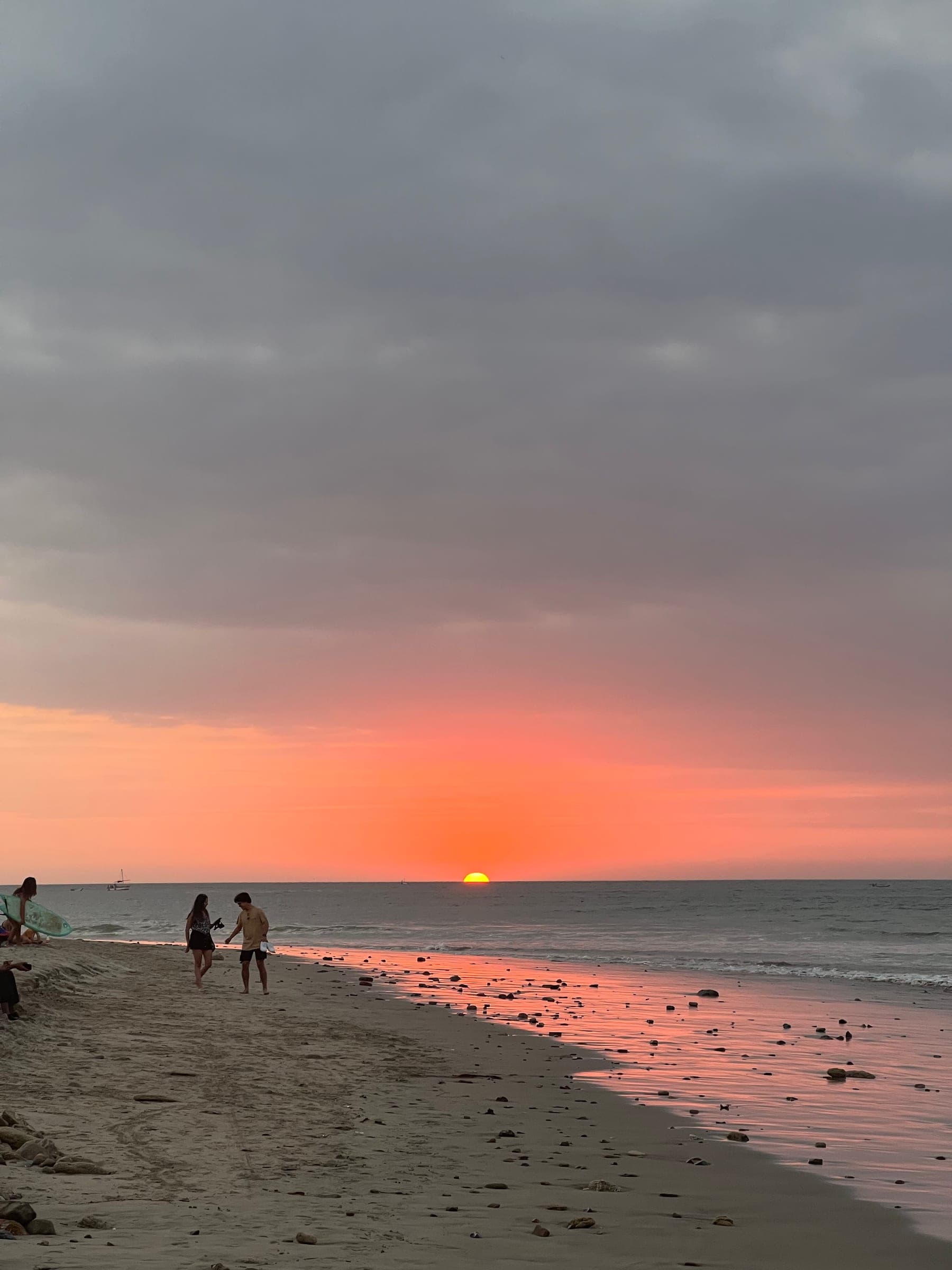
Mancora is Peru's original surf town, a long stretch of golden beach on the country's far north coast where the desert meets the Pacific and the water stays warm enough to swim year-round. Once a quiet fishing village, it's now the kind of place where barefoot travelers, Lima weekenders, and serious surfers all coexist in a lazy, sun-drenched rhythm. The town itself is small and unpretentious: dirt roads, open-air seafood restaurants, and beach bars that stay alive until the last person leaves. But the real draw is the coastline, endless left-hand breaks, turquoise water that feels more Caribbean than Pacific, and sunsets that set the whole sky on fire.
Things to Do
Surf, obviously, Mancora has some of the most consistent left-hand breaks in South America, and there are board rentals and surf schools all along the main beach. For beginners, the gentler waves at nearby Los Organos or Vichayito are a better entry point. Take a day trip to the thermal mud baths at Poza de Barro Hondo, about an hour inland, natural hot springs in a quiet desert setting that feels worlds away from the beach. Rent a moto-taxi or ATV and explore the surrounding coastline: the beaches at Pocitas and Cabo Blanco (where Hemingway once fished) are quieter and just as beautiful. In town, the main drag is lined with cevicherias and picanterias, block out time for long lunches of just-caught seafood and cold beer. And don't skip the sunset: the sky here goes through every shade of orange and pink, best watched from a beachfront bar with a Pisco sour in hand.
Best Time to Visit
Mancora is warm year-round, but the best window is April to November, drier, sunnier, and with cleaner surf swells. December to March is the warmer, more humid wet season; it rarely rains all day, but afternoon showers are common and the humidity can be intense. Peruvian holidays (especially January, Easter week, and July 28) bring crowds of domestic tourists from Lima, so book ahead if you're visiting then. Serious surfers often prefer the shoulder months of April–May and September–October for the best combination of consistent waves and fewer people.
Where to Stay
The beachfront strip along the main road has the widest range of options, from backpacker hostels with poolside bars to boutique eco-lodges that blend into the sand and palms. For a quieter vibe, look just south in Vichayito or Los Organos, small beach communities with fewer people and a more relaxed pace. Avoid staying too far inland unless you have your own transport; the charm of Mancora is being able to walk barefoot from your room to the water. A handful of higher-end wellness retreats have opened in recent years for travelers who want spa treatments and yoga alongside their surf sessions.
Budget: Loki Mancora, beachfront party hostel with a pool, the default for budget travellers and surfers.
Mid-range: DCO Suites, Lounge & Spa, adults-only boutique on Las Pocitas beach, quieter than central Mancora.
Luxury: KiChic, small, design-led wellness retreat on a quiet stretch of sand, with yoga and a notable kitchen.
These are affiliate links — booking through them supports Viator Modus at no extra cost to you. Same room, same price, it just helps keep the guides coming.
Getting Around
Mancora is tiny, you can walk the entire town in under 20 minutes. For anything further afield, moto-taxis are everywhere, cheap, and part of the experience (just agree on a price before hopping in). Many travelers rent bicycles or ATVs for the day to explore the coast at their own pace. If you're coming from Lima, the most reliable route is a domestic flight to Talara (45 minutes by road) or Piura (2.5 hours by road), followed by a shared colectivo or private transfer. There's also a comfortable overnight bus from Lima for those who want to save money and don't mind the 18-hour journey.
Hidden Gems
Walk south past the main beach until you reach Pocitas, a series of natural tidal pools carved into the rocks that warm up like bathwater at low tide, almost entirely overlooked by the tourist crowd. The ceviche at the small family-run stalls near the old fishing pier is fresher and half the price of anything on the main strip. For a completely different landscape, head inland to the dry forest around Quebrada Fernandez, a short hike through a rare patch of equatorial dry forest with howler monkeys and endemic birds. And if you're around in late October or early November, ask locally about the turtle release programs; several conservation groups in the area let visitors help baby sea turtles make their first journey to the water.