South America
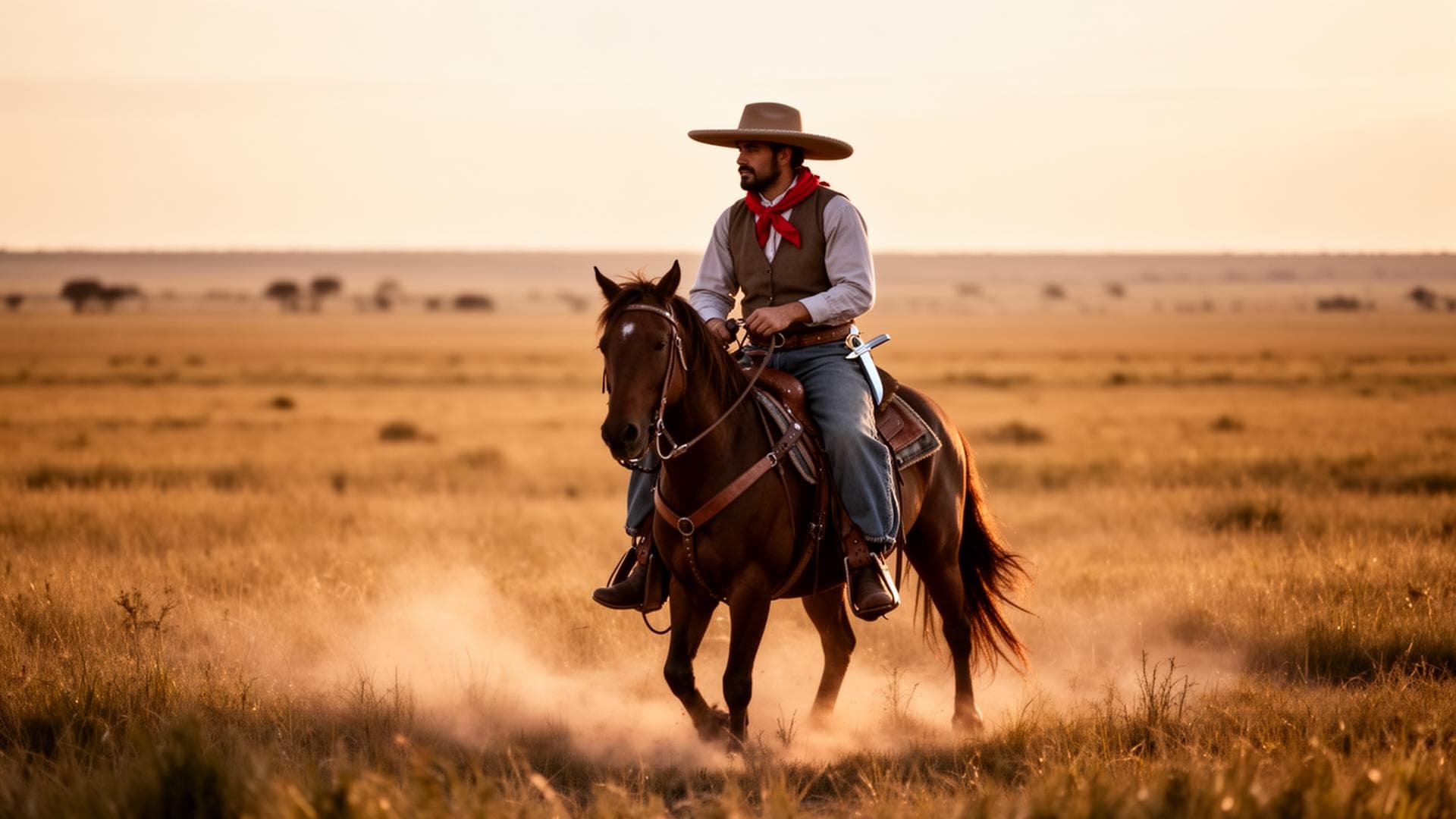
San Antonio de Areco is the spiritual home of Argentine gaucho culture, a perfectly preserved 18th-century town on the Pampas, two hours from Buenos Aires, where the traditions of the South American cowboy are not a tourist performance but a living way of life. If you want to understand Argentina beyond Buenos Aires, this is where to start.
Things to Do
The Museo Gauchesco Ricardo Güiraldes is the essential starting point, set on a working estancia, it traces the history and mythology of the gaucho through artifacts, tools, and the landscape itself. The town's cobblestone streets and colonial architecture are best explored on foot, with the Puente Viejo (the old stone bridge over the Areco River) as the iconic landmark. Visiting a working estancia for an asado and traditional horsemanship demonstration gives direct access to gaucho culture in its natural context, several estancias outside town offer half-day and full-day experiences. November brings the Día de la Tradición festival, the single best gaucho cultural event in Argentina, drawing riders from across the Pampas.
Best Time to Visit
San Antonio de Areco is a year-round destination given its proximity to Buenos Aires and the mild Pampas climate. Spring (October–November) is the best time to visit, the countryside is green, temperatures are pleasant, and the Día de la Tradición festival in mid-November is the cultural highlight of the Argentine gaucho calendar. Summer (December–February) is hot but manageable. Winter is cool and quiet, with the town largely to itself outside of weekends.
Where to Stay
The town itself has a handful of charming boutique hotels and posadas within walking distance of the main plaza, staying in town gives you the full atmosphere of the streets in the evening when day-trippers have left. For a more immersive experience, several historic estancias outside town offer overnight accommodation, horseback riding, and full gaucho immersion, a genuinely worthwhile splurge for one night.
Budget: Hotel San Carlos, simple, central hotel two blocks from the main plaza, a long-standing budget choice in town.
Mid-range: Patio de Moreno, restored 1900s townhouse turned boutique with just a handful of rooms around a green patio.
Luxury: Estancia La Bamba de Areco, Relais & Châteaux working estancia outside town, with horseback riding and asado on the grounds.
These are affiliate links — booking through them supports Viator Modus at no extra cost to you. Same room, same price, it just helps keep the guides coming.
How do you get to San Antonio de Areco from Buenos Aires?
I'd booked two weeks in Recoleta as a workation and went looking for somewhere close to break up the city, and given the town's gaucho pedigree, Areco was a no-brainer. It's easy to reach: a Chevallier bus from Retiro terminal runs the roughly 115 km northwest in about two hours, and the same two hours back. I went on a Sunday, which is the day to do it. Parrillas were set up and grilling around town, leaning into the Argentine Sunday-asado ritual, and the streets had the unhurried weekend feel the town does best. Areco is small enough to see on foot in a day and still be back in Buenos Aires by night.
Why is Areco the home of gaucho culture?
The town's claim rests partly on a book. Ricardo Güiraldes, born into a landowning Areco family, wrote Don Segundo Sombra in 1926 (the novel that fixed the gaucho in Argentina's national imagination), and the museum that anchors the town, the Museo Gauchesco y Parque Criollo Ricardo Güiraldes, was built in his name and opened in 1936. You enter through a re-created pulpería (the rural tavern-and-store that was the gaucho's social hub), set up as one would have looked when the first opened here in 1850. I spent my visit working through it and then just walking: cobblestone streets, the old stone bridge over the river, parrillas and shopfronts, no performance to any of it. Areco doesn't stage gaucho culture for tourists so much as keep living it, which is the whole reason to come.
The town is old by Argentine standards, too: founded in 1730 around a chapel to Saint Anthony, it's one of the oldest towns in Buenos Aires Province. The Puente Viejo, the low pink bridge over the Areco River, went up in 1857 as one of the first toll crossings in the country and is now a national monument. And Areco has hosted the Día de la Tradición, Argentina's oldest gaucho festival, every November since 1939, the one weekend the town fills with riders in from across the Pampas.
Hidden Gems
The silversmith workshops (plateros) of San Antonio de Areco are some of the finest in Argentina, gaucho silverwork (belt buckles, stirrups, knife handles) is a serious art form here and several family workshops welcome visitors. The Parque Criollo on the edge of town is quiet on weekdays and offers beautiful river walks with horses grazing in the background. And if you time it right, watching the local gauchos ride in on a Saturday morning for the weekly gathering at one of the almacén de campo (traditional general stores) is as authentic as Argentina gets.
For more of the Río de la Plata and Argentina beyond Buenos Aires, read next: my guides to Colonia del Sacramento across the river in Uruguay, and the wine country of Mendoza.
Found this useful?
If this guide helped plan your trip to San Antonio de Areco, you can help fund the next one.
Buy me a coffee →