Europe
You can drive the entire Ring Road around Iceland in one week, but only if you treat it as a sprint instead of a savor. I looped all 1,322 km of Route 1 clockwise from Reykjavík in a 2WD sedan — long driving days, a country that changes character every twenty minutes, and a few famous stops that are honestly worth skipping. Here is exactly how the week broke down, what to prioritize, and where most travelers waste their time.
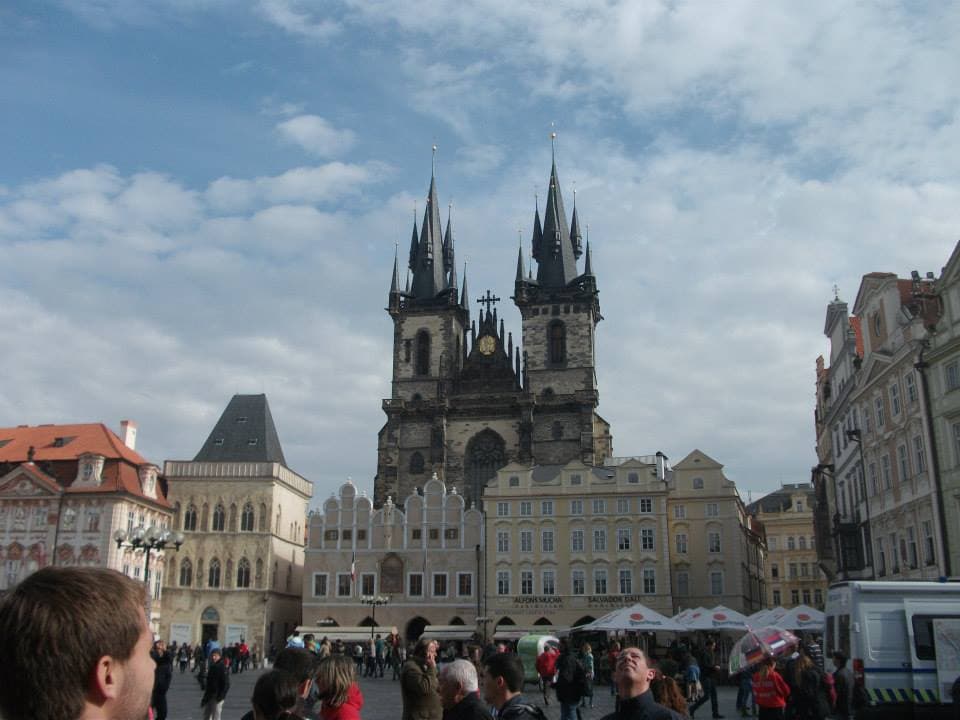
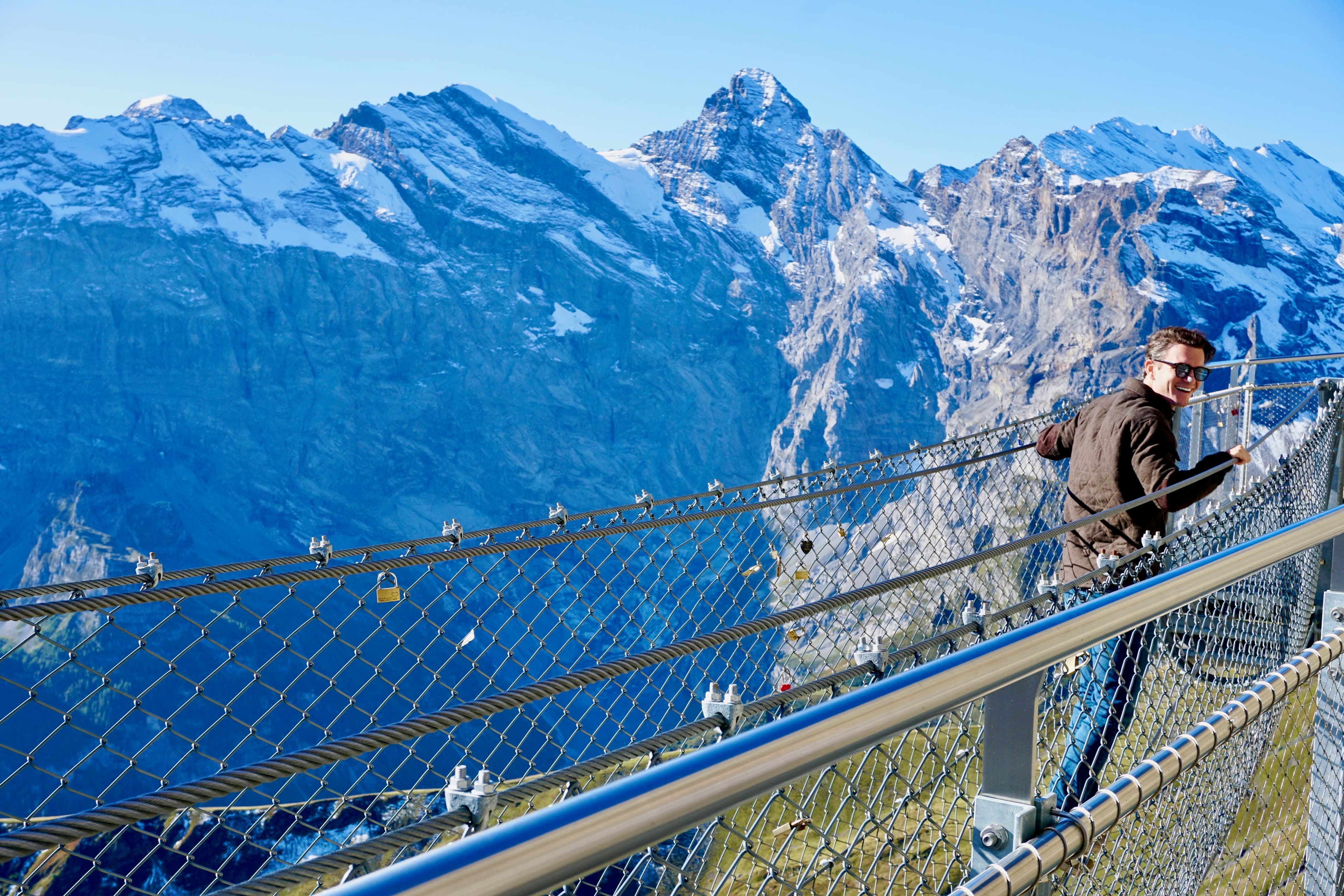
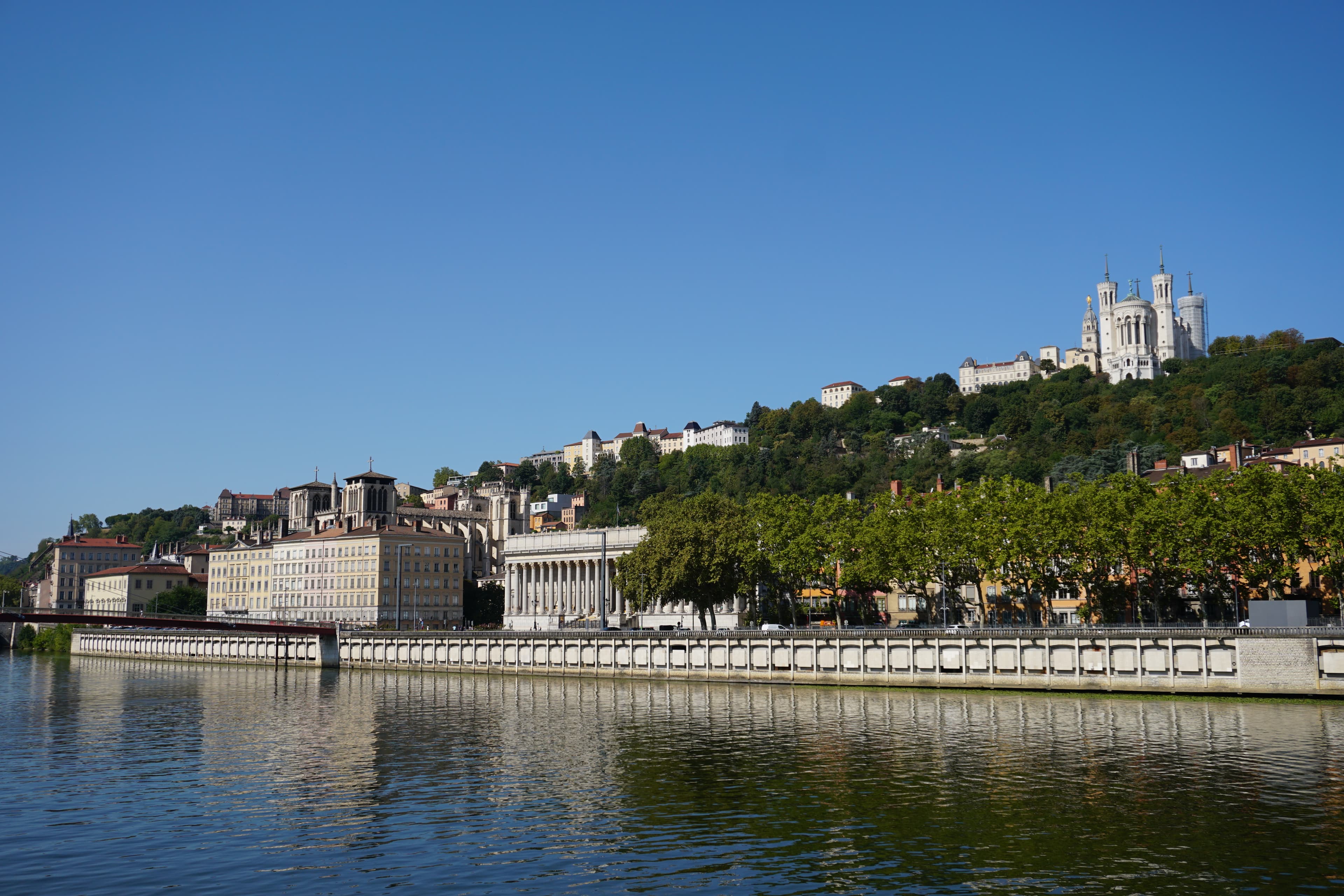
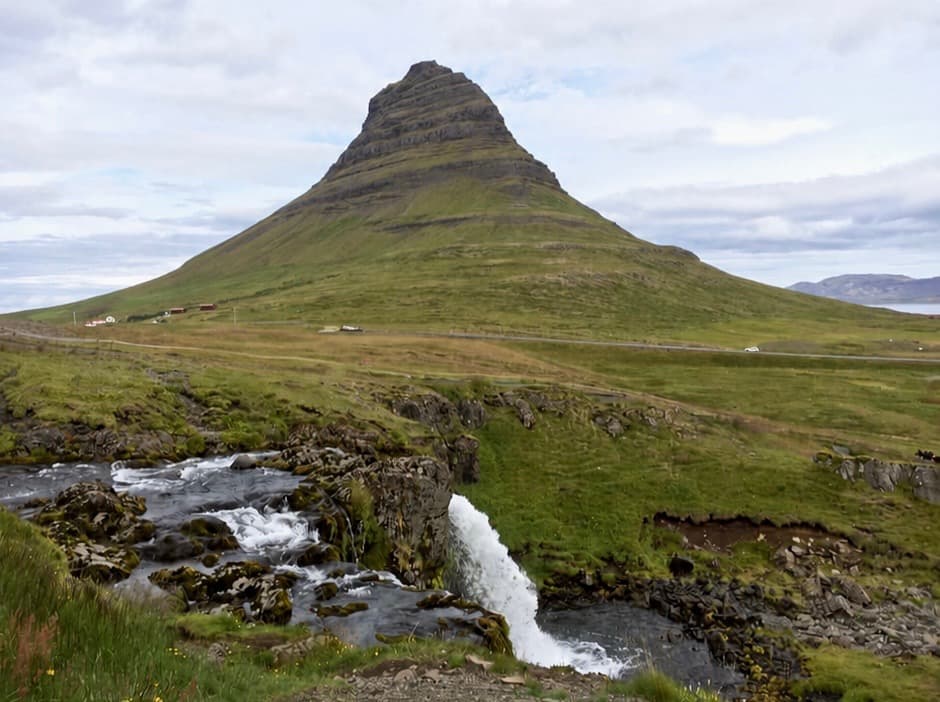
Scenes from a one-week lap of Iceland's Ring Road — captured on my trip.
Most people give Iceland's Ring Road ten days to two weeks. I gave it seven, clockwise from Reykjavík, in a rented 2WD sedan — and the lap is absolutely doable in that time as long as you go in knowing the deal: some of these legs are drive-throughs, the famous stuff is not always the good stuff, and your wallet stays open the entire time. This is the sprint version of the loop, leg by leg.
Before You Go: Rent Local, and Budget for the Shock
The single best decision I made was skipping the big-name rental chains at Keflavík and booking with a smaller local company instead. They were easier to deal with at every step, and far more forgiving about the minor dings and scratches that gravel, wind-blown grit, and one-lane bridges will inevitably leave on a car. A major chain will nickel-and-dime you for every scuff; a local outfit shrugs it off. On a week of long driving days, that peace of mind is worth more than a slightly lower headline rate.
The other thing to internalize early: Iceland is expensive across the board. Fuel, groceries, a gas-station hot dog, a sit-down dinner — all of it costs more than you expect. Assume that going in and you won't spend the trip flinching.
I flew a red-eye into Keflavík and burned the early-morning hours waiting for the rental desk to open. Build that dead time into day one rather than pretending you'll hit the road at dawn.
Day 1: Reykjavík to Akureyri via Snæfellsnes and Kirkjufell
From the airport I pointed the car northwest onto the Snæfellsnes peninsula for Kirkjufell and its waterfall, Kirkjufellsfoss. Kirkjufell is the most-photographed mountain in Iceland, and if the shape looks familiar even before you arrive, that's because it played the arrowhead-shaped mountain north of the Wall in Game of Thrones, in the Beyond the Wall sequences of seasons 6 and 7. The mountain and the waterfall sit close enough to frame together, which is the whole reason the spot is famous.
From there it's a long haul north and east to Akureyri. This is a big driving day — the kind that makes a one-week lap possible and also reminds you, somewhere around hour five, exactly what you signed up for.
Day 2: The Lake Mývatn Lagoon and the Mountains Above Akureyri
Everyone saves the Blue Lagoon for their last day, queues up with the airport crowd, and pays a premium for the privilege. There's a better version of it in the north, and almost nobody routes through it. The Mývatn Nature Baths sit in a lava field about 90 km east of Akureyri — a milky-blue geothermal lagoon looking out over Lake Mývatn. Better view, fewer people, smaller bill. It's smaller than the Blue Lagoon and, in every way that counted for me, better.
One catch if you're planning around it right now: the baths closed on January 1, 2026 for a full rebuild and are set to reopen as Earth Lagoon Mývatn in summer 2026 — expected late June or early July, though no firm date has been confirmed. Confirm it's actually running before you build a day around it.
The bigger surprise that day wasn't the water — it was the mountains on Akureyri's doorstep. Most people treat the town as a bed for the night and keep driving. They're wrong. I hiked Súlur, the peak that rises straight above town, from the Bílaplan trailhead, and the views back over the fjord were the best I earned on foot the entire trip. The whole area around Akureyri is more dramatic than its reputation lets on, and you only see it if you stop moving for a few hours. If you build one proper hike into the sprint, make it this one.
Day 3: Akureyri to Djúpivogur — the Best Drive of the Trip
The drive east toward Djúpivogur is the one I'd go back for. The landscape rewrites itself roughly every twenty minutes: the terrain, the light, and the weather all shift, so you cycle through what feels like several different countries before lunch. I stayed at a homestay just outside Djúpivogur and would do exactly that again.
One warning, and take it seriously: avoid the Öxi Pass (Route 939) unless conditions are clearly good and you have the right vehicle. It's a steep, narrow gravel shortcut — grades reaching around 20 percent — that shaves about 71 km off the Ring Road between Djúpivogur and Egilsstaðir, and in clear weather it's a genuinely great drive. I hit it in dense fog in a 2WD sedan, near-zero visibility, crawling the entire way. It's closed in winter and miserable in poor weather. Without a 4WD and a clear sky, it is not worth it — the longer paved route is right there, and you'll actually see something.
The payoff came at 6 a.m.: Djúpavogskörin, a small man-made hot pot sitting right off Route 1 outside Djúpivogur, with fjord and ocean views and zero facilities — no changing room, no attendant, nothing. I had it entirely to myself. Fair warning: the water runs scalding hot, so ease in slowly rather than committing all at once.
Day 4: Djúpivogur to the South Coast via Höfn
South from Djúpivogur, past Höfn, you merge onto Iceland's busiest stretch. This is where the tour buses materialize and the solitude ends — the south coast is the most-trafficked route on the whole loop, and you'll feel the crowd shift the moment you reach it.
The black-sand beach at Reynisfjara, near Vík, lives up to it: black volcanic sand, basalt columns, and sea stacks offshore. It's also genuinely dangerous — the sneaker waves here have killed people — so respect the warning signs and keep well back from the water line.
Skip this one: the Sólheimasandur plane wreck. The crashed DC-3 sitting on the black sand gets hyped relentlessly, but reaching it means a flat, monotonous 3.5 km walk each way from the parking lot — close to two hours round trip — to stand in front of a stripped-out fuselage that's underwhelming the second you arrive. There's no payoff proportional to the effort. Spend that time on the coast or back in the car; you won't miss anything.
Day 5: Þingvellir — Walking Between Two Continents
Þingvellir was one of my favorite stops of the entire trip. Iceland is one of the few places on Earth where the Mid-Atlantic Ridge rises above sea level, and at Þingvellir you can walk straight through the rift between the North American and Eurasian tectonic plates. Get the geology right, because most people say it backwards: these two plates are pulling apart — a divergent boundary, drifting roughly 2 cm a year — not crashing together. The valley you're standing in is the gap they've left behind.
And it isn't only geology. Þingvellir is where Icelanders founded the Alþingi in 930 AD, making it one of the oldest parliaments in the world, and the park has been a UNESCO World Heritage Site since 2004. Most visitors photograph the rift and walk out never realizing they were standing in the birthplace of a nation's government. That's the part worth slowing down for — it's not just a place where the Earth is splitting, it's where Iceland started.
Day 6: Grindavík and the Blue Lagoon (Set Your Expectations)
Grindavík, the town next to the Blue Lagoon, is small and — being honest — not worth a stop on its own merits. It's also been at the center of the Reykjanes eruptions: the town was evacuated in November 2023, and a series of eruptions has continued in the area since. As of mid-2026 there is no active eruption and the Blue Lagoon is operating, but Grindavík itself remains under an official volcanic hazard assessment (in effect through at least June 30, 2026) and is largely off-limits, so don't plan on wandering the town. This is the one part of the route that genuinely changes month to month — check the current status before you go rather than trusting any guide, including this one.
Day 7: Reykjavík
End where you started. Reykjavík is the northernmost capital of any sovereign nation in the world, sitting just shy of the Arctic Circle at 64°N — and yet it's compact, walkable, and more fun than its size suggests. You can cover the center comfortably in a single day without rushing. It's a good place to decompress after six days of driving, return the car, and eat something that isn't from a fuel station.
The same rule applies here as everywhere else on the island: open your wallet. Reykjavík is not a cheap city, and pretending otherwise just sours the meal. Budget for it, enjoy it, and don't act surprised at the bill.
Where to Stay
You bookend this loop in Reykjavík, so sort a base for the first and last nights. The city is small and walkable — stay anywhere central and you can reach the old harbor, the main shopping street, and Hallgrímskirkja on foot.
Budget: KEX Hostel, a downtown institution in a former biscuit factory facing the harbor, with a vintage-industrial look and one of the liveliest bars in the city.
Mid-range: Sand Hotel, a polished 78-room boutique right on Laugavegur, the main shopping street — central, design-forward, and more intimate than the big chains.
Luxury: Hotel Borg, the historic Art Deco landmark on Austurvöllur square beside the Parliament and the Cathedral, a four-star with a spa and the best address in the old center.
Out on the route, the two stays worth calling out were a night in Akureyri, which makes the perfect base for the mountains above town, and a homestay just outside Djúpivogur that put me minutes from that 6 a.m. hot pot and the best drive of the trip. The map below covers stays around Akureyri and along the loop.
These are affiliate links — booking through them supports Viator Modus at no extra cost to you. Same room, same price, it just helps keep the guides coming.
What One Week on the Ring Road Gets You
A week is enough to lap Iceland — but it buys breadth, not depth. You'll circle the whole island and trade away the side quests: the Westfjords, the highland F-roads (off-limits in a 2WD anyway), the unhurried mornings. Several of these legs are drive-throughs by necessity, and you'll end most days tired. That's the honest cost of the sprint.
If that trade sounds right to you, here's the short version: drive it clockwise, rent from a local company, skip the Öxi Pass in bad weather, skip the plane wreck entirely, give Akureyri's mountains and Þingvellir the time they deserve, and keep your expectations sharp and your wallet open the whole way around.