Europe
Wrocław is Poland's fourth-largest city, built across a dozen islands in the Odra River and stitched together by more than 100 bridges. For most of its history it was the German city of Breslau; more than half the historic center was destroyed in the 1945 siege and rebuilt from prewar plans and photographs, which is why the Rynek, one of the largest medieval market squares in Europe, is largely a faithful reconstruction. I landed here by accident in 2014 and it became one of my favorite places in Europe.
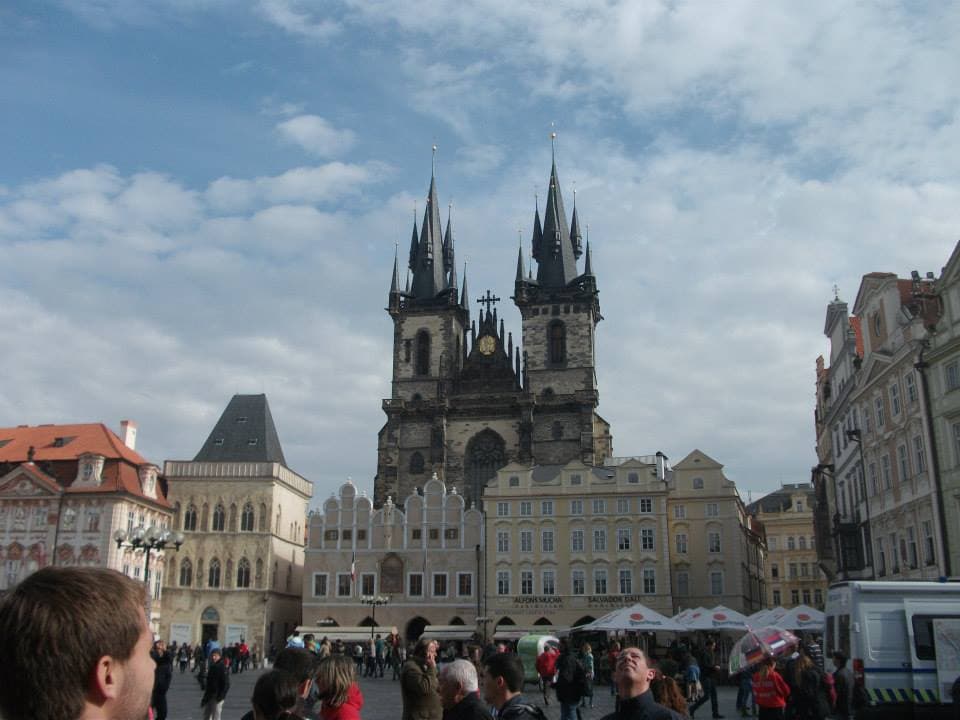
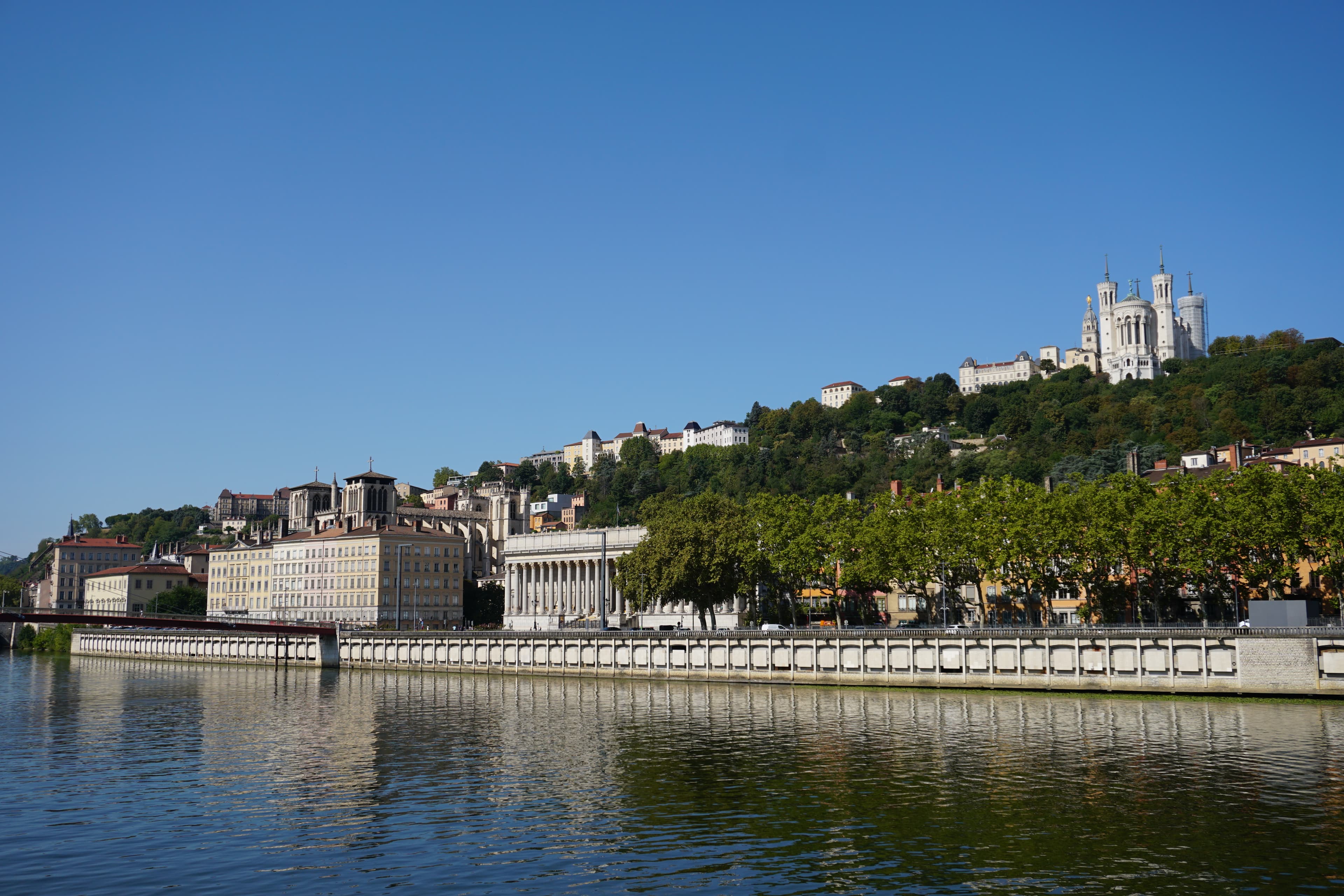
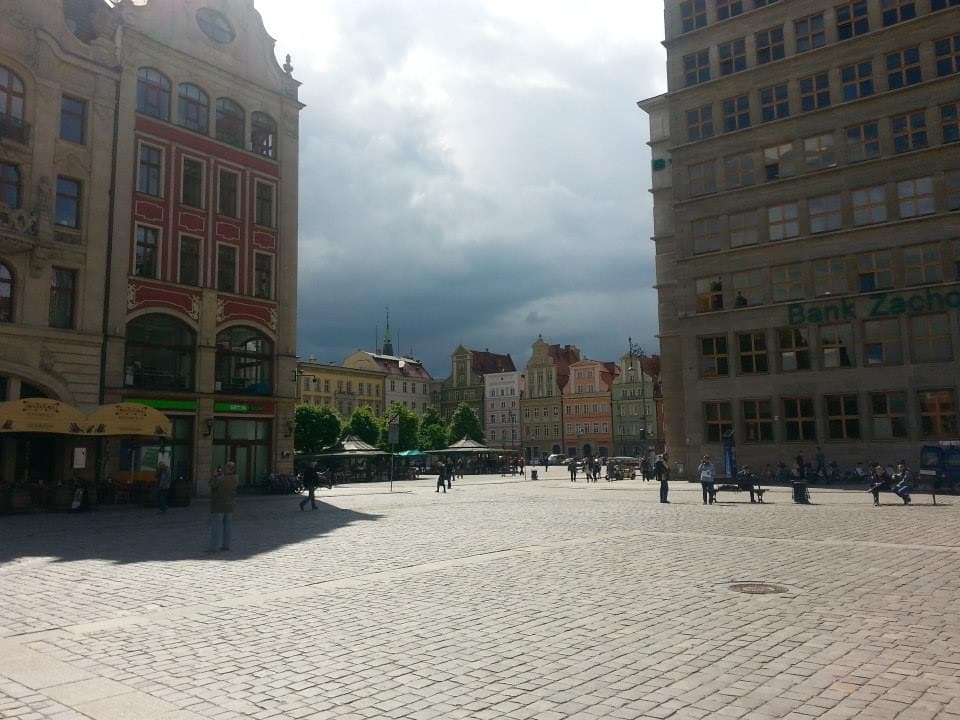
Scenes from Wrocław, Poland, captured on my trip.
In the summer of 2014 I was living in Bamberg, and a ride home from Kraków fell through at the last minute. A stranger offered to take my friend and me partway and drop us in a city neither of us had planned to visit. That city was Wrocław, and it became one of my favorite places in Europe. Almost nobody I knew back home had heard of it.
Here is what most travelers miss about Poland's fourth-largest city.
The Square
Wrocław's Rynek is one of the largest medieval market squares in Europe, 213 by 178 meters, and the second-largest in Poland after Kraków's. I had just come from Kraków, so I clocked the scale immediately. What I did not expect: almost every colorful townhouse ringing the square is a reconstruction. The Old Town was largely flattened in 1945 and rebuilt from the rubble, facade by facade.
The City That Used to Be German
For most of its history this was not a Polish city. It was Breslau, German, until the end of World War II. In 1945 the Nazis declared it Festung Breslau, a fortress city, and it became one of the last German strongholds to surrender. More than half the historic center was destroyed in the siege. When the war ended the borders moved, the German population left, and Poles resettled and rebuilt the city from prewar plans and photographs. That is why the architecture runs through Gothic, Baroque, Prussian, and postwar reconstruction all at once.
The Dwarfs
Small bronze figures, 20 to 30 centimeters tall, are scattered across the city. By 2024 there were more than 800, and the count has since climbed past a thousand. Tourists hunt them with maps. But they started as protest. In the 1980s, under martial law, an underground movement called the Orange Alternative painted cartoon dwarfs over communist propaganda. You could not arrest a man for painting a dwarf without looking ridiculous, and that was the entire strategy. In 1988 roughly 10,000 people marched through Wrocław in orange gnome hats. The regime arrested them. The dwarfs outlasted the regime. The first bronze one went up in 2001 as a memorial, and the rest multiplied from there.
The Water
Wrocław is built across a dozen islands in the Odra River, stitched together by more than 100 bridges. Locals call it the Venice of Poland, and by bridge count it trails only a handful of European cities.
What I Drank
Under the Old Town Hall sits Piwnica Świdnicka, a restaurant that has operated since around 1275, one of the oldest in Europe. But the thing I remember most is the honey beer. Poland has a traditional style called miodowe, brewed or blended with real honey, closer to a braggot than to mead. It is some of the best beer I have ever had, and I have chased versions of it ever since.
Things to Do in Wrocław
Beyond the Rynek and the dwarf hunt, five things earn your time. Ostrów Tumski, the oldest corner of the city, was settled in the 10th century, and every evening a lamplighter in a black cape and top hat lights its 103 gas lamps by hand about 30 minutes after sunset — one of the last cities in Europe still doing it. The Panorama Racławicka is a 360-degree painting, 114 meters around and 15 meters tall, of the 1794 Battle of Racławice, finished in 1894 and viewed with narration from a central platform. Centennial Hall (Hala Stulecia), a UNESCO World Heritage Site designed by Max Berg, opened in 1913 with the largest reinforced-concrete dome in the world at the time; the Japanese Garden, Pergola, and multimedia fountain sit beside it. The Aula Leopoldina, the baroque assembly hall inside the University of Wrocław, is buried in frescoes and stucco. And the tower of St. Elizabeth's Church is climbable for the widest view over the Old Town.
How Many Days Do You Need in Wrocław?
Two to three days covers it comfortably. Day one is the Rynek, dwarf-hunting, St. Elizabeth's tower, and the Aula Leopoldina. Day two is the Centennial Hall and Japanese Garden, then Ostrów Tumski at dusk for the lamplighter. Day three is the Panorama Racławicka at a slower pace, or a river cruise. Add a fourth or fifth day for a day trip to Książ Castle.
What It Costs
Wrocław is cheap by Western European standards, and the milk bars make it cheaper still. Figures below are 2026, in złoty with an approximate dollar amount at about 3.6 PLN to the dollar, a rate that drifts.
Milk-bar (bar mleczny) meal: 18–30 PLN (~$5–8)
Inexpensive restaurant meal: ~45 PLN (~$12)
Mid-range dinner for two: ~220 PLN (~$60)
Domestic draft beer: ~15 PLN (~$4), up to ~26 PLN for craft on the Rynek
Cappuccino: ~14 PLN (~$4)
24-hour tram pass: ~15 PLN (~$4)
Attraction tickets: Panorama Racławicka ~50 PLN, Aula Leopoldina ~15 PLN, St. Elizabeth's tower ~20 PLN, Centennial Hall interior ~15 PLN
Plan on roughly $50 a day on a budget, about $95 mid-range, and higher for luxury.
Where to Stay
Hotel Monopol: five-star landmark a few minutes from the Rynek, in a building that has anchored the city since 1892. The storied choice.
Hotel Altus Palace: five-star luxury inside a restored 19th-century palace at the edge of the Old Town, with a spa and one of the city's better restaurants. On the MICHELIN Guide list.
PURO Wrocław Stare Miasto: modern, minimalist, central, and well priced. The easy pick for a clean base within walking distance of everything.
These are affiliate links — booking through them supports Viator Modus at no extra cost to you. Same room, same price, it just helps keep the guides coming.
Tours Worth Booking in Wrocław
A few things are worth booking ahead, to skip the line or cover more ground than you could on foot.