Europe
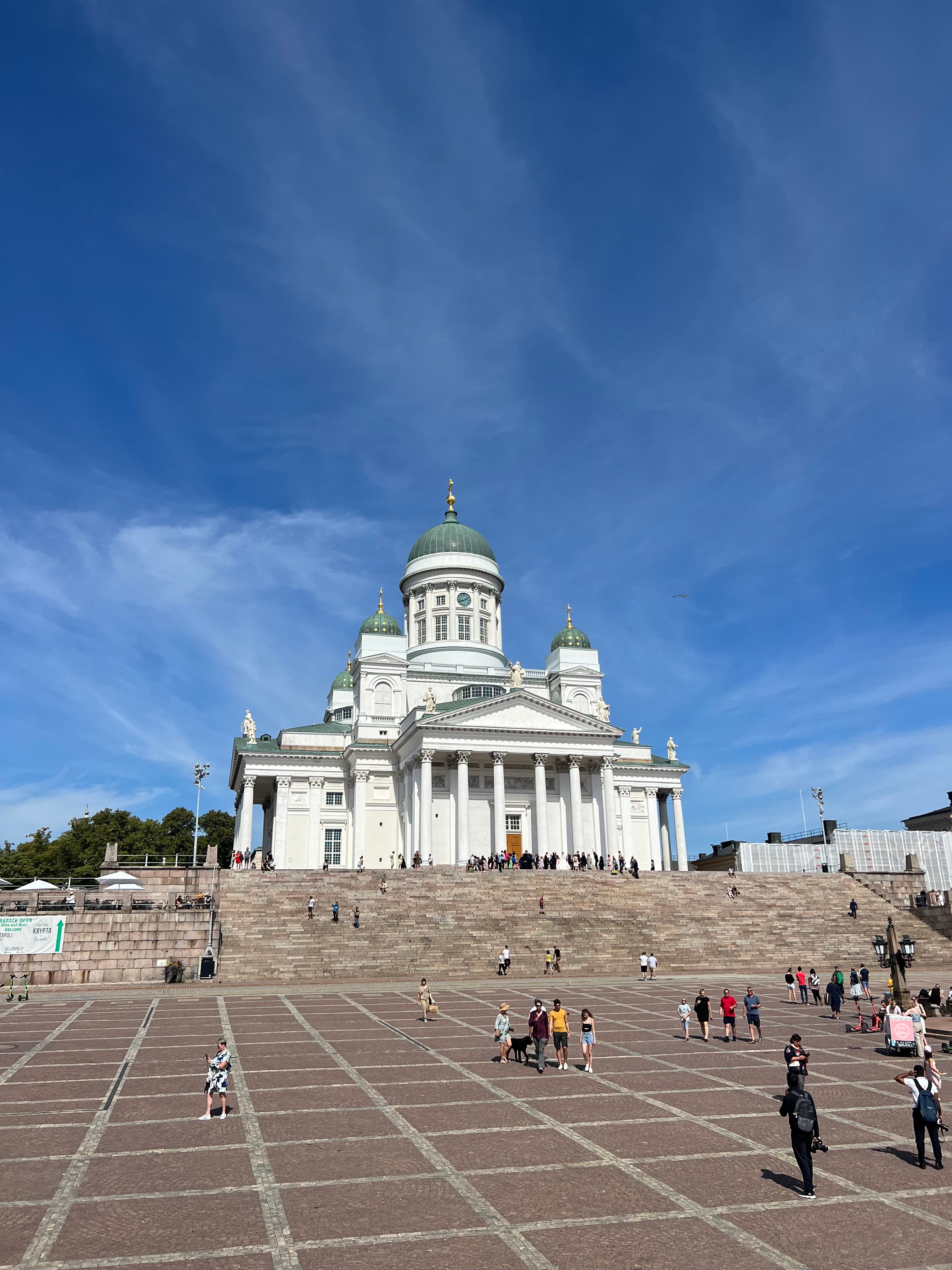
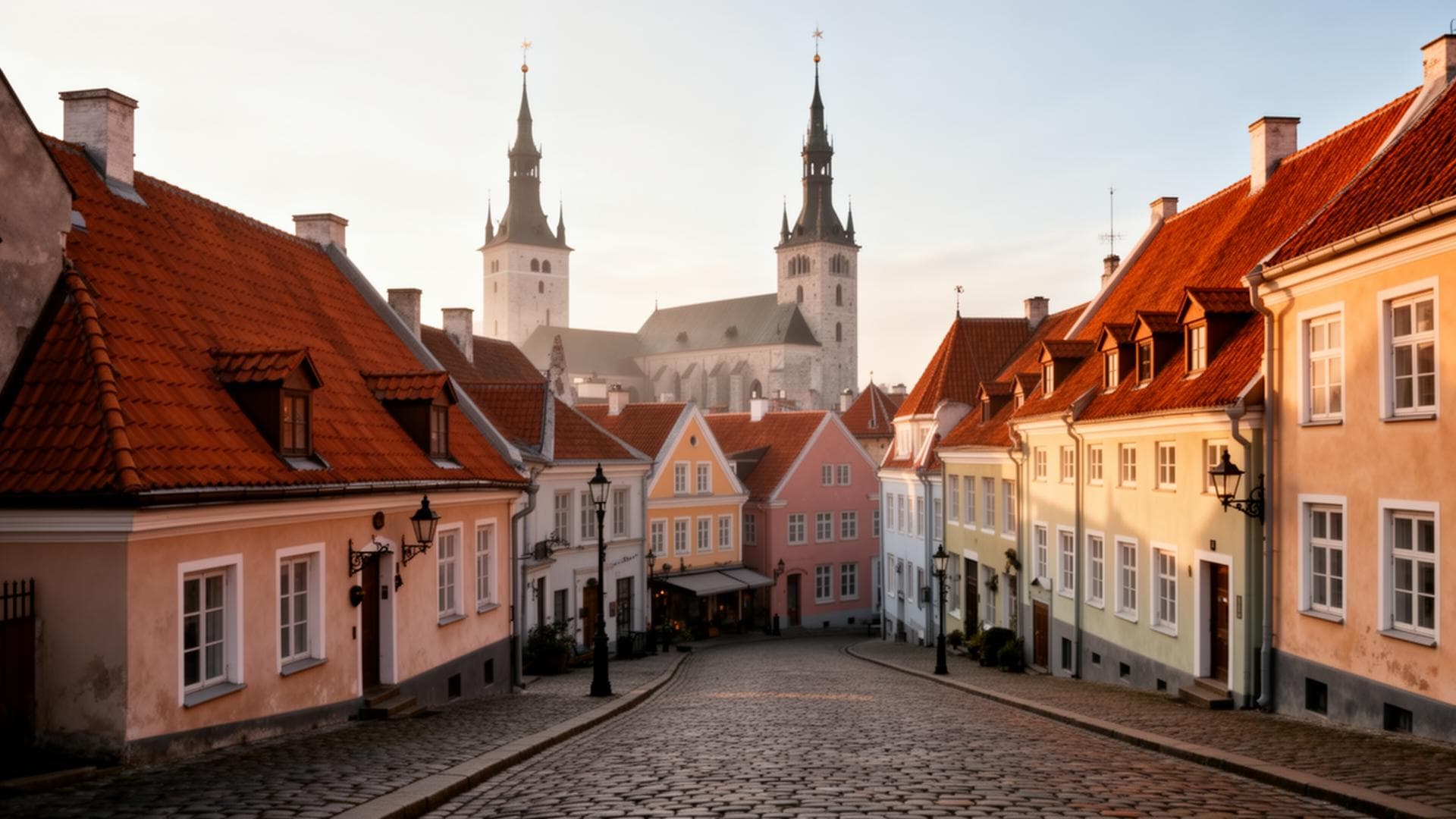
Tallinn is one of the best-preserved medieval cities in Northern Europe, a walled Hanseatic capital of red rooftops, Gothic spires, and cobbled lanes spilling down toward the Baltic. But Tallinn is also a city of sharp contrasts: a few minutes outside the old town, you find Soviet-era concrete, abandoned military infrastructure, and a digital-first society that has quietly become one of Europe's most forward-looking. I first came here back in 2013, when parts of the city's darker recent history were still very much accessible. That visit shaped how I see Tallinn today, as a place where the medieval, the Soviet, and the post-Soviet sit uneasily side by side.
Tallinn and the post-Soviet coast east of the city, captured on my trip.
Things to Do
Walk the walls of the old town, Toompea Hill for the postcard views over the lower town, the Town Hall Square for the medieval heart, and St. Olaf's Church for one of the best panoramas in the Baltics if you have the legs for the spiral. Wander the merchant houses on Pikk Street and step into the Great Guild Hall. The real story of Tallinn for me, though, is outside the walls. In 2013 I visited Patarei Prison, then still open as a raw, semi-abandoned museum, a tsarist-era sea fortress turned Soviet political prison, with cells, interrogation rooms, and the gallows left almost exactly as they were when the prison closed in 2004. Walking those corridors was one of the heaviest experiences I have ever had in Europe; you could still feel the weight of what had happened there. Patarei has since been closed for redevelopment, with only limited exhibitions accessible, but the Vabamu Museum of Occupations and Freedom in the city center now carries much of that same story. From Patarei, I also made my way out to the old Soviet submarine base at Hara, about an hour east of Tallinn on the northern coast. It is an extraordinary place: a half-sunken concrete demagnetization facility jutting into the bay, used during the Cold War to strip submarines of their magnetic signature before they slipped into the Baltic. Nature is slowly reclaiming it, and on a grey day it is one of the most cinematic post-Soviet ruins you will find anywhere.
From Hara, my guide kept pushing east into the forest, chasing rumors of an abandoned Soviet missile site. We went looking, and we found it: concrete ruins half-reclaimed by the forest, with nothing left to say what it had been. I never wrote down its name, designation, or era, so I won't invent one. It was out there, abandoned, and tracking it down was the strangest hour of the trip.
Beyond the heavy history, do not miss the Telliskivi Creative City for design shops, street art, and the Balti Jaama Turg market, and take the ferry to Helsinki for a quick Nordic contrast.
Tallinn has one of the best old towns in all of Europe, in my opinion. It was my first stop before I studied abroad in Germany for a year. Despite my positive memories of the city, it was also the only place in my travels (knock on wood) where I got robbed. To reach Finland I took that ferry to Helsinki, which is hugely popular: it feels more like a cruise ship than a ferry, with many Finns making the trip over to Estonia to pick up cheap booze.
Best Time to Visit
May through September is the obvious window, with long daylight hours and outdoor cafes spilling into the squares. June and July bring near-midnight light. December has its own magic if you can handle the cold. The Christmas market in Town Hall Square is one of the prettiest in Europe.
Where to Stay
Stay inside the old town walls if you can. Waking up to that medieval skyline is half the point. Just outside the walls, the Rotermann Quarter offers more modern, design-led hotels in converted industrial buildings, with easy access to the port and the creative neighborhoods.
Budget: Tallinn Backpackers, long-running, sociable hostel right inside the old town with private rooms and free walking tours.
Mid-range: Hotel Telegraaf, an Autograph Collection boutique in a former 19th-century telegraph station on a quiet old town lane.
Luxury: Hotel Schlössle, a restored merchant's house with antique-furnished rooms and a fireplace lounge a minute from Town Hall Square.
These are affiliate links — booking through them supports Viator Modus at no extra cost to you. Same room, same price, it just helps keep the guides coming.
Getting Around
Central Tallinn is small and entirely walkable, though the cobblestones are unforgiving on suitcases. Public transport (tram and bus) is free for registered residents and very cheap for visitors. Bolt, which was founded in Tallinn, is the dominant ride-hailing app and works flawlessly. For Hara submarine base and other coastal sites, you will need a rental car or a private driver, as public transport out there is limited.
Hidden Gems
The Linnahall, a brutalist Olympic-era concrete amphitheater on the waterfront, is officially closed but still a fascinating walk-around, especially at sunset. Kalamaja, the wooden-house neighborhood between the old town and Patarei, is where Tallinn's creative energy lives now. And if you have a half day to spare, the Estonian Open Air Museum at Rocca al Mare offers a beautiful, quiet counterpoint to all the urban history.
Found this useful?
If this guide helped plan your trip to Tallinn, you can help fund the next one.
Buy me a coffee →